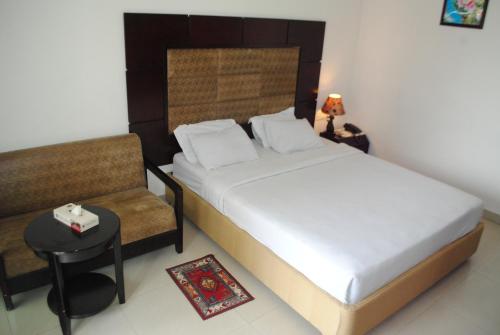
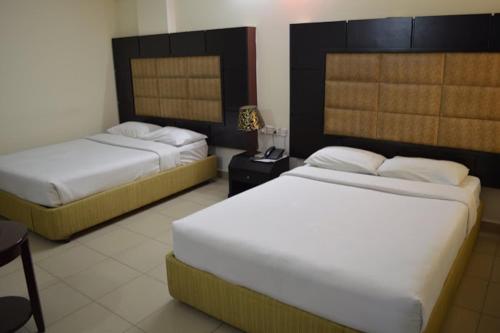
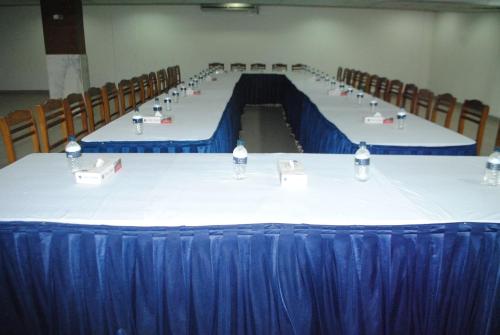
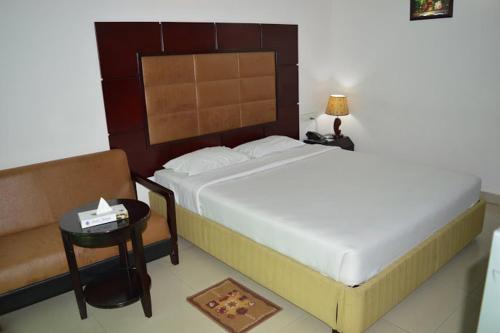
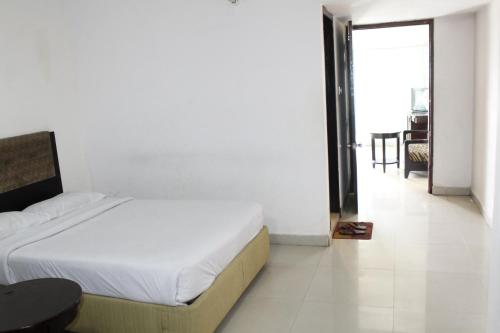
Hotel Mishuk
Looking for a straightforward base in Cox's Bazar? Hotel Mishuk in Laboni covers the essentials and sits near Cox's Bazar Beach.
From here, Cox's Bazar's main attractions — including Cox's Bazar Beach — are an easy walk or short ride away, so you spend less time in transit and more time exploring.
Rates shift with the season and with demand, so the live price on the booking page is always the one to trust — tap through for tonight's or your dates' real availability.
Key facts
What’s included
Cox's Bazar booking traps: sea views, Saint Martin's rules and the Ukhia mix-up
The most common mistake is buying a "sea view" in Kolatoli that turns out to be a slice of water between two towers. The hotel blocks nearest the Kolatoli beach entrance run several rows deep, and above the fourth floor a partial view is often the honest description — ask which direction the room faces and how many floors up it is before you pay the $15–$25 premium. The second trap is Ukhia: it appears in searches as a Cox's Bazar area and contains part of Inani beach, but its guesthouse rooms are largely taken by people working around the Kutupalong camps, and staying there puts you 35 km from the town's restaurants. The third is assuming the beach is swimmable on demand — the Sea Safe lifeguards patrol limited daylight hours on marked stretches at Laboni, Sugandha and Kolatoli only, and rip currents close the water regularly between June and September.
If Saint Martin's Island is the reason you are booking Teknaf, check the current season rules before you pay for anything. Since 2024 the government has capped visitor numbers and restricted overnight stays, with day trips only in some months and the island closed to tourists in February, and the Teknaf–Saint Martin's ships have not sailed on a fixed annual schedule. Kutubdia and Sonadia have the same problem in a smaller way: boats from Magnama Ghat in Pekua and from Ghatibhanga depend on tide and weather, so treat them as flexible days rather than fixed bookings. Finally, do not skip Moheshkhali because it looks like an afterthought — it is 30 minutes by speedboat from 6 No. Ghat and the quietest stretch of coastline you will reach in half a day.
Where to stay in Cox's Bazar: Kolatoli, Laboni, Sugandha or Marine Drive?
Most first-time visitors should stay in Kolatoli (also written Kalatali), the strip where the bulk of the town's mid-range and four-star stock sits, about 3–4 km from Cox's Bazar Airport and a short walk down to the beach entrance. Laboni Point, roughly 2 km north along the beach road, is the oldest and busiest access point, closest to the Burmese Market and the municipal market, with older hotels that run $10–$25 cheaper per night than equivalent rooms in Kolatoli. Sugandha Point sits between the two and is where the seafood stalls and fry shops cluster, which makes it good value if you want to eat out three times a day without a rickshaw. Jhilongja, the union holding both the airport and the Cox's Bazar Iconic Railway Station, has plain guesthouses near the station that suit late train arrivals but leave you 8–9 km from the sand. Nuniar Chor and the Bakkhali river side are inland, cheap and functional rather than scenic.
South of town the pattern changes completely: Himchari (18 km), Sonarpara (about 28 km) and Inani (32 km) are resort addresses strung along Marine Drive, quiet, low-rise and with almost no independent restaurants, so you eat where you sleep. Inani's boulder-strewn beach and the resorts around Jaliapalong, including the large Royal Tulip Sea Pearl complex, draw couples and weekenders who want distance from the Laboni crowds; Shamlapur, 45 km south, is a working fishing beach with very few rooms. Teknaf, 80 km south at the Naf river, is worth a night only if you have a boat or a border-view reason to be there, while Ramu (16 km east) offers a handful of small stays near the Buddhist kyangs and the 100-ft reclining Buddha. Ukhia is the area people book by mistake: its guesthouses are largely occupied by staff working around the Kutupalong camps, and it is not a beach base. Moheshkhali, Sonadia, Kutubdia and Dulahazara are day trips, not places to sleep.
Best time to visit Cox's Bazar: month by month, and what it does to rates
The best months are November to February, when the Bay of Bengal is calm, daytime temperatures sit around 26–29°C and nights drop to 17–19°C. That is also when rooms cost the most: a mid-range sea-facing double that goes for $35 in September will ask $80–$110 in late December, and the week from 25 December to 2 January is the single most expensive stretch of the year after Eid, with 31 December beach crowds in Laboni and Sugandha running into the tens of thousands. Victory Day on 16 December and Ekushey February on the 21st both create three-night domestic surges. March and April are hot and hazy at 33–35°C with rates falling 20–30%, apart from a two-day bump around Pohela Boishakh on 14 April.
Ramadan is the quiet season nobody plans for — hotels across Kolatoli and Inani discount hard, but the Eid-ul-Fitr week immediately after is the busiest and priciest period of the whole calendar, with rates two to three times normal and popular properties full four to six weeks ahead. May and October carry genuine cyclone risk in the Bay of Bengal, and the monsoon proper runs June to September, when Cox's Bazar can take 700–900 mm of rain in July alone and red flags keep swimmers out of the water for days at a time. If you can accept grey skies and a rough sea, monsoon discounts of 40–60% are standard and the Marine Drive scenery is at its most dramatic. Durga Puja in early or mid-October fills hotels for four or five nights before the low rates return.