The budget traveller’s compromise, and a good one
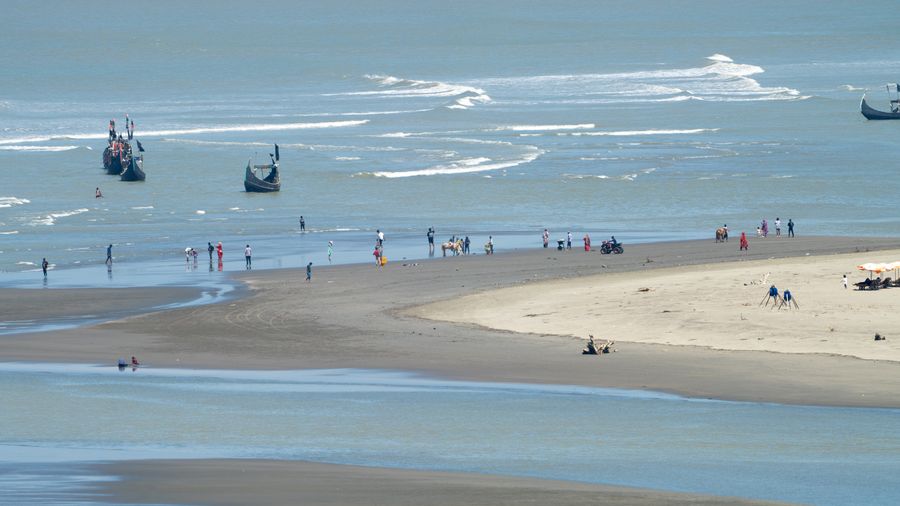
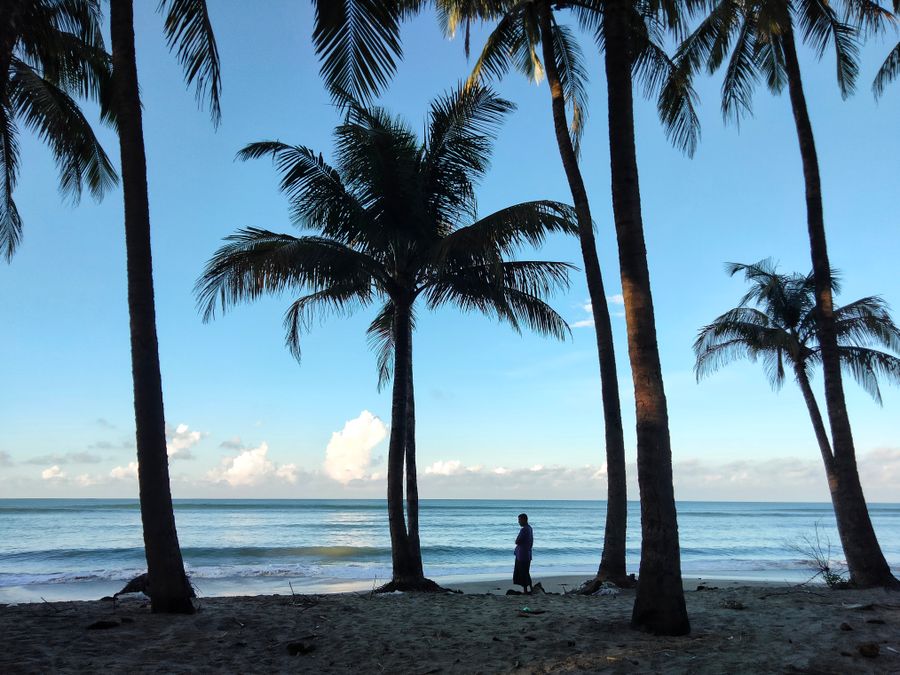
Sugandha is what Kolatoli was fifteen years ago — the same sand, a fraction of the noise, and rooms that run $5–10 cheaper for the same standard. The beach here is noticeably cleaner because far fewer people walk it, and sunrise is genuinely quiet.
The cost is convenience. There are only a handful of restaurants, the grills close earlier, and you will take a CNG for anything beyond breakfast. For a stay of three nights or more, most people decide that is a fair trade.
The arithmetic of staying north
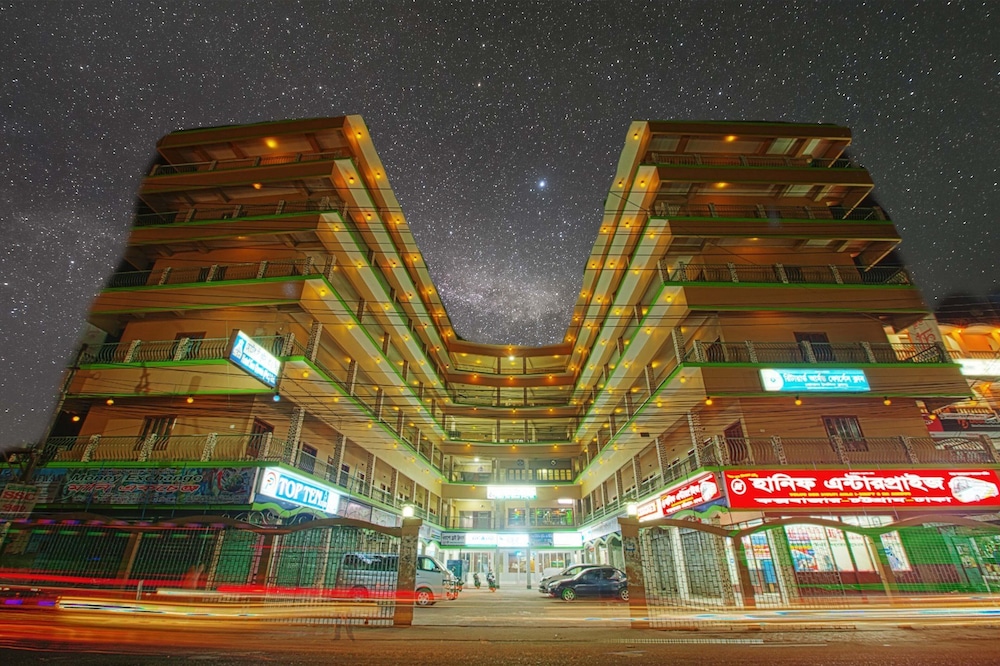
Sugandha sits between Laboni and Kolatoli on the map but behaves like neither. The beach entrance is narrower, the hawker density is perhaps a fifth of Laboni’s, and the hotels are a mix of mid-sized blocks and small guesthouses rather than a continuous beachfront wall. The sand itself is the same wide, grey-gold Cox’s Bazar beach — it is a single 120-kilometre strip, after all — but with a fraction of the footfall, which shows in how clean it is by mid-afternoon.
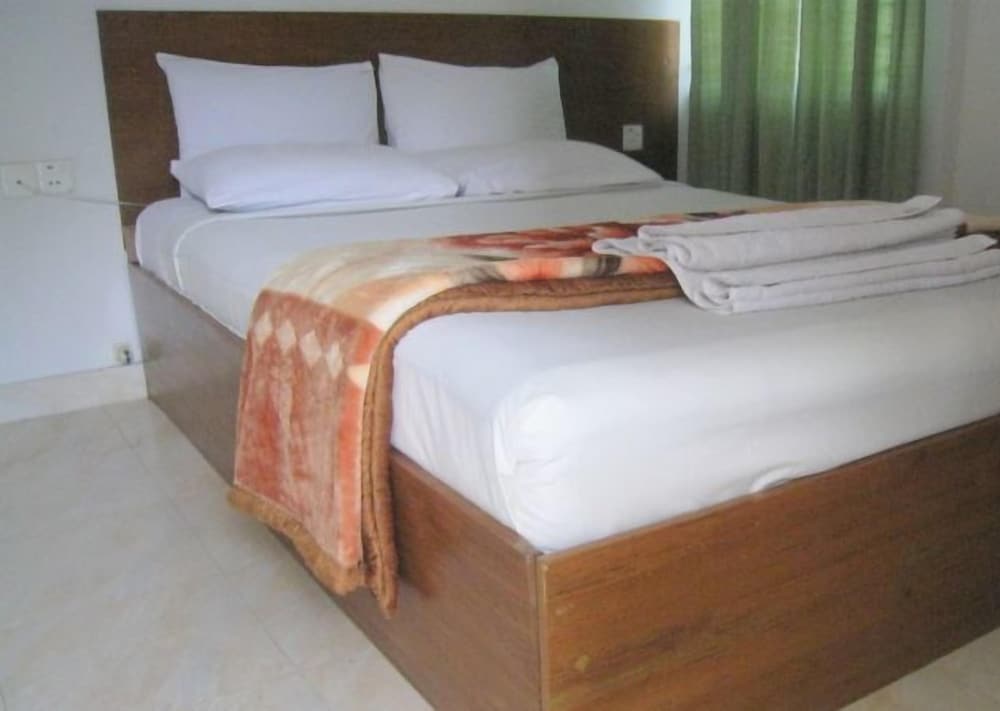
The saving is real and worth quantifying. A comparable air-conditioned double runs roughly $18 to $28 here against $25 to $45 on the Kolatoli strip, and the gap widens outside the November to February peak because Sugandha’s owners discount harder to fill rooms. Over a five-night stay that is often the price of the whole Marine Drive day trip.
What you pay for it is walking. There is no strip of restaurants, the two or three local kitchens close early, and after about nine in the evening the area is genuinely quiet. Budget 50 to 100 taka each way for CNGs to Kolatoli for dinner, or accept that your hotel kitchen becomes your default.
A morning routine that makes this area worth it
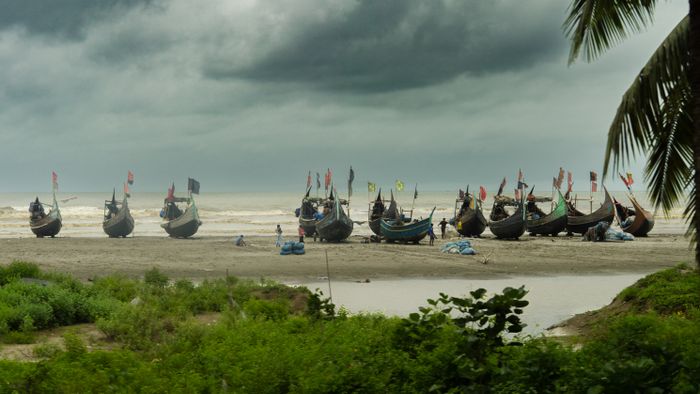
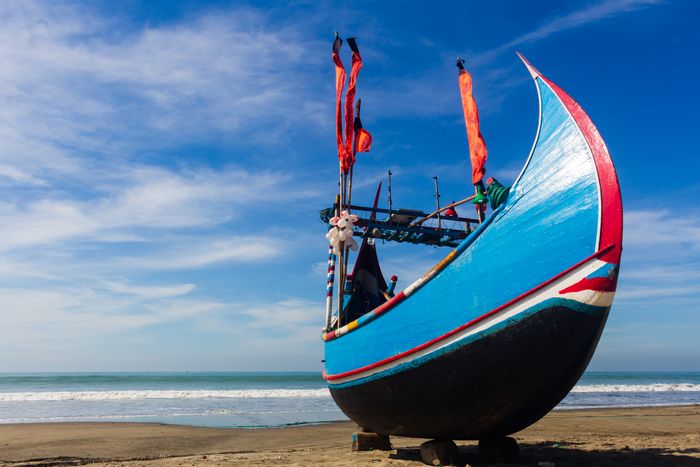
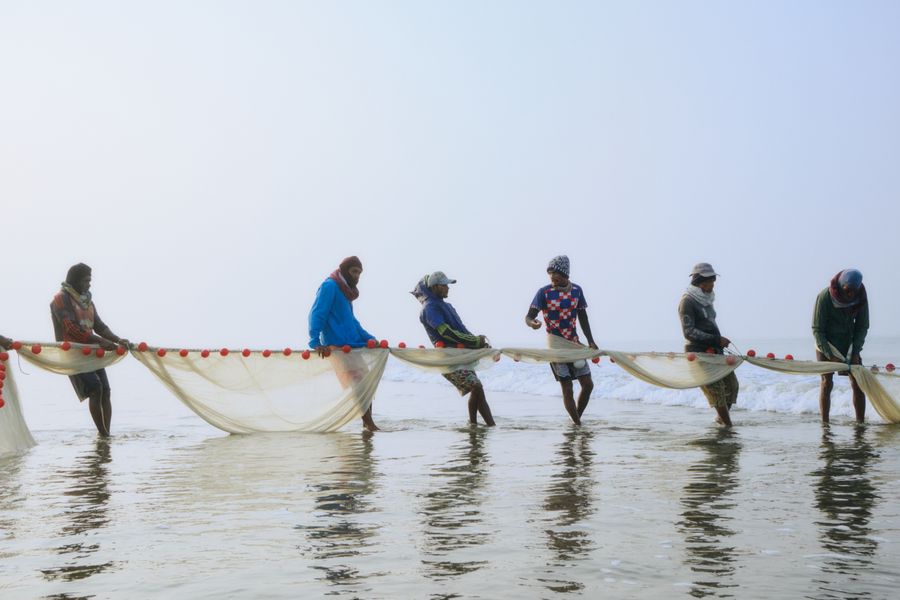
The argument for Sugandha is the first two hours of the day. The fishing boats come in along this stretch, the tide leaves a clean sheet of sand, and there are no horses, no photographers and almost no people. Walking north towards Laboni at dawn you will pass net crews hauling in, crabs working the wet sand, and kites going up before the heat arrives — and you will have it more or less to yourself, which is not a sentence that can be written about any other part of the main beach.
Sunset is the reverse: the light is identical to Kolatoli’s because it is the same horizon, but the crowd is a tenth of the size. If photographs of an empty beach in good light are on your list, this is the cheapest place on the coast to get them.
Eating and getting around without a strip
Plan food deliberately here. The handful of local places behind the hotels do rice-and-curry meals for 150 to 300 taka and close by nine; hotel kitchens will cook to order but charge two to three times that. A five-minute CNG ride puts you in the middle of Kolatoli’s restaurants, and most people make that trip once a day rather than eating in.
Stock up rather than improvise: the small shops along the main road behind the hotels sell water, biscuits, fruit and instant noodles at normal prices, and having water and snacks in the room removes the need to go out at awkward hours. A 1.5-litre bottle should cost 35 to 40 taka; anything much more than that is a tourist price.
CNGs pass on the main road constantly during the day but thin out late. If you are coming back from Kolatoli after ten, expect to pay double and to wait, or take the driver’s number when he drops you off in the evening and call him for the return.
Who this area is actually right for
Sugandha rewards a particular kind of trip: three nights or more, a moderate budget, an early riser, and someone who is here for the sea rather than the scene. It is a poor choice for a single night, for a first-timer who wants everything within sight, and for anyone who plans to be out after ten. It is an excellent choice for a couple, a solo traveller, or a photographer.
If you are unsure, split the stay. One night on the Kolatoli strip tells you whether you want the noise; the remaining nights up here cost less and sleep better.
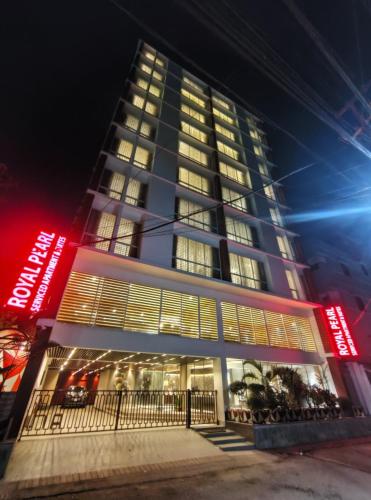
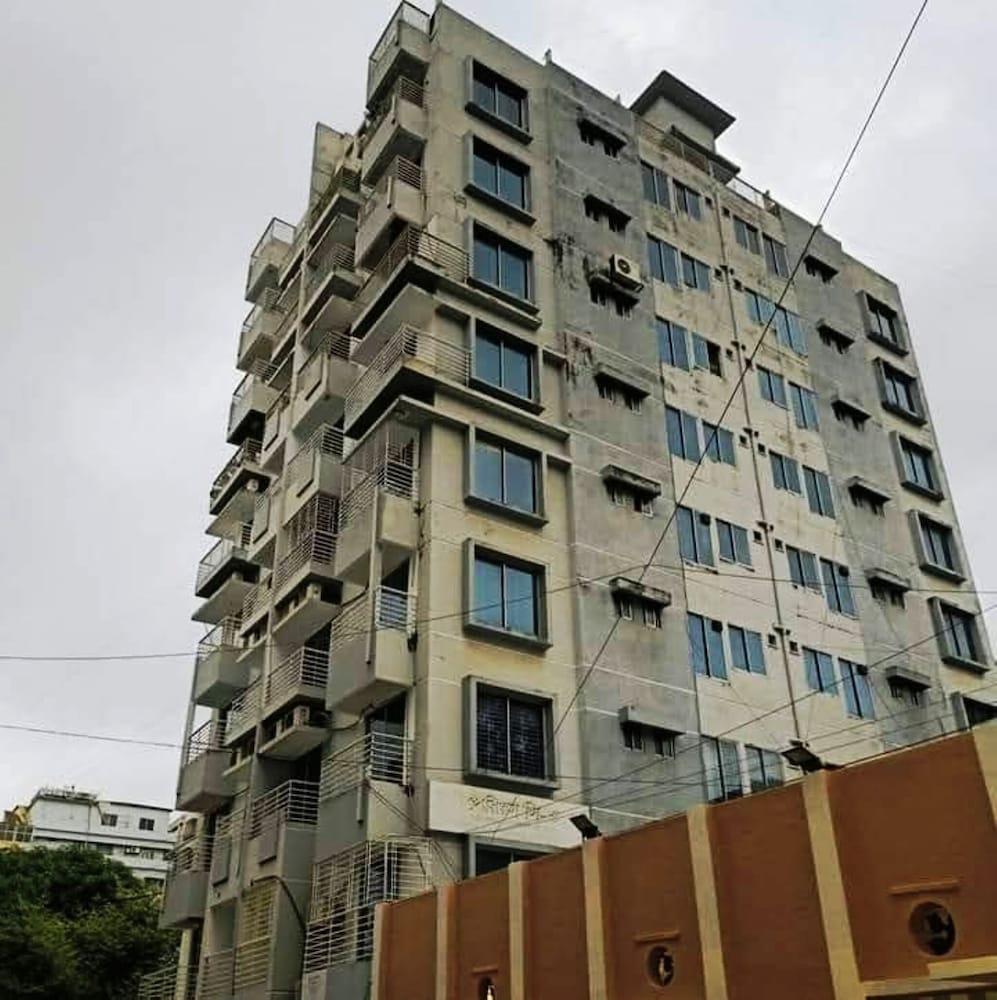
Hotels in Sugandha
Live prices, re-checked this morning. Tap through for room types and cancellation terms.
Getting here and around
Sugandha in pictures
Questions about Sugandha
How much cheaper is Sugandha?+
Doubles typically run $18–28 against $25–45 in Kolatoli for a comparable room, and the gap widens outside peak season.
Is there anywhere to eat?+
A handful of local places and a few hotel kitchens. For choice, take a five-minute CNG to Kolatoli — most people do this at least once a day.
Is the beach cleaner here?+
Noticeably, yes — simply because the footfall is a fraction of Laboni or Kolatoli.