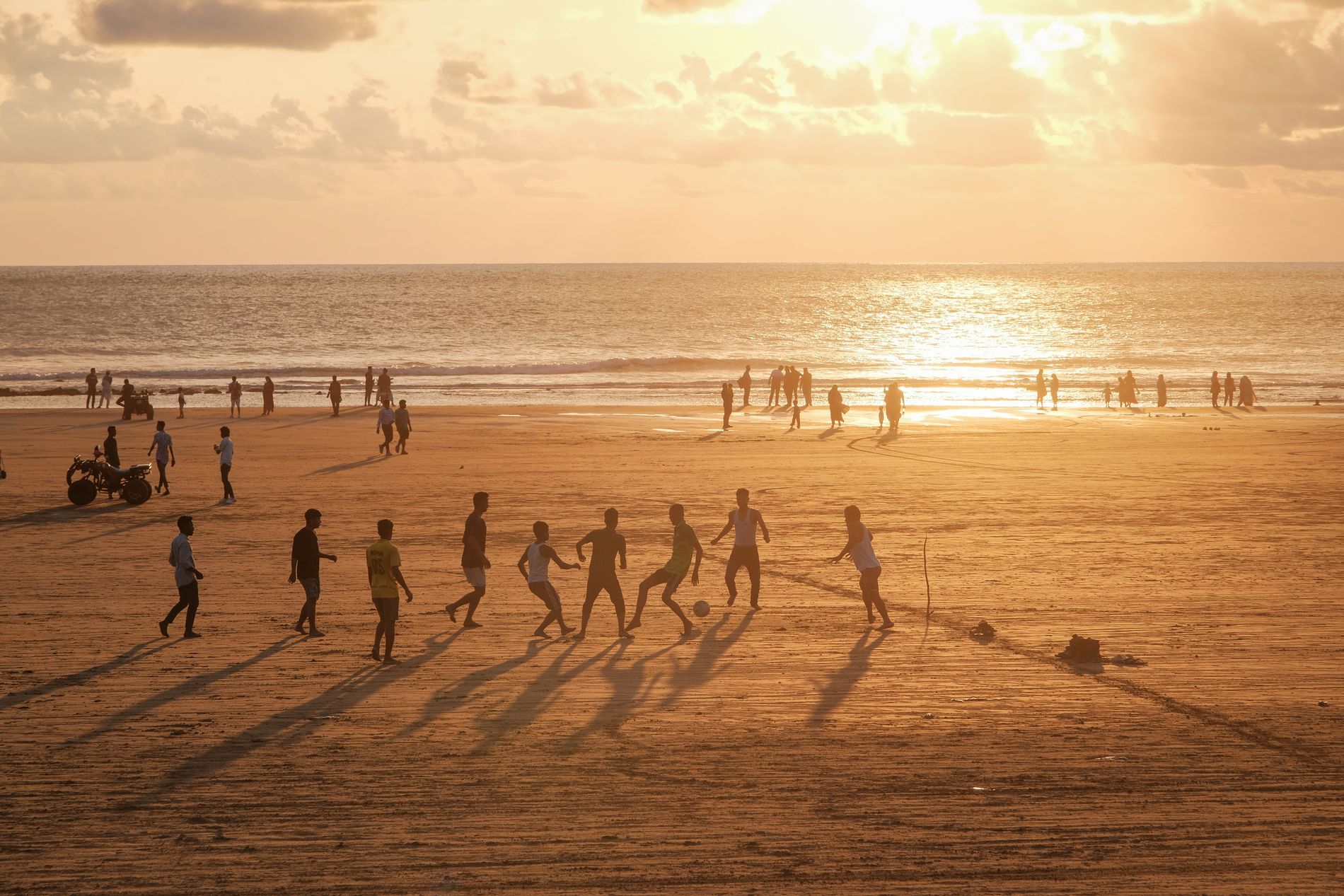
Pick the part of the coast you came for
Each guide covers what it costs, when to go, how to get there and which area to sleep in — written from the ground, not from a brochure.
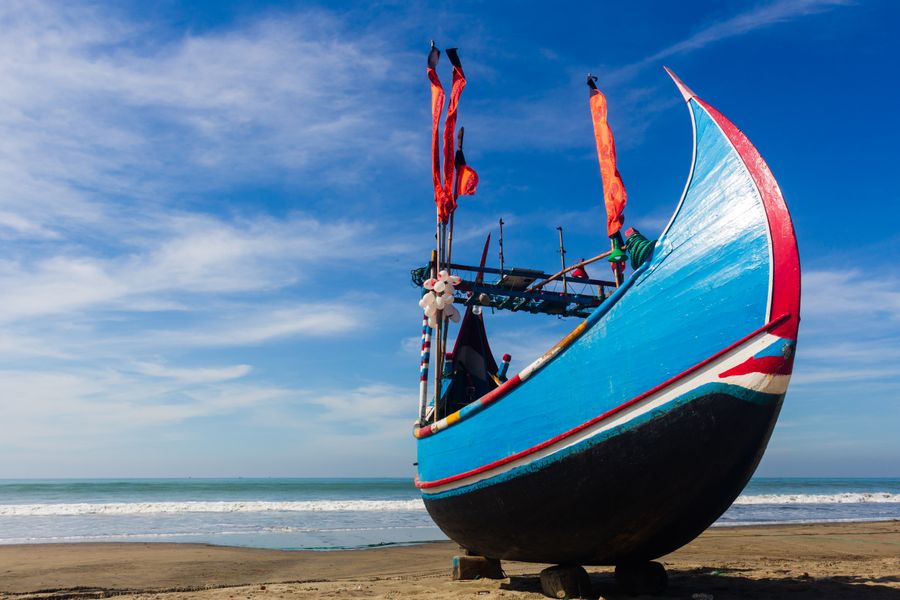
If you only do six things on this coast
In the order we would do them on a four-night trip, with the time of day that actually matters.
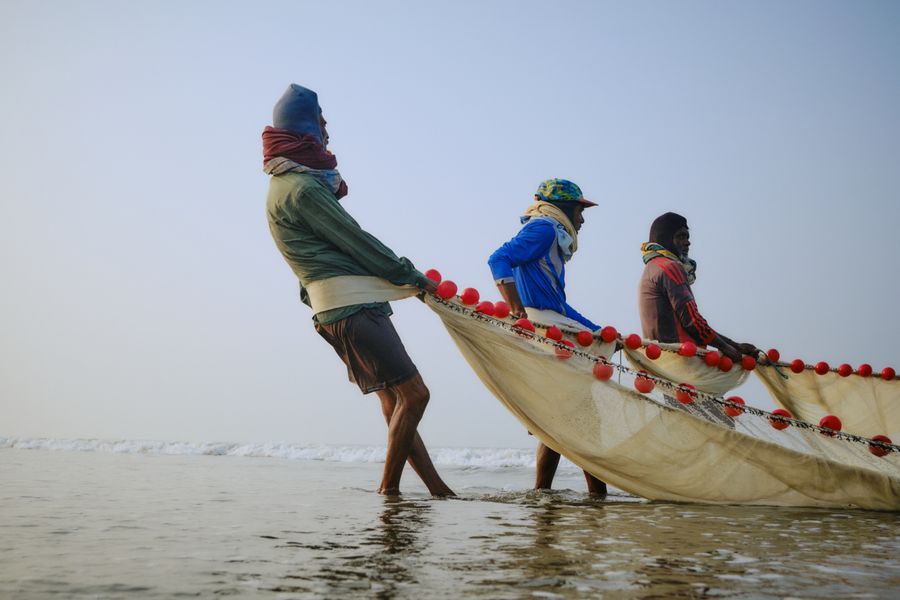
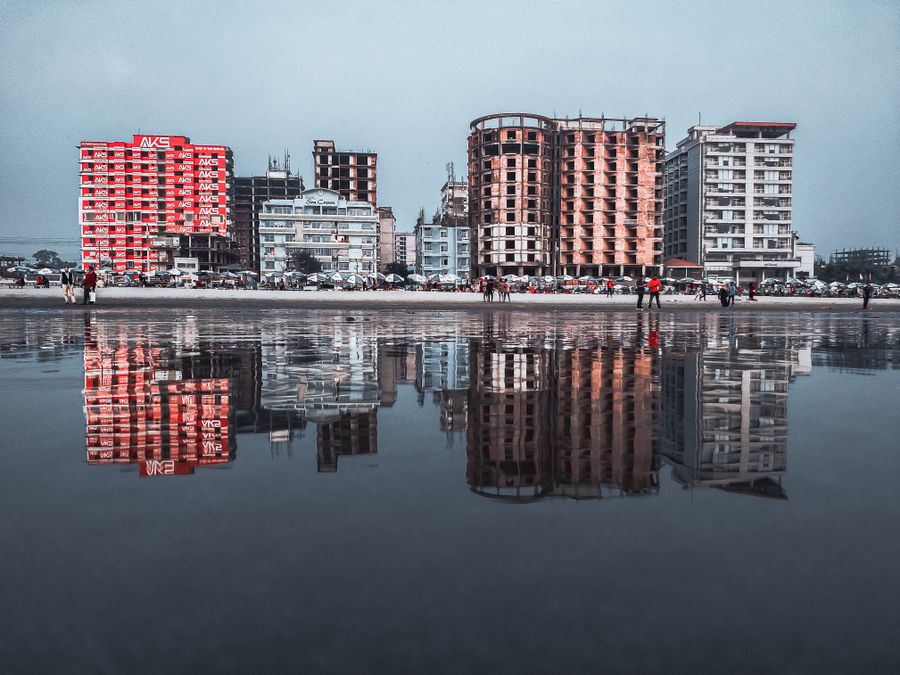
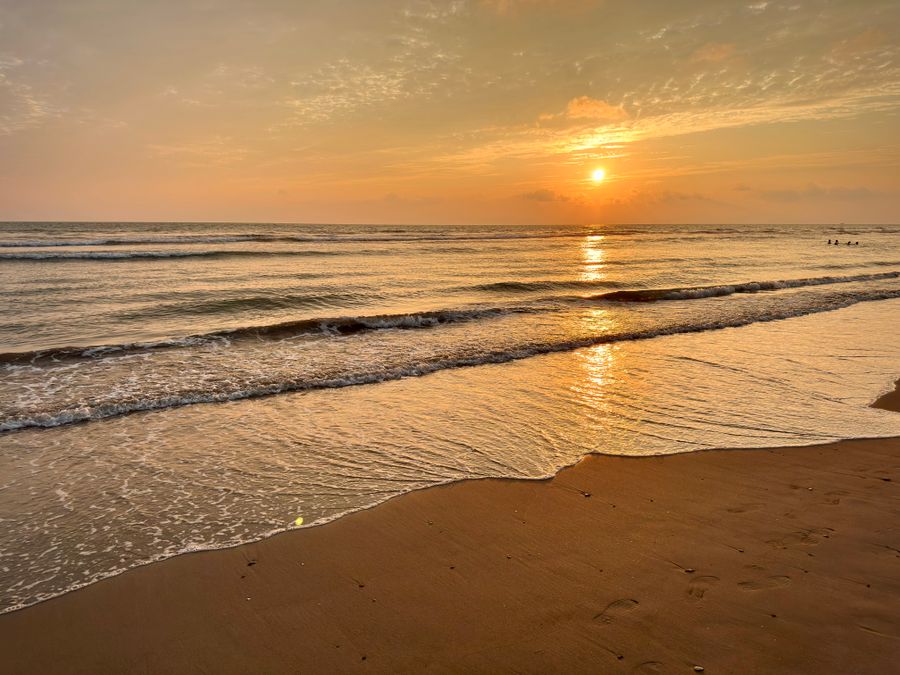
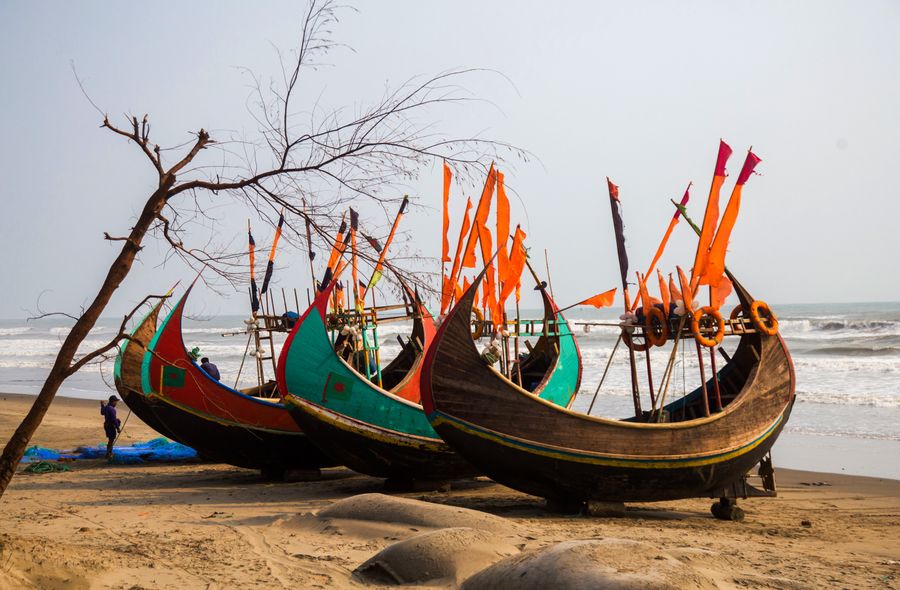
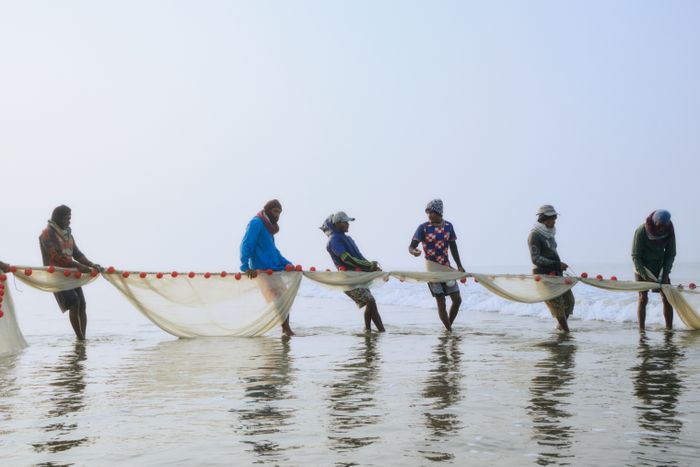
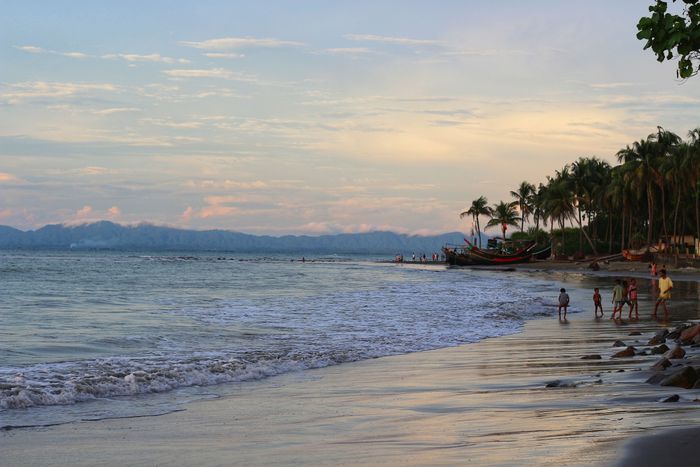
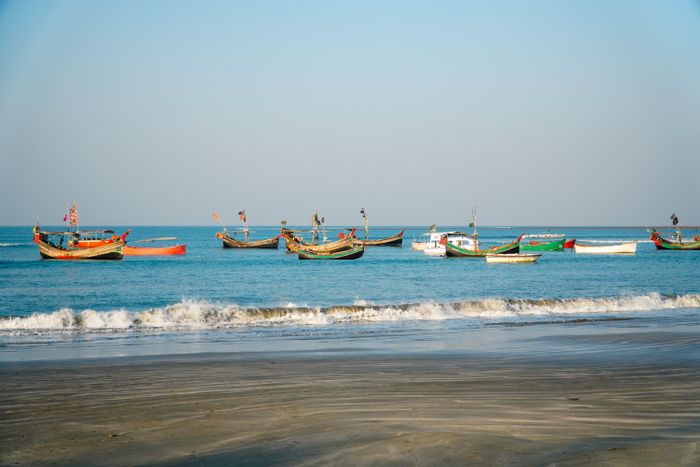
Everyone photographs the sunset. The hour after dawn is when the fleet lands, the tide has raked the beach flat and the strip is empty — walk north from Sugandha and you will pass net crews and almost nobody else.
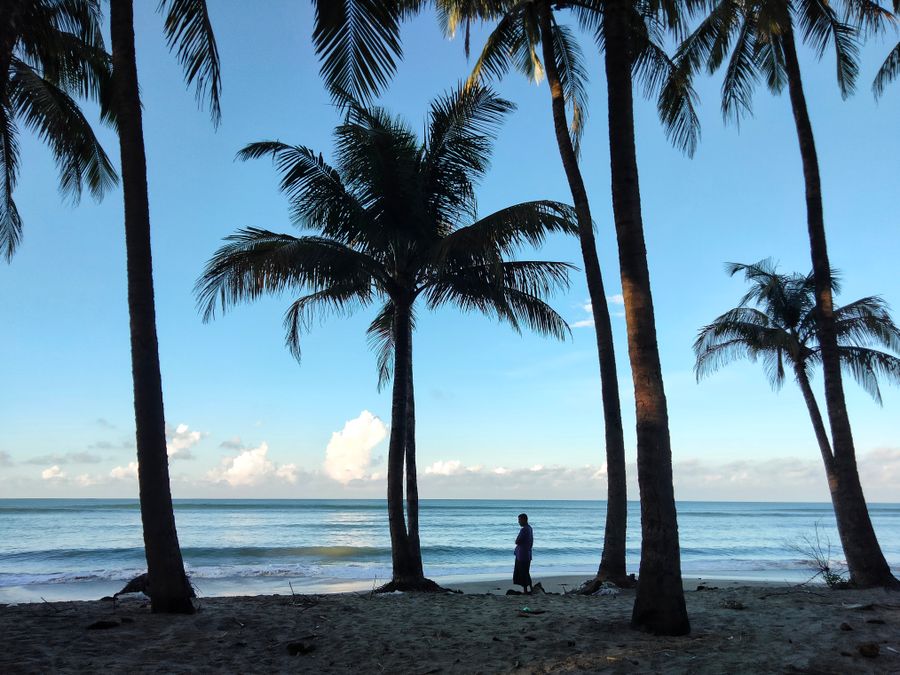
Eighty kilometres of sea on one side and hills on the other. Stop at the Himchari viewpoint, then reach Inani’s coral stones before the day-trip buses at eleven. Motorbike if you are confident, car and driver if not.
The same rupchanda that costs 800 taka on Hotel Road costs 400 in the New Beach Road lanes. Agree the weight and the price before it goes on the charcoal — that single habit saves more than any discount code.
A thirty-minute boat from the town jetty, then a stepped path up through the stalls to the shrine, with salt pans and the channel spread out below. Confirm the last boat back before you climb.
Forest, macaques, a viewpoint over the whole bay and a waterfall that is only worth the walk between July and September. Go on a weekday; Fridays it belongs to half of Chittagong.
Rakhine handloom, lacquerware, blankets and bamboo, ten minutes inland from Laboni. Opening prices run about double; halve the first number, be pleasant, and walk away once.
Local prices, before anyone doubles them
Almost everything here is negotiated rather than priced. These are the rates locals pay, in taka and in dollars at roughly 120 to the dollar — knowing them is the difference between a good day and a fleeced one.
What is worth doing, month by month
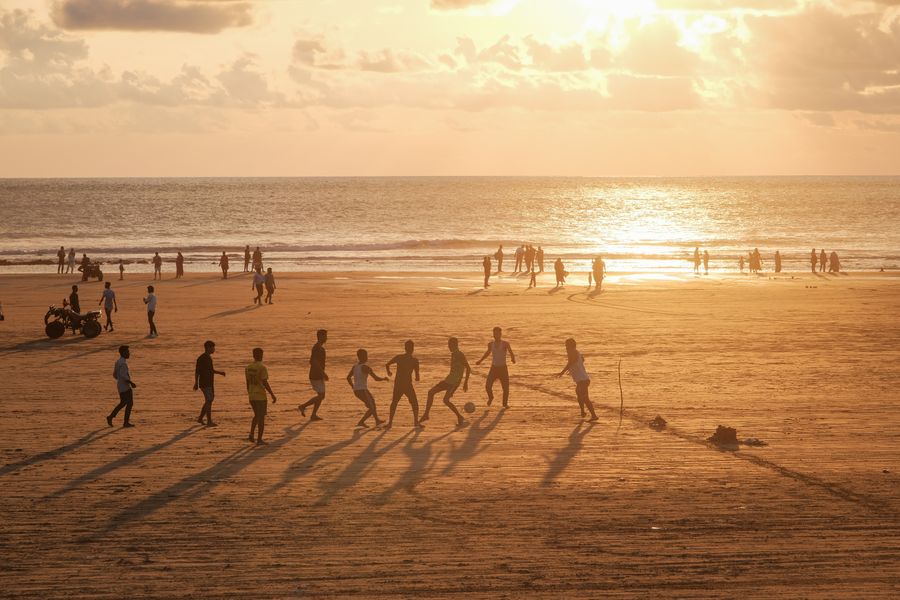
Dry, 22 to 30°C, flat sea and the clearest water of the year. Everything on this page is at its best and everything costs 30 to 50% more; December, January and Eid weeks need booking weeks ahead. The St Martin’s ferry runs, the islands are calm, and the beach on a Friday is a spectacle in its own right.
Temperatures push into the mid-thirties and the humidity arrives with them. Beaches and the coast road are still fine before ten and after four; the Himchari waterfall dries to stone, and midday walking in Ramu or the safari park is heavy going. Rooms fall 20 to 30% and the strip is noticeably quieter.
Long warm downpours, a swell that kills swimmers every year, and cancelled boats. This is also the only time the waterfall actually falls, the hills are at their greenest, and the coast is entirely yours at the lowest rates of the year. Plan indoor slack into every day and do not swim.
The rain eases, the air is washed clean, the sea settles and the crowds have not come back. Prices sit near their monsoon floor for the first half of the month. If you can only take one week off, this is the one we would take.
Both Eids and the national holidays bring enormous domestic surges: rooms double, the beach at Laboni fills wall to wall, and buses sell out days ahead. It is genuinely worth seeing once. If you want a quiet trip, check the dates before you book anything.
The coast, from Laboni to the Naf
What people ask before they come
What is Cox’s Bazar actually famous for?+
A single unbroken beach of roughly 120 kilometres — usually described as the world’s longest natural sea beach — running from the town south past Himchari and Inani towards Teknaf. The sand is the draw; the waterfall, the monastery valley at Ramu, the islands and the Marine Drive are what fill the rest of a trip.
How many days do you need?+
Two nights covers the main beach and one excursion. Four is the sweet spot: two beach days, a full Marine Drive day to Inani or Teknaf, and a morning at Ramu or Moheshkhali. A week lets you add the islands and a night in the hills without rushing anything.
Is it safe to swim?+
With care and only in the flagged sections. This is open Bay of Bengal with a strong longshore current, very limited lifeguard cover and drownings every year. Stay shallow, keep your feet on the bottom, respect red flags, and stay out of the water entirely during the June to September swell.
Can you drink alcohol in Cox’s Bazar?+
Barely. Bangladesh is effectively dry for visitors; only a small number of licensed hotel bars serve beer or spirits, at several times the price you would expect. Evenings here run on lime soda, green coconuts, tea and grilled fish.
What should I wear on the beach?+
Conservatively. Bangladeshi women swim fully clothed, and foreign visitors in swimwear draw sustained attention and phone cameras. Shorts and a t-shirt for men and loose long clothing for women make for a far easier day, and a sarong over a swimsuit solves most of it.
Do I need a car?+
Not for the beach areas — CNG auto-rickshaws cover every short hop for a dollar or less. You want a car or a motorbike for the Marine Drive, Himchari, Inani and Teknaf, and a car makes Ramu and the safari park considerably easier with children.
Is Cox’s Bazar expensive?+
No. A clean air-conditioned double runs $18–45 outside peak season, a full seafood dinner $3–5, and a day’s transport under $10 unless you hire a car. The two things that cost real money are peak-season rooms and a driver for the day.
Can tourists visit the Rohingya camps?+
No. The camps around Ukhia and Teknaf are permit-controlled and closed to visitors; access is limited to accredited aid workers and journalists. Drive through the area and spend the day at Inani or Teknaf instead.
Everything on this page works from a room on the strip.
Kolatoli and Sugandha put you within an hour of Himchari, Inani, Ramu and the ferry jetty. Doubles from $32.