Loud, convenient, and the easiest place to book badly
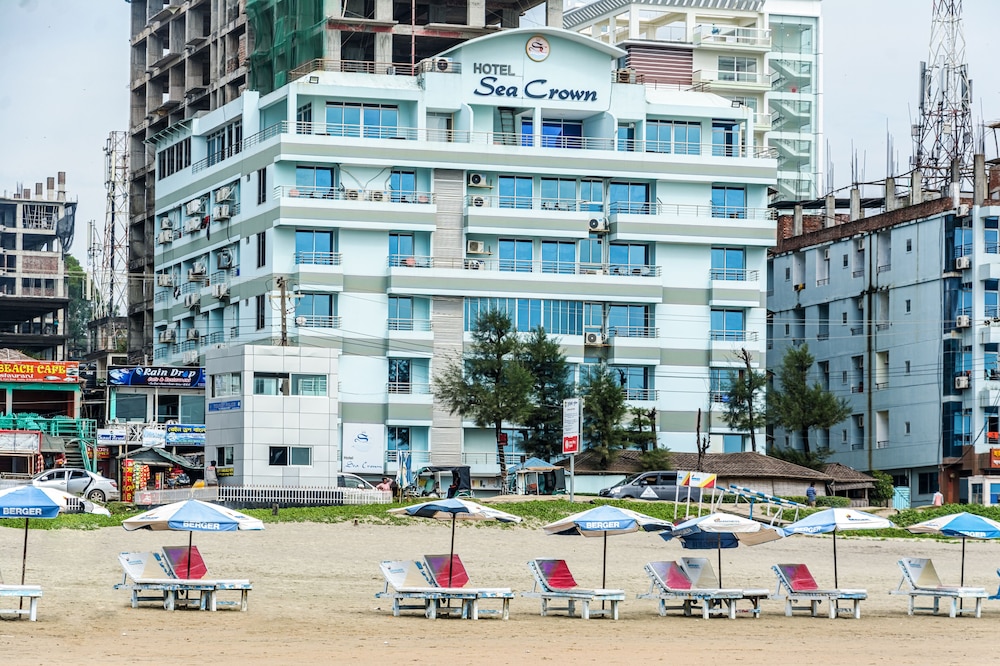
Kolatoli is where the beach road turns into a wall of hotels. It sits two kilometres south of the town centre, which in practice means everything a visitor wants — grills, rental bikes, CNG stands, pharmacies, the sand itself — is within a ten-minute walk. That convenience is why most first trips end up here, and why rooms cost a few dollars more than in Sugandha, ten minutes north.
The trade is noise. Beach-side sound systems run late, the strip is lit like a fairground, and the sand directly in front of the hotels is the busiest in Bangladesh on a Friday. Walk fifteen minutes south and it thins out completely; walk five minutes inland and prices drop by about a third.
Book a room facing away from the beach road if you sleep lightly. The sea view is worth less than you think at 1am, and hotel descriptions here oversell the reality by roughly 30%.
The strip, street by street
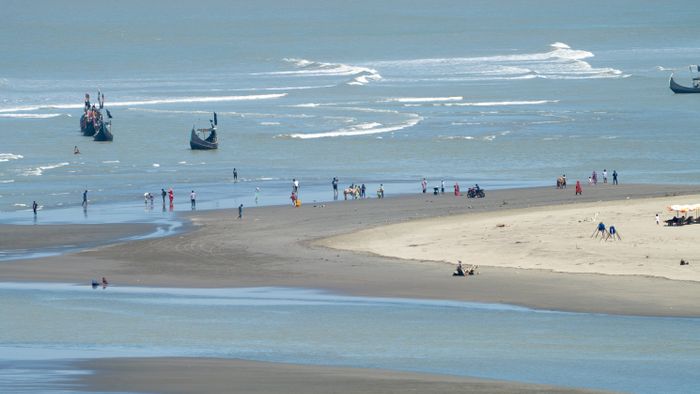
Kolatoli is really three parallel lines. Closest to the water is the beach walkway, where the hawkers, horse handlers and photographers work and where the sand is at its widest at low tide. Behind it runs Hotel Moti Mahal Road — usually just called Hotel Road — which carries the tourist-priced restaurants, the souvenir shops, the tour desks selling St Martin’s and Marine Drive trips, and the largest share of the beachfront hotels. One block further inland is New Beach Road and the lanes off it, where the buildings get plainer, the kitchens get better value and the room rates drop sharply.
That geography is the single most useful thing to know before booking. A room on the beach side of Hotel Road costs a premium for a partial sea view and inherits the noise of the strip; the same standard of room two hundred metres inland costs a third less and is quiet by eleven. Anything described as a beach view more than three buildings back is almost certainly showing you a rooftop view over other hotels.
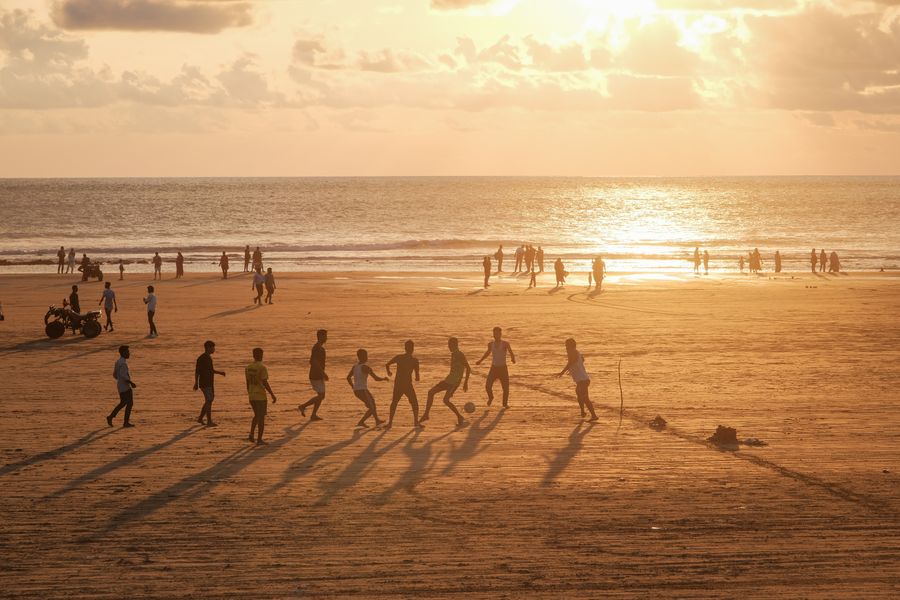
The junction at the southern end of the strip, where the road bends towards Himchari, is where the CNG drivers cluster and where the day-trip prices are negotiated. It is also the point at which the crowds thin: fifteen minutes walk south along the sand puts you on an almost empty beach, still within sight of your hotel.
Where to eat, and what it should cost
Seafood here is sold twice: once at the tourist price on the beachfront, and once at the local price a block inland. On Hotel Road, a grilled rupchanda (pomfret) with rice and dal typically lands between 600 and 900 taka. Walk to the New Beach Road lanes and the same fish, cooked over the same charcoal, runs 350 to 500. Coral fish, lobster and tiger prawns are priced by weight at the display counters — always agree the weight and the price before it goes on the grill, as this is where visitors are most reliably overcharged.
Breakfast is cheap and good everywhere: paratha with dal and egg for under a dollar, or khichuri with beef on a wet morning. The tea stalls behind the strip serve the milk tea that fuels the whole town for a few taka, and the sweet shops near the New Beach Road junction do the best mishti in the area. Vegetarians manage comfortably — dal, bhorta, vegetable curries and fresh paratha are on every menu — but should say no fish explicitly, since fish is treated as a default rather than a meat.
Alcohol is not part of the picture. Bangladesh is a dry country in practice, and only a small number of licensed hotel bars in Cox’s Bazar serve beer or spirits, at prices several times what you would expect. Evenings on the strip run on fresh lime soda, green coconuts, ice cream and tea, and they run late.
Choosing a hotel on the Kolatoli strip
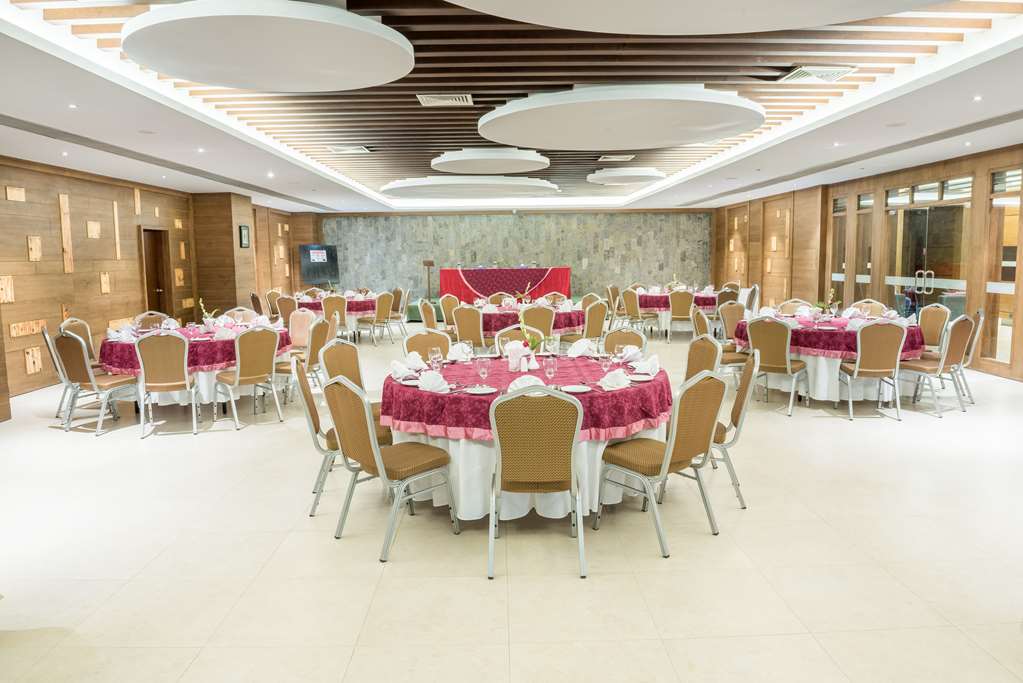
There are close to fifty properties tracked in this area alone, and the quality curve is steeper than the price curve. At the top, the international-branded and larger local hotels near the beach bend deliver reliable air conditioning, hot water, working lifts and a pool, for anywhere from $60 to $140 depending on season. In the middle, at $30 to $55, you get a clean, generously sized room, unreliable hot water and a breakfast buffet that is adequate rather than good. Below $25, expect a fan or a noisy window unit, cold showers, and a lobby that doubles as the manager’s office.
Three checks are worth making before you book. Ask which floor the room is on and whether the hotel has a working lift — six-storey walk-ups are common. Ask whether the rate includes breakfast, because the same room is often listed both ways at a $4 difference. And ask about generator cover: load-shedding still happens, and the difference between a hotel that runs air conditioning off its generator and one that runs only the corridor lights is the difference between sleeping and not.
Rates move violently with the calendar. A room that is $30 on a Tuesday in August is $75 the same week as Eid, and the December to January window is booked out weeks ahead. Friday and Saturday nights carry a premium year-round because the domestic weekend falls there; arriving on a Sunday and leaving on a Thursday is the cheapest way to see the same beach.
When to come, and what the sea is doing
November to February is the season: dry, sunny, 22 to 30°C, calm water, and the highest prices of the year. March to May is hot and increasingly humid, with temperatures into the mid-thirties, but the beach stays usable and rooms are 20 to 30% cheaper. June to September is the monsoon — heavy, warm rain in long bursts, a genuinely dangerous swell, and the lowest rates on the coast. October is the quiet bargain: the rain is easing, the air is washed clean, and the crowds have not returned.
Regardless of season, the sea in front of Kolatoli is open Bay of Bengal with a strong longshore current and no comprehensive lifeguard cover. Drownings happen here every year, almost always to strong-looking swimmers who went out past waist depth. Stay between the flags in front of the main hotels, keep your feet on the bottom, treat the monsoon swell as off-limits, and take the red-flag days seriously even when other people are ignoring them.
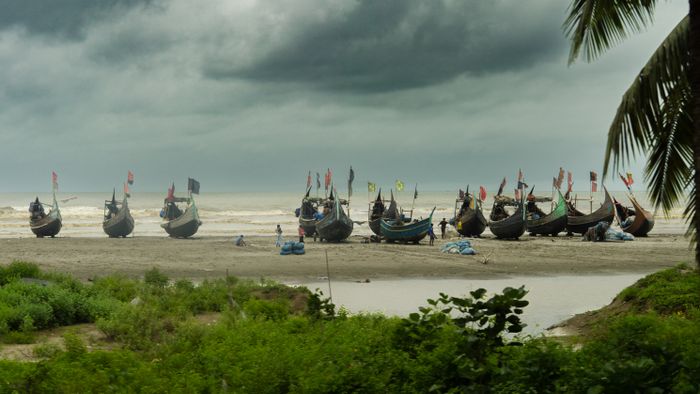
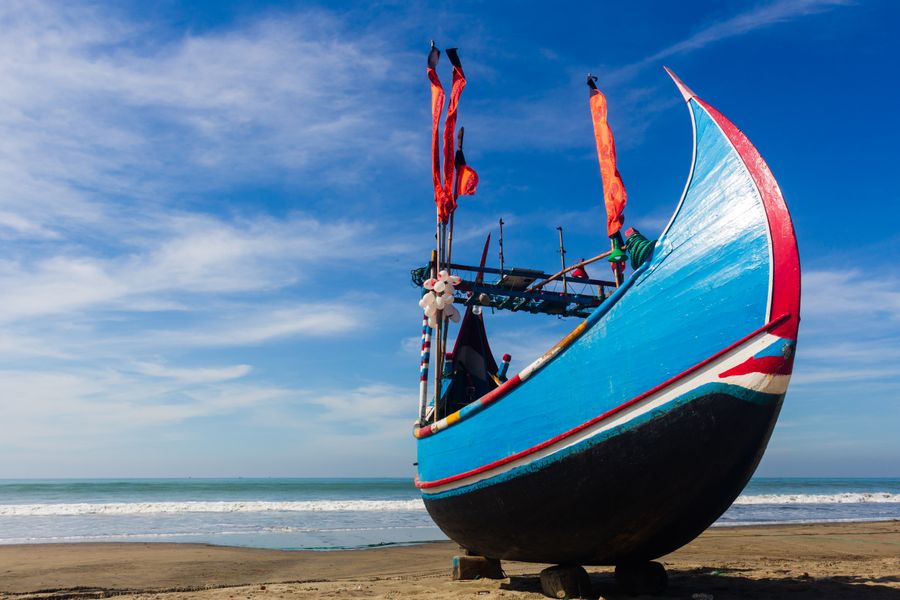
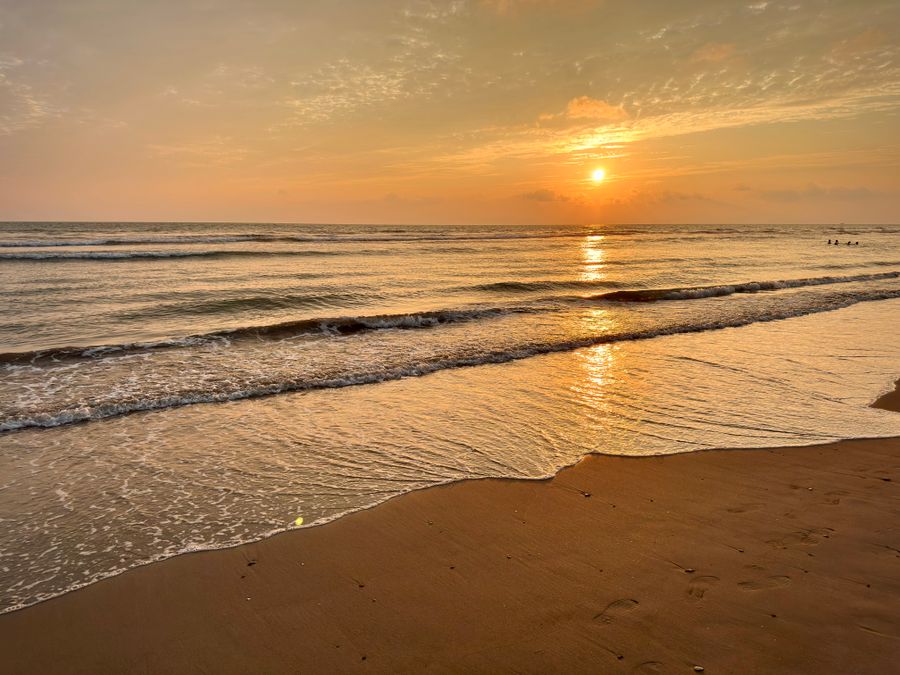
Sunrise is the reason to set an alarm. Cox’s Bazar faces broadly west-south-west, so the famous sunsets are the headline act — but the hour after dawn is when the beach is at its most photogenic and least crowded, with the fishing boats coming in and the sand freshly raked by the tide.
Practicalities on the strip
ATMs along Hotel Road accept foreign cards inconsistently; the reliable machines are in town near the main market, and it is worth drawing cash before you need it. Most small purchases — CNGs, tea, grilled fish, beach chairs — are cash only, and small notes matter. Mobile data from Grameenphone or Robi is cheap and fast enough for maps and calls; a tourist SIM takes ten minutes and a passport copy at any of the shops on the strip.
CNG auto-rickshaws are the default transport and run the beach road constantly. Short hops within the strip should cost 50 to 100 taka, Kolatoli to Laboni 80 to 120, and the airport 150 to 250. There are no meters, so agree the fare before getting in. Battery-powered easy-bikes are cheaper still for very short distances, and motorbike rentals from the shops near the junction are the best way to do the Marine Drive under your own steam.
Dress is conservative by regional standards, and visibly so on the beach: Bangladeshi women swim fully clothed, and foreign visitors in swimwear attract sustained attention and cameras. Shorts and a t-shirt for men, and loose long clothing for women, make for a considerably easier day. Friday afternoons see the biggest domestic crowds, and Ramadan changes the rhythm of the whole strip — kitchens open late, and daytime eating in public is best kept discreet.
Hotels in Kolatoli
Live prices, re-checked this morning. Tap through for room types and cancellation terms.
Getting here and around
Kolatoli in pictures
Questions about Kolatoli
Is Kolatoli beach safe for swimming?+
The waves are heavy and lifeguards are scarce. Swim between the flagged sections in front of the main hotels, stay shallow, and avoid the water entirely during the monsoon swell in July and August.
How far is Kolatoli from the town centre?+
About two kilometres north — five minutes in a CNG for well under a dollar, or a twenty-minute walk along the beach road.
Where do people eat here?+
Hotel Road has the tourist-priced seafood; New Beach Road, one block inland, has the same grilled fish and shrimp curry for half the money.