A very easy beach holiday, with three real caveats
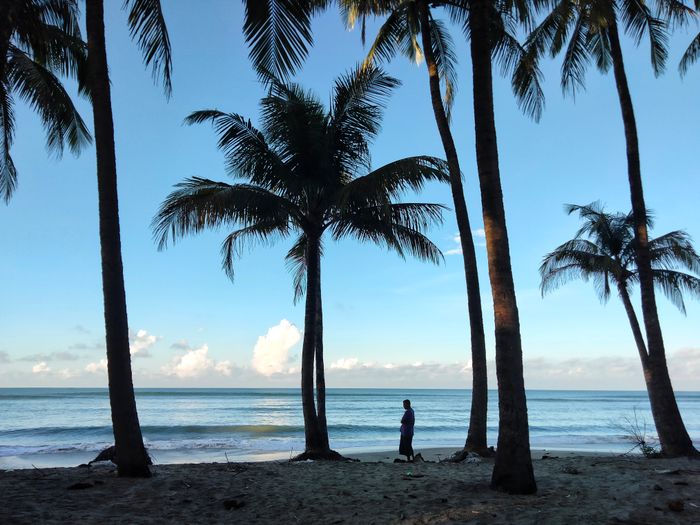
Bangladesh is an exceptionally child-friendly country in the everyday sense: children are welcomed everywhere, restaurant staff will fuss over them, hotels add a mattress to a room for $5 to $10, and nobody minds noise. Cox’s Bazar adds a huge flat beach that doubles in width at low tide, horse rides, kite sellers, tide pools and warm water.
The caveats are heat, surf and crowds. From March to October, midday sun here is punishing for small children and shade on the beach is scarce. The surf is heavier than it looks, with a longshore current and minimal lifeguard cover, so paddling rather than swimming is the realistic activity. And Laboni on a Friday is wall-to-wall people, which is either an adventure or a nightmare depending on the child.
The practical answer to all three: base yourself at Kolatoli or Sugandha rather than Laboni, be on the sand before nine and after four, use low tide for the shallow water, and plan one inland morning — the safari park, or Himchari — for the day everyone has had enough of sand.
Which beach, which hours, which tide
Base matters most. Laboni is the closest sand to the town and the busiest in the country — exciting, chaotic and loud. Kolatoli has the widest beach at low tide, flagged swimming sections, the most hotels with pools and everything within walking distance. Sugandha is the calmest of the three, cheaper, and has the emptiest morning sand, at the cost of restaurant choice. For most families, Kolatoli or Sugandha is the right call.
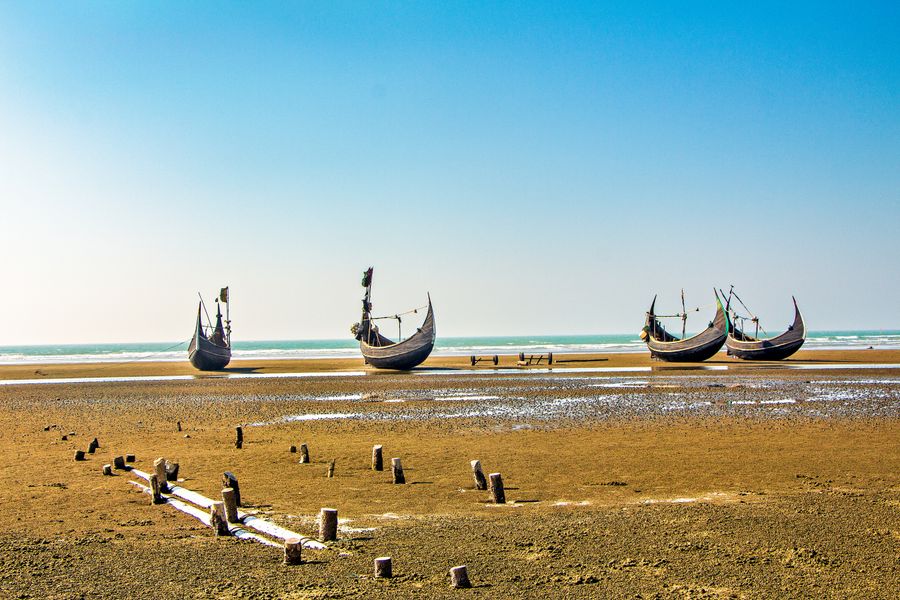
Then work with the tide rather than against it. At low tide the beach doubles in width and leaves warm shallow pools and firm sand for running, cricket and kites; at high tide the water comes up to the hotel walls at Kolatoli and there is nowhere safe to paddle. Any hotel desk will tell you the day’s timings, and they shift by roughly an hour daily.
Hours: before nine and after four, every day, from March onwards. Between eleven and three, be at a pool, at lunch, or inland. Sun protection needs to come from home — sunscreen is effectively unavailable locally at sensible prices — along with hats, rash vests, and more water than you think.
Nine things that actually work
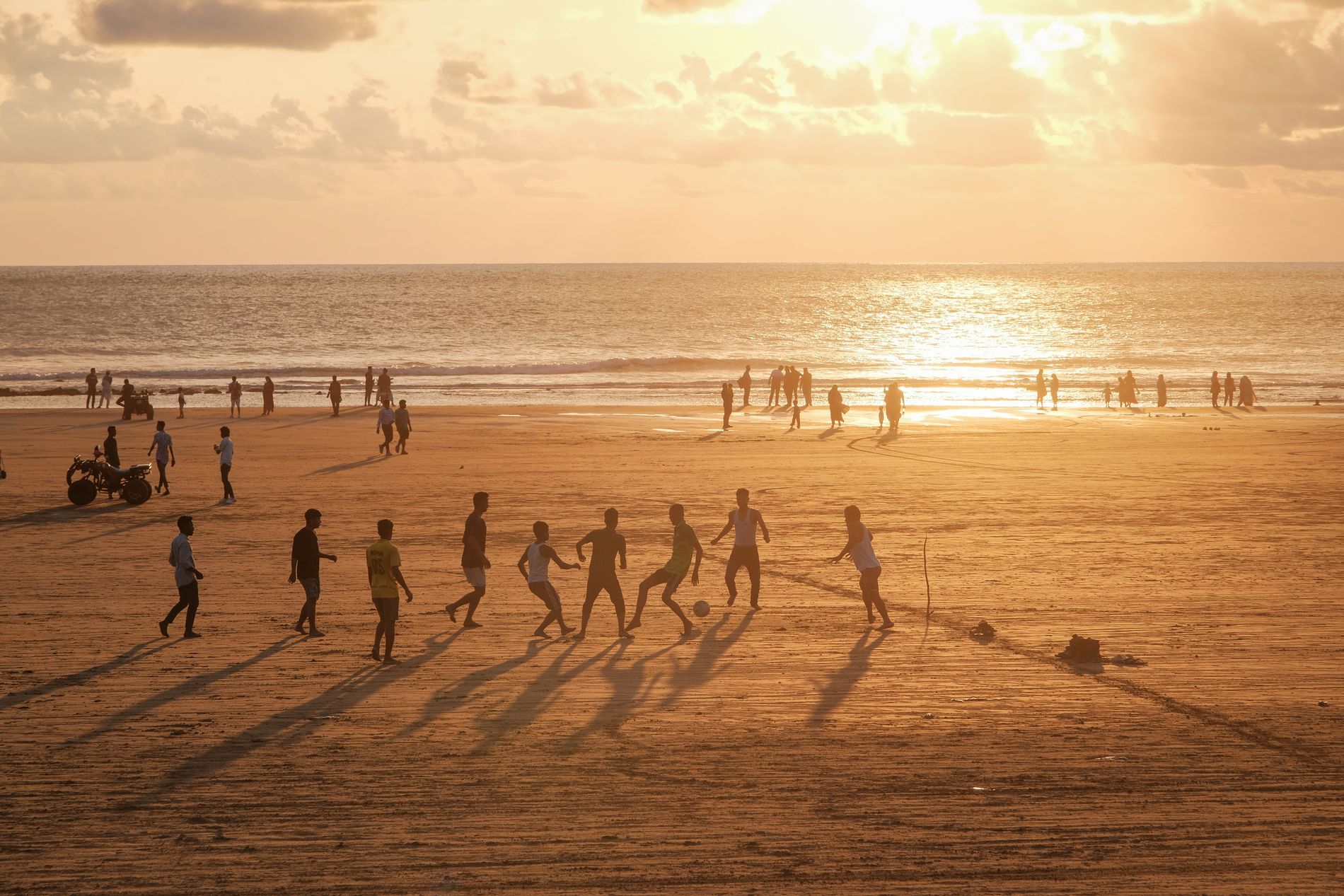
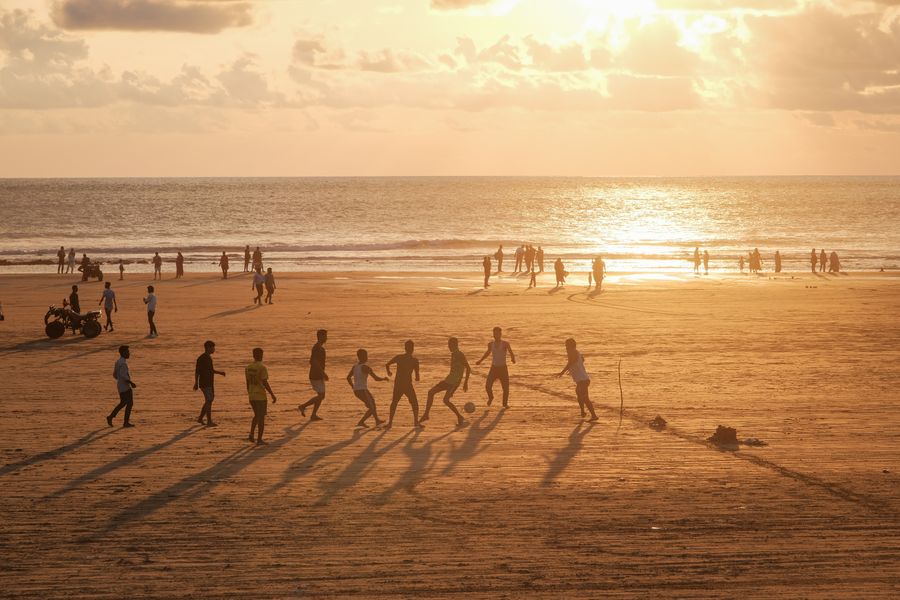
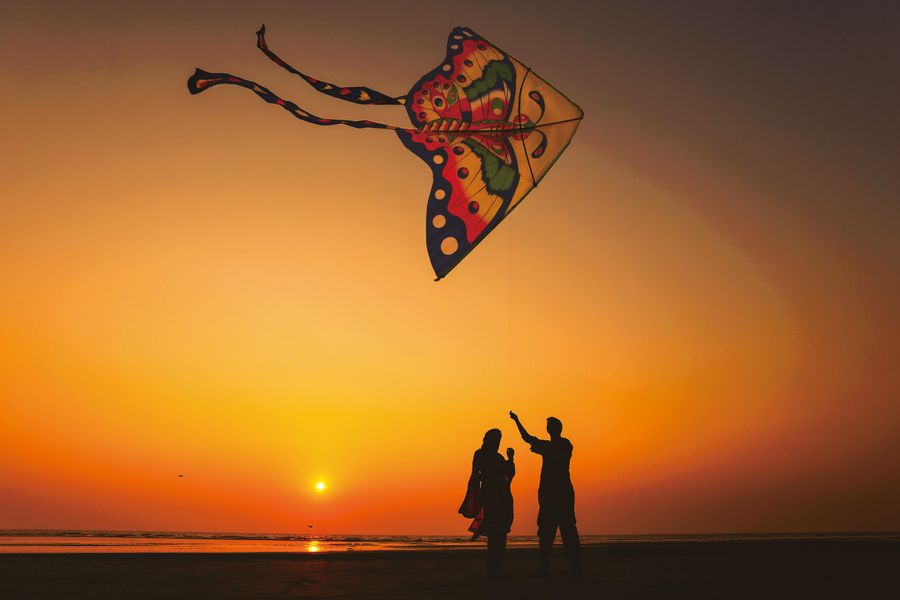
On the sand: horse rides along the beach (200–500 taka, negotiated), kite flying with a kite bought on the beach road for 50 to 150, beach cricket or football with the local children, which happens spontaneously and is the highlight of many trips, and the hour before sunset when the whole strip fills with families.
Just beyond: the rock pools at Inani and Patuartek at low tide, which is the best natural-history hour on the coast; a short boat ride from the Laboni jetty when the sea is calm, with a hard look at whether life jackets exist before you get in; and the Himchari park viewpoint, which is a manageable climb for a child over six and pays off with a view over the whole bay.
Inland: the Dulahazara Safari Park, fifty kilometres north, is the region’s only wildlife attraction and an easy half-day — flat shaded paths, a drive-through section with deer and gaur, elephants and a bird collection, at basic state-park standards. And on a rainy monsoon afternoon, the Burmese Market plus a sweet shop is a genuinely successful two hours.
Rooms, food, health and the practical stuff
Hotels: ask for a room on a low floor if the lift is unreliable, ask explicitly whether the hotel has a generator that runs the air conditioning during load-shedding, and ask for an extra mattress rather than a second room — $5 to $10 is the normal charge. Only a handful of properties have real pools, mostly the larger hotels near the Kolatoli bend and the big resort at Inani, and they are worth the premium with small children.
Food is easy. Rice, dal, plain paratha, eggs, fried fish, bananas and biscuits are available everywhere and cheap; chilli is the only real problem, so ask for “kom jhal” or order dal and rice plainly. Bottled water only, and be cautious with ice and cut fruit from small stalls in the hot months. Baby formula and nappies are available in the town pharmacies and larger shops, but bring your preferred brand.
Health: pharmacies are plentiful and cheap, and the town has clinics and a district hospital; anything serious means Chittagong or Dhaka, so travel insurance matters. Bring rehydration salts, a thermometer, sun cream, insect repellent and any regular medication. And be prepared for attention — foreign children attract friendly interest, photographs and cheek-pinching, which is meant warmly and can be a lot for a shy child.
Nine things to do with children
Ordered roughly by how little planning each one needs.
Warm shallow pools and hundreds of metres of firm flat sand. Stay in the flagged section and keep everyone in ankle-to-knee depth.
Short rides along the beach, led on a rein. Agree distance and price before anyone gets on.
The onshore afternoon breeze is reliable and the kites are cheap. A whole hour of entertainment for a dollar.
It happens spontaneously with local children and is usually the thing families remember. Bring a ball.
Crabs, small fish and anemones in the coral boulders. Shoes on — the stones are sharp — and check the tide before driving down.
Deer, gaur, big cats, elephants and birds on a large shaded site. Basic by international standards; easy and popular with children.
A steep but short climb to a tower over the coast. Fine for confident walkers over about six; carry water.
The answer to midday heat. Only a handful of hotels have real pools, so filter for it when booking.
Lacquer, blankets, cloth and a sweet shop on the way back. The best wet-weather two hours in the district.
Family practicalities
Families on the coast
Family questions
Is Cox’s Bazar good for young children?+
Yes, with planning. The beach is enormous and shallow at low tide, children are welcomed everywhere, and costs are low. Work around the midday heat, avoid the heavy surf, and base yourself at Kolatoli or Sugandha rather than the very crowded Laboni.
Can children swim safely?+
Paddling in the flagged sections at low tide, yes. Real swimming, no — the surf and longshore current are strong, lifeguard cover is minimal and the water is unsafe in the monsoon. A hotel pool is the safe option.
Which beach is best for families?+
Kolatoli for the widest low-tide sand, the flagged swimming zones and the most hotels with pools; Sugandha if you want the same beach much quieter and cheaper. Laboni is the most crowded and the noisiest.
Is there anything to do besides the beach?+
The Dulahazara Safari Park (50 km north) is the easiest half-day, the Himchari park viewpoint is a short climb with a big payoff, and the Inani rock pools at low tide are the best natural-history hour on the coast.
When should we come with kids?+
November to February: dry, 22–30°C, calm sea. March to May is hot enough to be limiting for small children, and June to September brings monsoon rain and a dangerous swell.