The best sand on the coast, and the least infrastructure
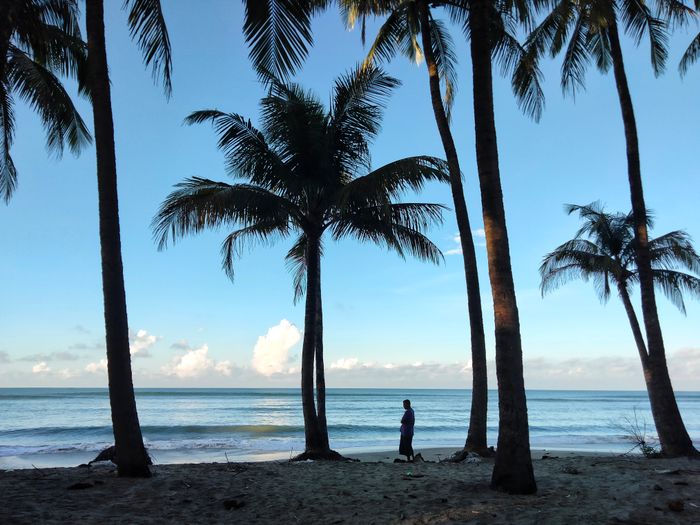
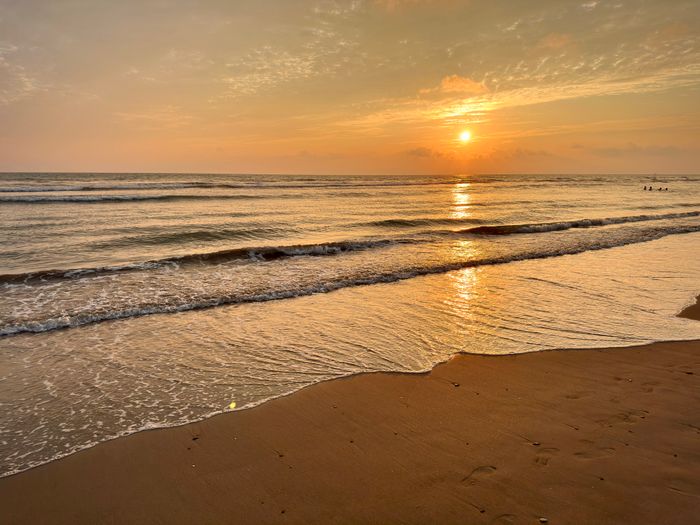
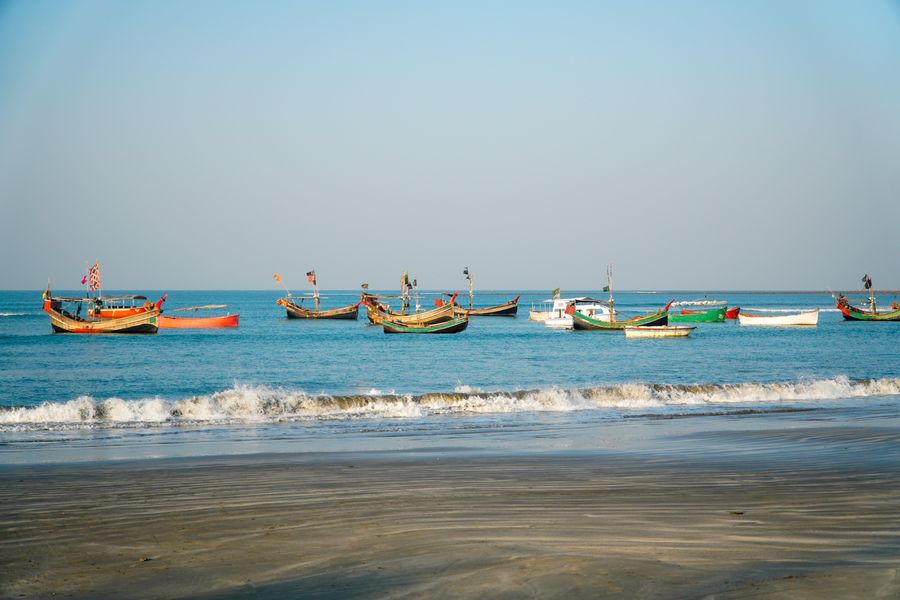
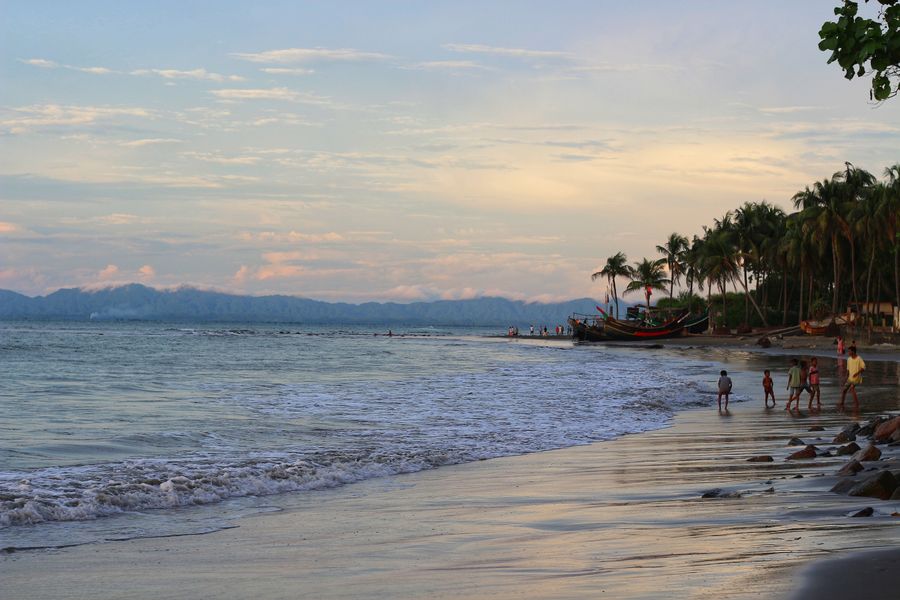
Inani is the beach people mean when they say Cox’s Bazar is beautiful. Black coral boulders break up the sand, the water is clear enough to see your feet, and on a weekday you may share a kilometre of shoreline with two fishermen. It is a 45-minute drive down the Marine Drive, which is half the appeal.
The catch is that there is essentially nothing here: a few resorts, a couple of tea stalls, and restaurants that range from poor to closed. Eat at your hotel, bring snacks and water, and treat the day-trippers who arrive around noon as your cue to walk further south.
Why the water is different here
Inani sits 27 kilometres south of the town, past Himchari, on a stretch where black coral-stone boulders break through the sand at intervals along the shore. Those rocks are the reason the beach looks and behaves differently from the main strip: they interrupt the longshore drift, the water sits clearer and calmer between them, and at low tide they expose pools full of small fish, crabs and anemones. It is the only part of the Cox’s Bazar coast where you can reasonably see your own feet in the water.
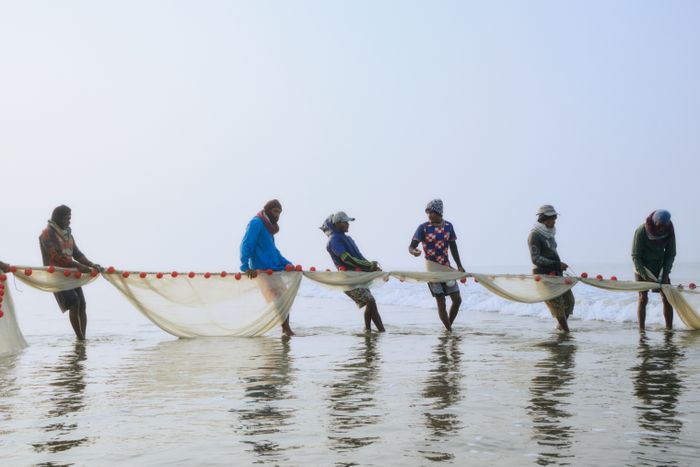
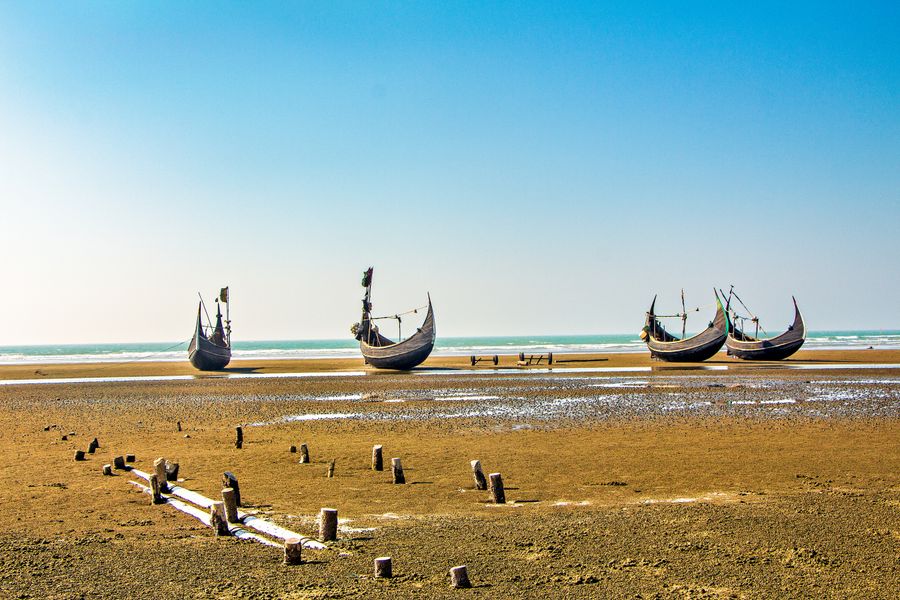
The hills come close to the road here too, so the backdrop is green rather than built, and the beach is wide enough at low tide to walk for a kilometre without passing anyone. On a weekday morning you will share it with a handful of fishermen and their boats. Around eleven, the first day-trip microbuses arrive from Kolatoli, the picnic groups set up near the road access, and the answer is simply to walk five minutes further south.
Do not treat calm-looking water as safe water. This is still the open Bay of Bengal, the rocks are slippery and sharp under a wave, and there is no lifeguard within 25 kilometres. Swim in the sandy sections, keep it shallow, wear something on your feet, and stay out entirely during the monsoon.
Sleeping at Inani: a short and specific list
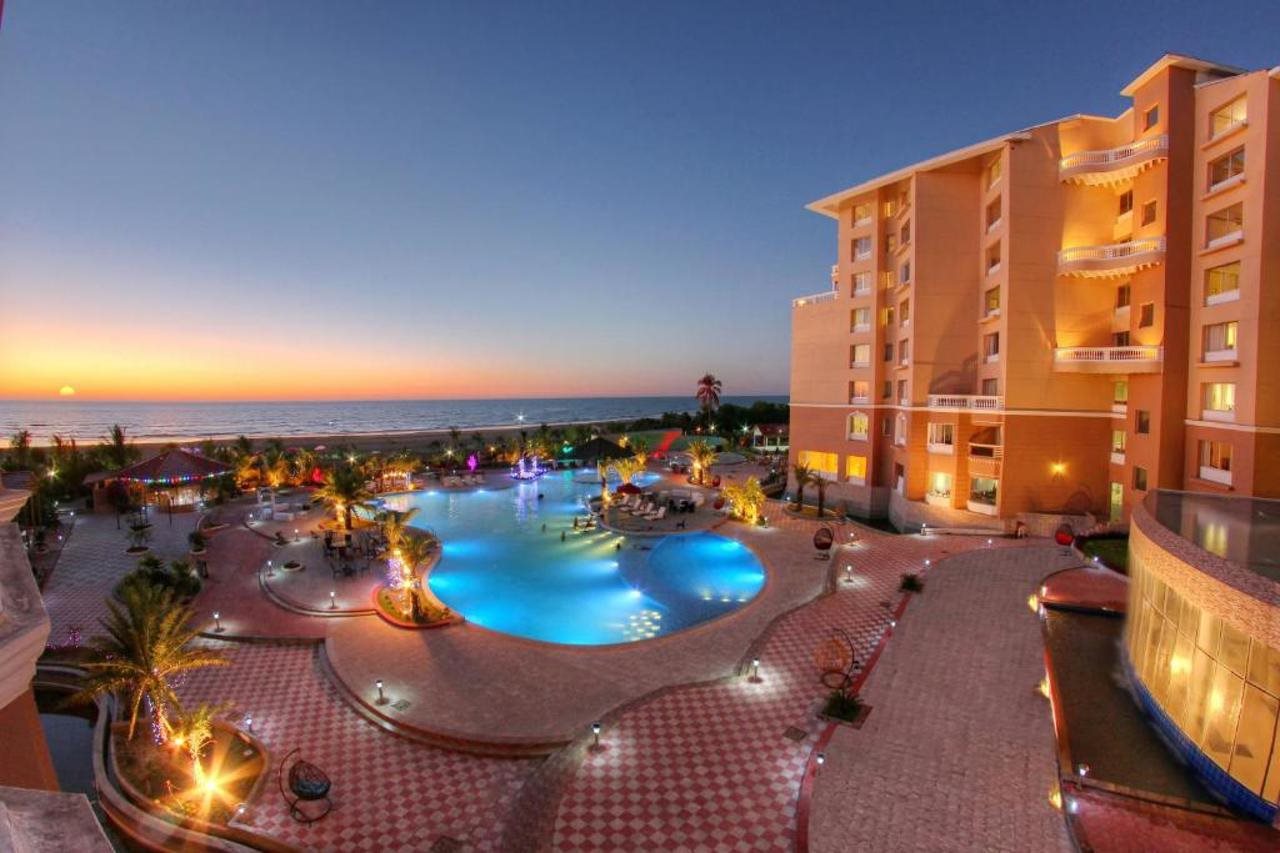
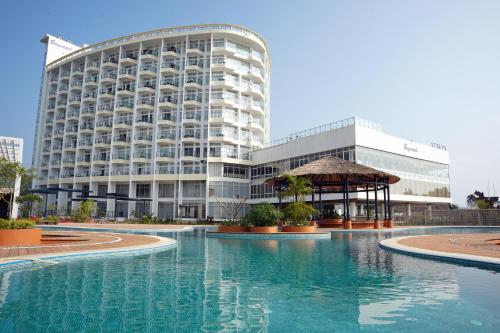
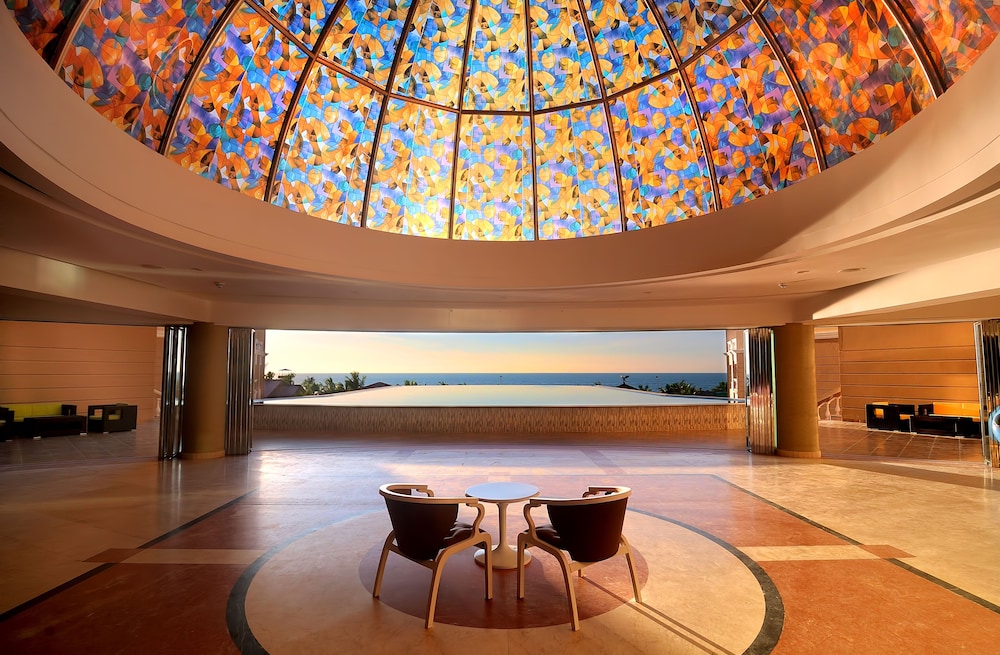
There are only a handful of places to stay, and they divide neatly. At the top is the large resort complex above the road, with a pool, generator-backed air conditioning, a restaurant and rates from about $85 to $160 depending on season and view — the most expensive sleeping in the district, and the only place here with real amenities. Below that, a small number of independent resorts and cottage guesthouses run $35 to $70, usually with a restaurant that closes at nine and hot water that arrives eventually.
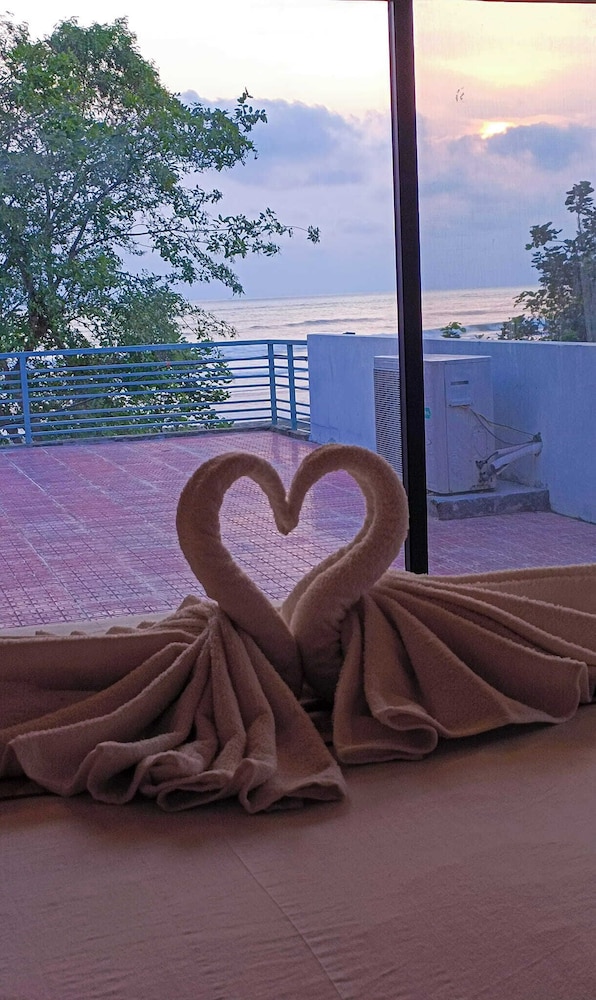
Ask three questions before booking anything at Inani: whether there is a generator, whether the kitchen serves dinner on request, and how far the room is from the actual beach access, which in some cases involves a walk along the highway. Also check the road side: rooms facing the Marine Drive get truck noise at night, rooms facing the sea do not.
If you want the beach without the isolation, stay on the main strip and come here for a long morning. If the isolation is the point, book two nights, bring what you need and plan to be unreachable.
Food, water and the things nobody tells you to bring
The single most common complaint about Inani is the food, and it is justified: there are a few tea stalls near the road, a couple of simple rice-and-fish places, and otherwise you eat where you sleep. Hotel kitchens here charge resort prices for competent but unexciting cooking, and they stop serving early. Anyone arriving after nine in the evening without having eaten will go to bed hungry.
Bring drinking water, snacks, sunscreen (effectively unavailable locally, and the sun here is unforgiving by mid-morning), any medication you might need, cash in small notes, and a torch. There is no ATM, card acceptance is patchy outside the big resort, and mobile signal is adequate for calls but slow for anything else. Power cuts are routine and short.
Footwear matters more than you would expect: the coral stones are genuinely sharp, the sand gets hot enough to burn by noon, and sandals you can walk and wade in solve both problems.
Making a day of the drive
Most visitors reach Inani as the halfway point of a Marine Drive day, and that is the best way to use it. Leave Kolatoli at seven, stop at the Himchari waterfall and viewpoint (25 minutes in), reach Inani by half past eight for empty sand and good light, eat an early lunch, and then decide whether to continue to Teknaf — another hour south — or turn back. A car and driver for the day runs $30 to $55; a motorbike, which is more fun and the only way to stop wherever you like, is $8 to $12 plus fuel.
Two practical constraints. First, the Marine Drive is unlit and livestock and pedestrians use it after dark, so plan to be off it by sunset. Second, there are army and police checkposts on the southern sections; carry a passport copy, keep the original accessible, and expect to be waved through in under a minute.
Hotels in Inani
Live prices, re-checked this morning. Tap through for room types and cancellation terms.
Getting here and around
Inani in pictures
Questions about Inani
Can I visit Inani as a day trip?+
Yes — most people do. Leave Kolatoli by 7am for the light and the empty sand, and be back before the Marine Drive gets dark.
Is there anywhere to eat at Inani?+
Barely. A couple of tea stalls and your hotel kitchen. Bring water and snacks; do not count on a restaurant being open.
Is the water safe to swim in?+
Calmer than Laboni but still open sea, with rocks at low tide. Swim in the sandy sections and avoid the monsoon months.