The best seafood in Bangladesh, sold at two different prices
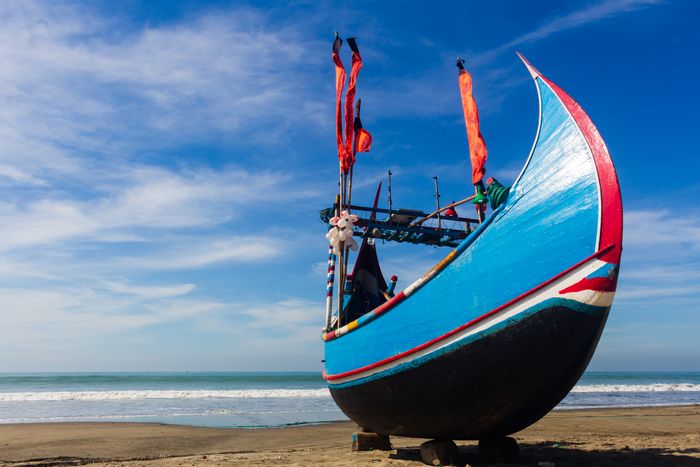
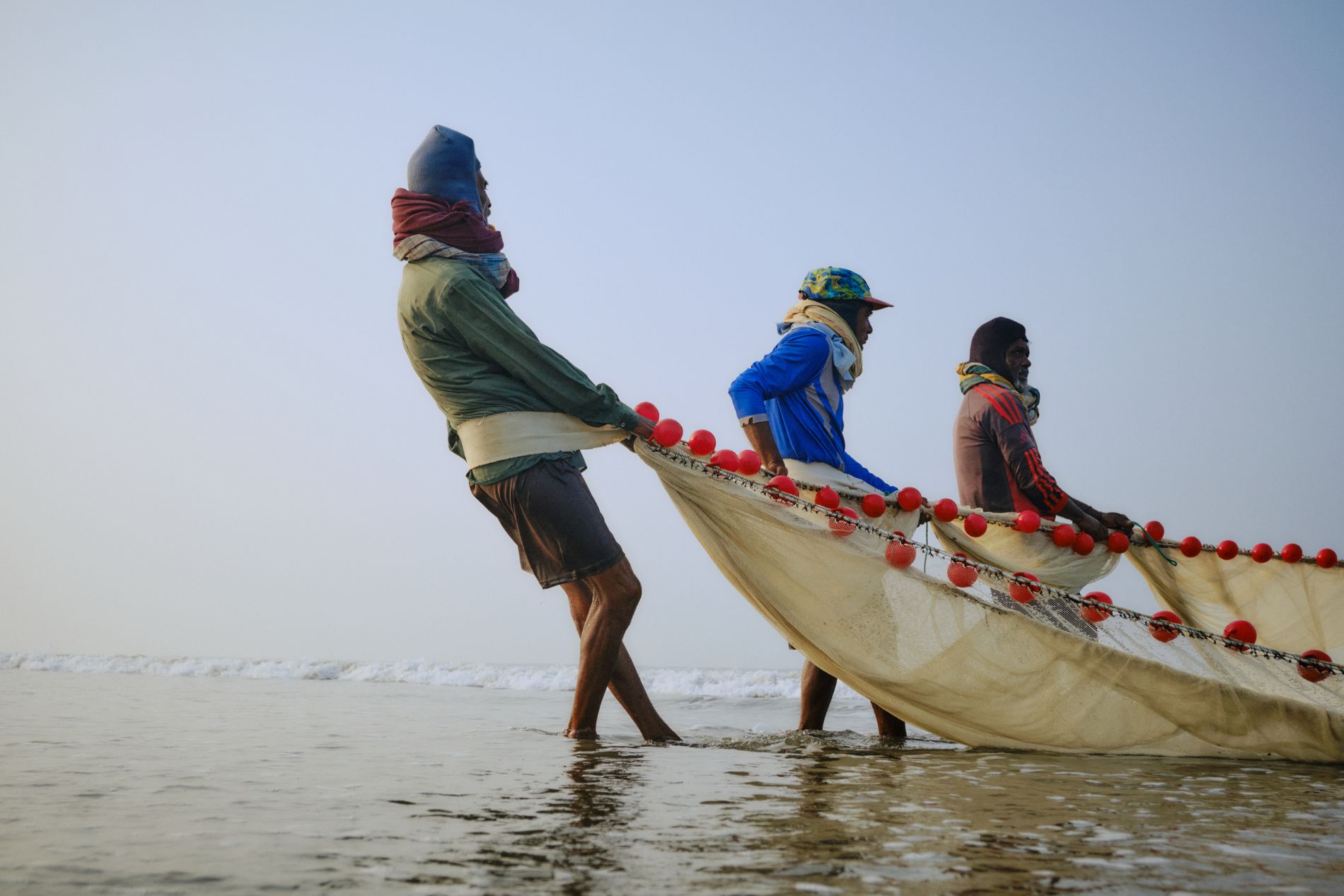
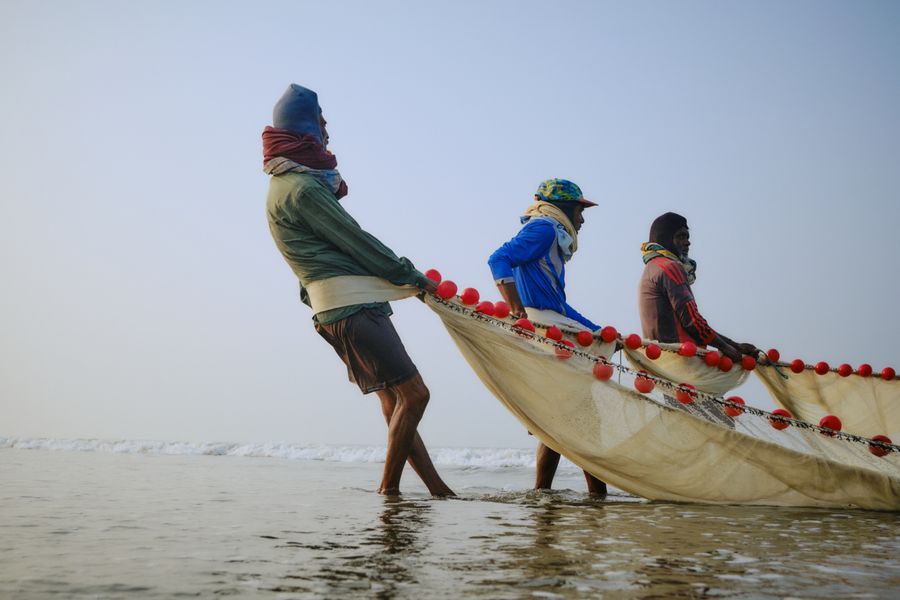
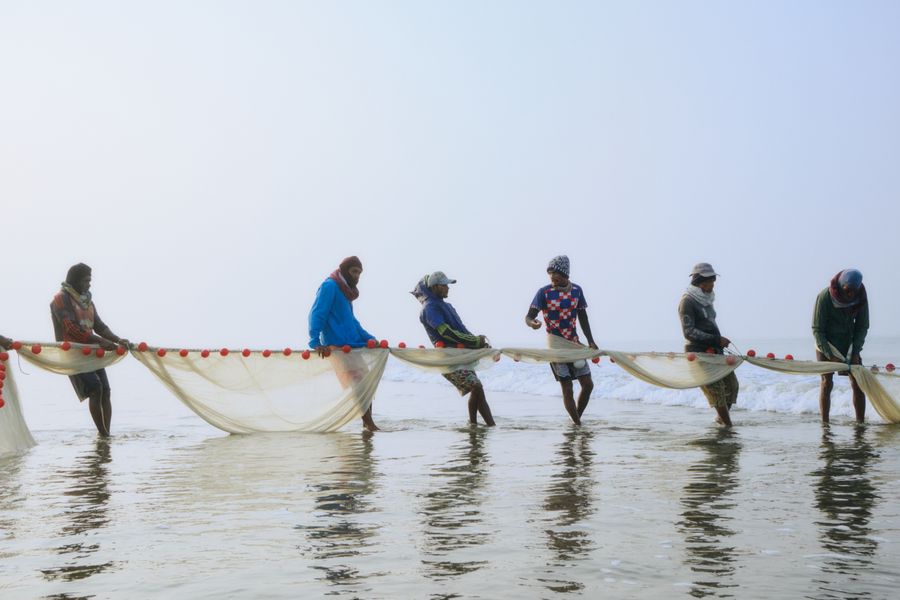
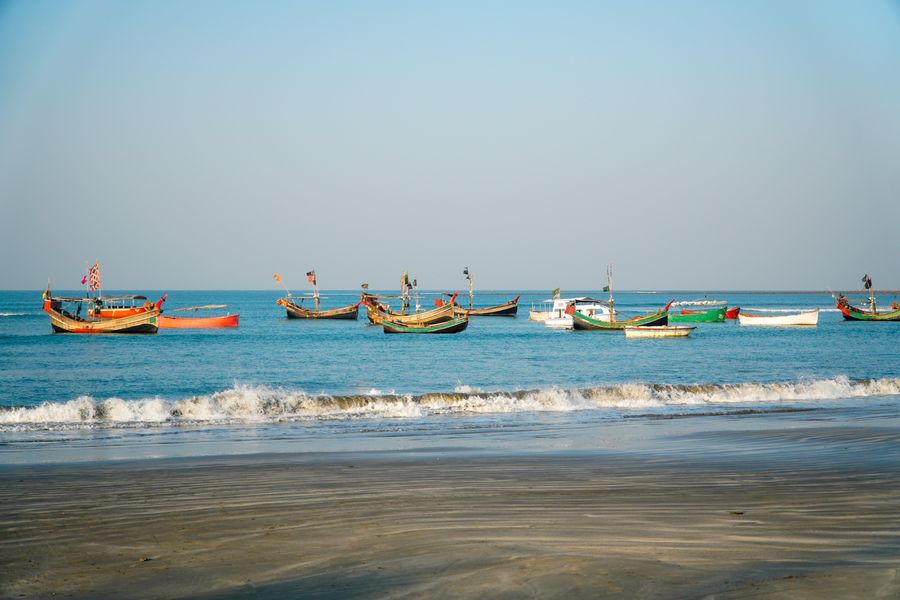
Cox’s Bazar has the freshest seafood in the country for the simplest of reasons: the boats land on the beach in front of you and the catch is on charcoal within hours. Rupchanda (pomfret), coral fish, king prawns, crab, squid, loitta and the local surmai all appear on the grills, priced by weight, alongside the rice-dal-bhorta-curry architecture of any Bangladeshi meal.
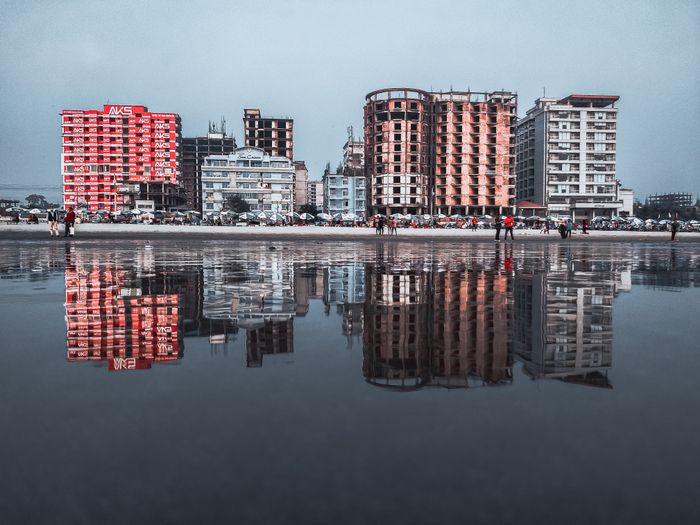
The catch, everywhere, is the two-tier pricing. The beachfront restaurants on Hotel Road quote tourist prices — 600 to 900 taka for a grilled fish plate. Walk one block inland to the New Beach Road lanes and the identical fish off the identical boat, cooked over the identical charcoal, is 350 to 500. Nothing about the quality differs; you are paying for proximity to the sand.
The other habit worth forming immediately: agree the weight and the total price before anything goes on the fire. Fish and prawns are sold by weight from a display counter, and the gap between what visitors are quoted and what locals pay is the single largest source of overcharging on this coast.
What to order, and what it should cost
Start with the grill. Rupchanda is the default and the best value; coral fish is firmer and pricier; king prawns and lobster are sold by weight and can run to real money. A whole grilled fish with rice, dal and a vegetable should land at 350 to 500 taka away from the beachfront, 600 to 900 on it. Shrimp curry, crab curry and squid appear on most menus at similar prices, and the fried loitta (Bombay duck) is a cheap local favourite worth trying once.
Away from seafood, the staple is the rice-and-curry plate: rice, dal, a vegetable, a bhorta (mashed vegetable or fish with mustard oil and chilli) and a protein, for 150 to 300 taka. It is the best value food in the district and available on every street off the strip. Beef and chicken curries, khichuri on rainy days, and biryani or kacchi at the better places in town round out the list.
Breakfast is paratha with dal, egg and a vegetable, or khichuri, for 60 to 150 taka, plus the sweet milk tea that runs the whole coast at 10 to 25 taka a cup. Vegetarians eat well — dal, bhortas, vegetable curries, paratha — but should say “no fish” explicitly, since fish reads as a default rather than as a meat. Chilli levels are serious; ask for “kom jhal” if you need it milder.
Where to eat, area by area
On the Kolatoli strip, Hotel Road is the tourist row and the New Beach Road lanes one block inland are where the value is — same menus, half the numbers. Around Laboni, the beach shacks are for coconuts and sunsets rather than dinner; the streets running back towards the bazar hold the better kitchens. In the town itself, the rice-and-curry houses around Boro Bazar and Bazar Ghata are the cheapest good food anywhere in the district, and the sweet shops on the main road do mishti that the hotels charge triple for.
Further out, Teknaf has the best-value seafood on the coast — port-side stalls grilling that morning’s catch for 250 to 500 taka — and Ramu has simple local kitchens and, if you ask and are lucky, Rakhine dishes you will not find on the strip. Inani and the Marine Drive resorts are the weak spot: you eat where you sleep, at resort prices, and kitchens close early.
Two markets are worth visiting for their own sake. The fish landing centre and the early-morning fish market move between five and eight; the shutki (dried fish) market at the southern end of town is the most pungent and most photogenic corner of Cox’s Bazar, and dried fish is the local souvenir of choice — vacuum-packed if you have any sense.
Water, hygiene and the practical stuff
Do not drink the tap water. Bottled water is 35 to 40 taka for 1.5 litres from any shop — if you are quoted more on the beach, that is a tourist price. Ice in drinks at small places is a risk in the hot months; hotel and restaurant ice is generally fine. Street food is safe if it is cooked in front of you and served hot: fuchka, chotpoti, grilled corn, singara and jhalmuri are all part of the evening on the beach road.
Meals run early by Western standards. Lunch is twelve to two, dinner starts at seven and most kitchens off the strip are closing by ten; on the beachfront the grills run to eleven. In Ramadan the rhythm inverts — kitchens open after sunset, daytime eating in public is best kept discreet, and iftar spreads appear everywhere at dusk, which is worth experiencing.
Tipping is not expected, though rounding up is appreciated. Cash is essential: card acceptance outside the larger hotels is near zero, and small notes make everything easier.
Fourteen things to eat, and where
Prices are what you should pay away from the beachfront. Double them on Hotel Road.
The signature plate: whole pomfret over charcoal with rice, dal and a vegetable. Agree the weight and price before it goes on the fire.
Firmer and meatier than pomfret, and better grilled than curried. Teknaf is where it is cheapest and freshest.
Sold by weight and the most common source of overcharging. Fix the weight, the price and the cooking method up front.
Coconut-and-mustard shrimp curry is the local dish worth ordering over anything grilled at least once.
Rice, dal, vegetable, bhorta and a protein. The best value meal in the district, and what everyone here actually eats.
Mashed aubergine, potato or dried fish with mustard oil, onion and chilli. Order two and a plate of rice for a cheap, excellent dinner.
Bombay duck, battered and fried. Cheap, oily, salty and very good with dal and rice.
An acquired taste cooked into fiery curries and bhortas. The market itself is worth half an hour even if you never eat it.
Rice and lentils cooked to a soft mass with beef curry. The standard monsoon comfort meal.
The local treat meal. Ordered by the plate, eaten in a hurry, and better in town than on the beach road.
Breakfast, for under a dollar. Add a milk tea and you have the standard start to a coastal morning.
Crisp shells with tamarind water and spiced chickpeas, eaten standing up as part of the sunset crowd.
The default beach drink. Ask the price first; the opening quote on the sand is usually double.
Sweet, strong and the social institution of the coast. The stalls behind the hotels are open when nothing else is.
Eating practicalities
The catch, from boat to plate
Food questions
What food is Cox’s Bazar known for?+
Grilled sea fish — rupchanda above all — plus shrimp and crab curries, fried loitta, and shutki (dried fish) cooked into bhortas and curries. Alongside that sits the standard Bangladeshi rice, dal, bhorta and curry plate, which is the cheapest and most reliable meal here.
How much does a meal cost?+
A rice-and-curry plate is 150–300 taka ($1.50–2.50). A whole grilled fish with rice and dal is 350–500 taka inland and 600–900 on the beachfront. Breakfast is under a dollar. A big seafood dinner for two rarely passes $15 unless you order lobster.
Where do locals eat on the strip?+
Not on Hotel Road. The lanes off New Beach Road, one block inland from the Kolatoli beachfront, have the same seafood at roughly half the price, and the rice-and-curry houses in town are cheaper again.
Is the street food safe?+
Generally, if it is cooked in front of you and served hot — fuchka, chotpoti, grilled corn and singara are all fine. Be more careful with pre-cut fruit, unbottled water and ice from small stalls in the hot months.
Can I get alcohol?+
Barely. Bangladesh is effectively dry for visitors and only a small number of licensed hotel bars in Cox’s Bazar serve beer or spirits, at high prices. Plan on lime soda, coconuts and tea.
Is it easy to eat vegetarian?+
Yes. Dal, bhortas, vegetable curries, paratha and rice are on every menu and are excellent. Say “no fish” explicitly, since fish is treated as a default rather than as meat.