The same beach, eight completely different experiences
It is a single beach. That is the thing most visitors do not grasp until they arrive: Laboni, Sugandha, Kolatoli, Himchari, Inani and the long unnamed stretches between them are not separate beaches but consecutive sections of one 120-kilometre run of sand, broken only by a handful of river mouths and the coral outcrops in the south. You can, in theory, walk from the town to Teknaf on it.
What changes along the way is everything else: footfall, cleanliness, the width of the sand at low tide, whether there is anyone selling you a coconut, and how safe the water is. The middle sections carry the entire domestic tourist economy of Bangladesh; twenty-five kilometres south you can be alone. Understanding that gradient is how you pick where to sleep.
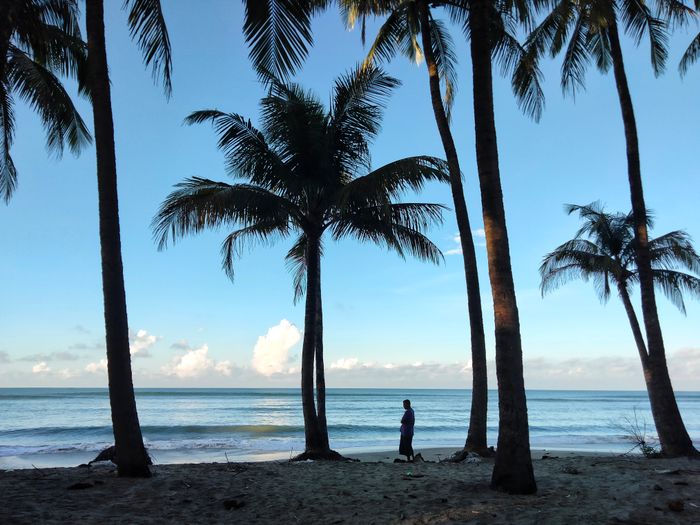
The sand itself is coarse and grey-gold rather than white, the water is brown-green with river silt near the town and clears steadily as you go south, and the surf is heavier than it looks in photographs. This is open Bay of Bengal, with all that implies.
North to south, and which section suits you
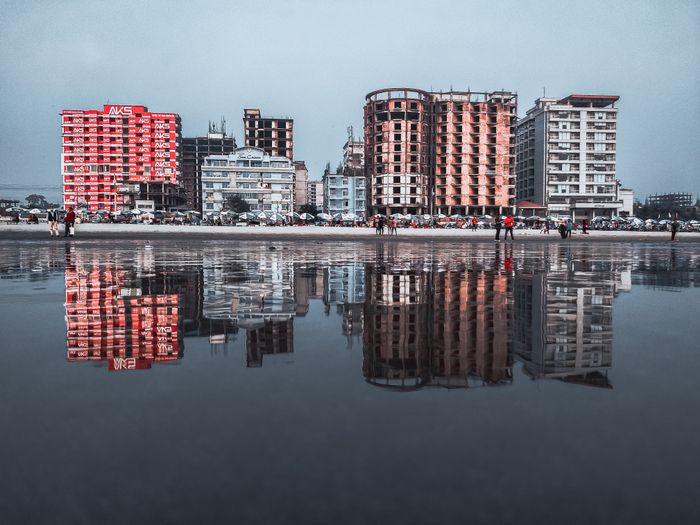
Starting at the town: Laboni is the beach at the foot of the bazar, the closest sand to the bus stand and the busiest in the country on a Friday — shacks, horses, photographers, speedboat touts and tens of thousands of people. Sugandha, a kilometre north of Kolatoli, is the quiet compromise: same sand, a fifth of the crowd, cheaper rooms, and the best dawn walk on the main coast. Kolatoli is the hotel wall, the widest sand at low tide, and the noisiest strip after dark.
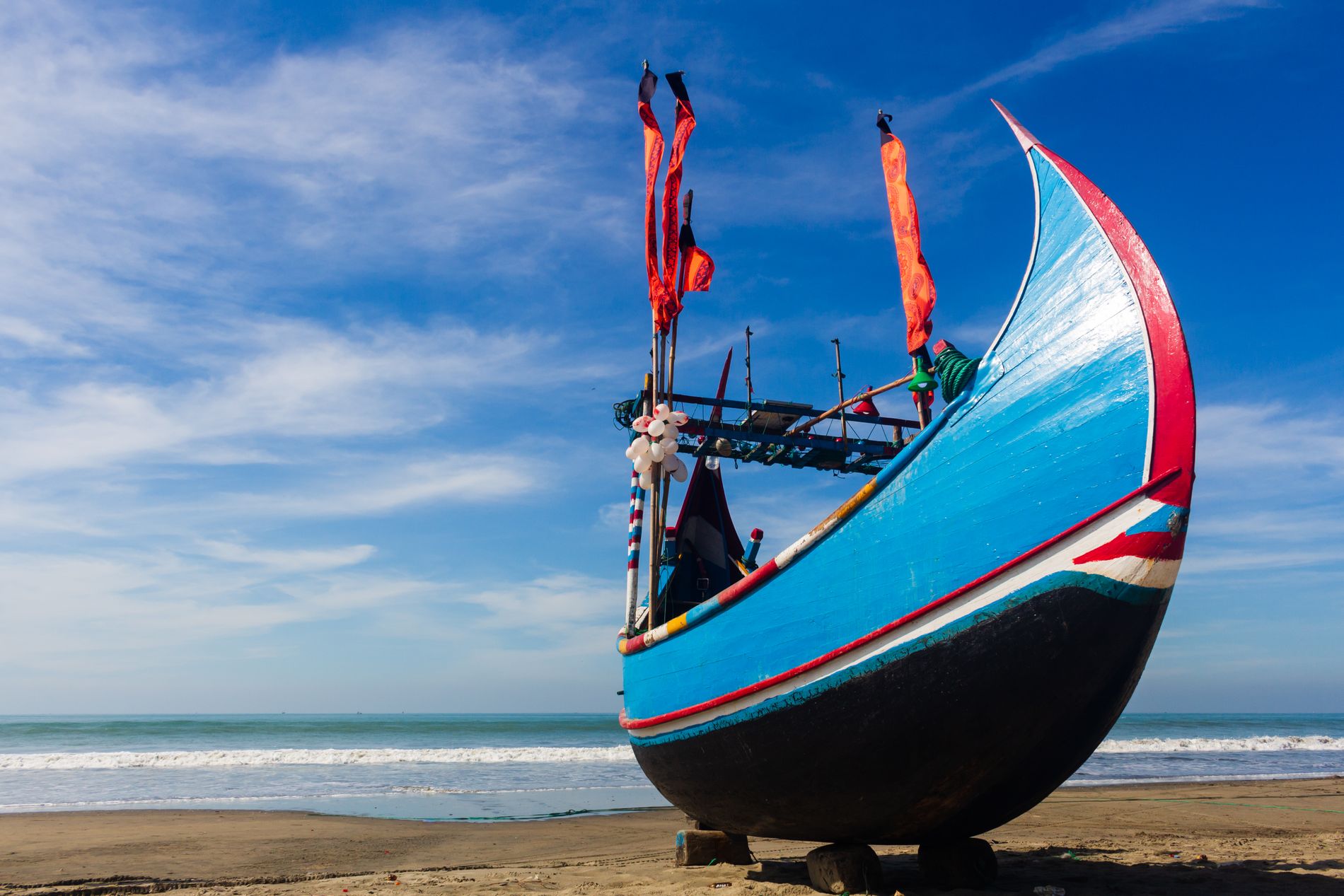
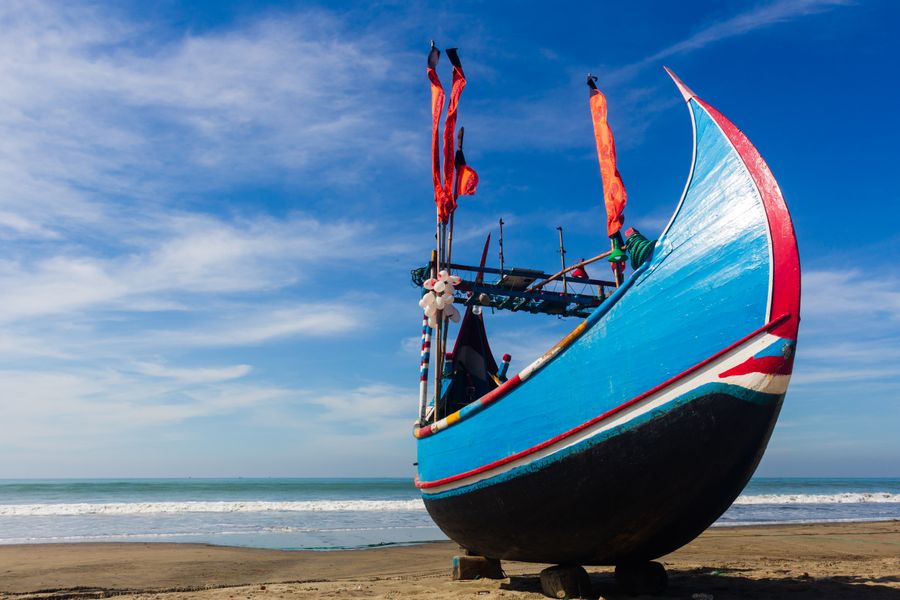
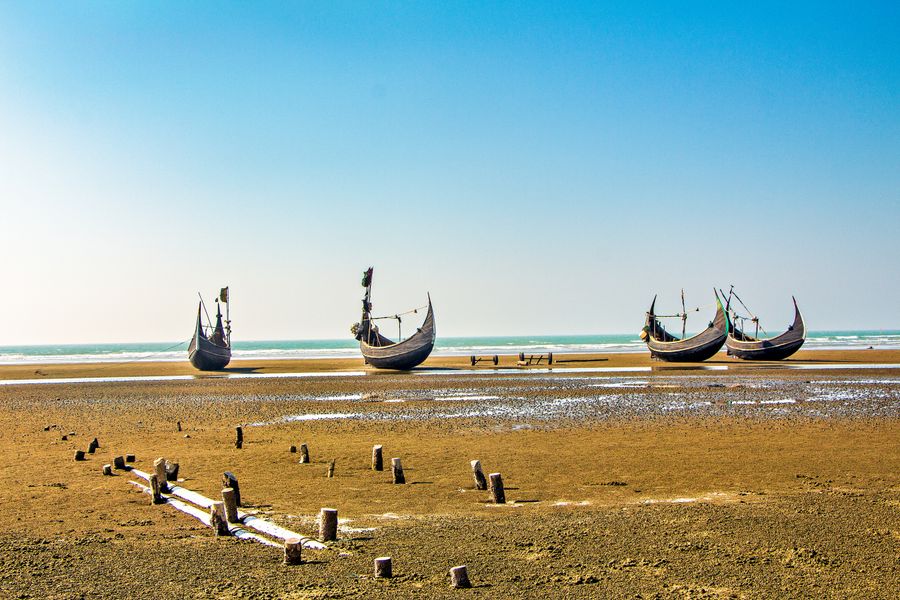
South of the town the character shifts fast. Himchari, twelve kilometres down, has a small stony beach below the national park, almost always empty on a weekday. Inani at 27 kilometres is the best sand on the coast — coral boulders, clear water, rock pools at low tide. Patuartek just beyond it is the same geology with fewer people. Shamlapur, around 45 kilometres, is a working fishing beach with hundreds of boats drawn up and no tourism at all. Then the long empty run to the Naf estuary at Teknaf, which is river rather than sea.
If you are choosing a base purely on beach quality: Sugandha for the balance of price and calm, Inani if clean water is the whole point, Kolatoli if you want to walk to dinner, Laboni if you want the spectacle.
Swimming: the part that needs taking seriously
People drown here every year, and the profile is consistent — confident swimmers who went out past waist depth and were taken sideways and out by the longshore current. There is no comprehensive lifeguard service; a small team covers a few hundred metres of the main tourist beach during daylight in season, and nothing else. Red flags mean exactly what they say, and they are routinely ignored by day-trippers who cannot swim at all.
The workable rules: swim only in the flagged sections in front of the main hotels, keep your feet on the bottom at all times, never swim alone or at dusk, and stay out of the water entirely from June to September when the monsoon swell is running. At Inani and Patuartek, watch for rocks under the wave at low tide, and wear something on your feet.
Tides matter more than most visitors expect. Low tide roughly doubles the usable width of sand and exposes the rock pools in the south; high tide pushes you up against the hotel walls at Kolatoli and can cut off short stretches below the Himchari cliffs. Any hotel desk will tell you the day’s timings, which shift by about an hour daily.
Dawn, dusk, and the working beach
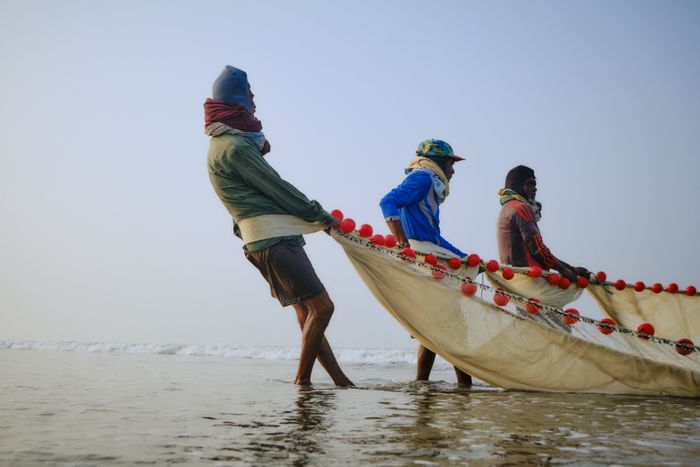
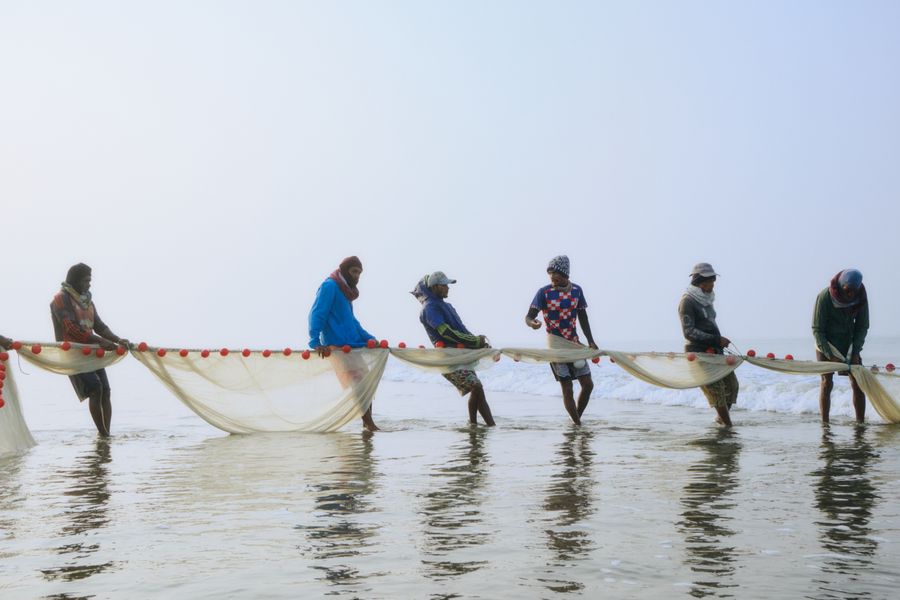
The beach has three distinct populations through the day. Before seven it belongs to fishermen: boats coming in through the surf, crews hauling nets by hand on the sand, crabs and gulls working the tideline, and joggers from the hotels. Between ten and four it is hot, bright and busy with domestic groups, horses, hawkers and cricket games. From five it fills for the sunset, peaks about twenty minutes before the sun reaches the water, and empties within half an hour of it.
For photographs, the first hour after dawn is unmatched and almost nobody uses it. For atmosphere, the sunset crowd at Laboni is the more interesting subject — whole families in the water fully clothed, kite sellers, roving tea flasks and an entirely different holiday culture from any Western beach.
Beach etiquette is worth knowing. Swimwear on foreign visitors draws attention and phone cameras; a t-shirt and shorts, or a sarong over a swimsuit, removes the problem. Do not photograph women or families without asking. And if you walk far enough to reach a working fishing beach, ask before pointing a camera at the boats — you will almost always be waved in and offered tea.
The eight stretches, north to south
Distances are from the Laboni beach entrance at the foot of the town.
The quiet one on the main coast. Clean sand, a fraction of the footfall, and the best sunrise walk within reach of a cheap room. A handful of kitchens and nothing else.
The original tourist beach and the busiest sand in Bangladesh. Shacks, horses, jetty, speedboats and crowds — chaotic, photogenic, and ten minutes from the bus stand.
Widest sand at low tide, backed by the hotel wall. Flagged swimming sections and the most infrastructure of any stretch; also the loudest after dark.
Small, stony in places, below the national park cliffs. Empty on weekdays, packed on Fridays. Better for sitting and photographs than swimming.
Black coral boulders, the clearest water on the coast and rock pools at low tide. Arrive before the day-trip buses at eleven and walk five minutes south of the access road.
Inani’s geology without Inani’s crowd. The best rock pools in the district and a genuinely quiet stretch even in season.
Hundreds of boats drawn up on open sand, nets everywhere, no tourism whatsoever. The most photogenic working shoreline on the coast — ask before shooting.
Not a swimming beach: river mouth, mudbanks and the Myanmar hills across the water. Come for the port, the boats and the sense of the end of the road.
Practicalities on the sand
The coast, section by section
Beach questions
Is Cox’s Bazar really the world’s longest beach?+
It is generally described as the world’s longest natural sea beach, at around 120 kilometres of unbroken sand from the town south towards Teknaf. Whether it holds that title depends on how you count river mouths, but the scale is real — you can drive for two hours with sand on one side the whole way.
Which beach is the cleanest?+
Inani and Patuartek, 27 to 29 kilometres south, by a wide margin — clear water, coral stones and almost no footfall. On the main coast, Sugandha is noticeably cleaner than Laboni or Kolatoli simply because far fewer people walk it.
Can you swim at Cox’s Bazar?+
Yes, with care, in the flagged sections and in the dry season. Keep your feet on the bottom, never go past waist depth, avoid dawn and dusk, and stay out of the water completely from June to September. Lifeguard cover is minimal.
Where do the fishing boats land?+
All along the coast before seven in the morning, but the big fleets are at Shamlapur (45 km south), the Teknaf port, and the landing centre at the southern end of the town beach. Go early; by nine it is over.
Is there any shade?+
Very little. Umbrellas are rented on the main tourist sections and there is nothing at all at Inani or Shamlapur. Between eleven and three the sun here is punishing — plan around it rather than through it.