The end of the road, and the ferry to St Martin’s
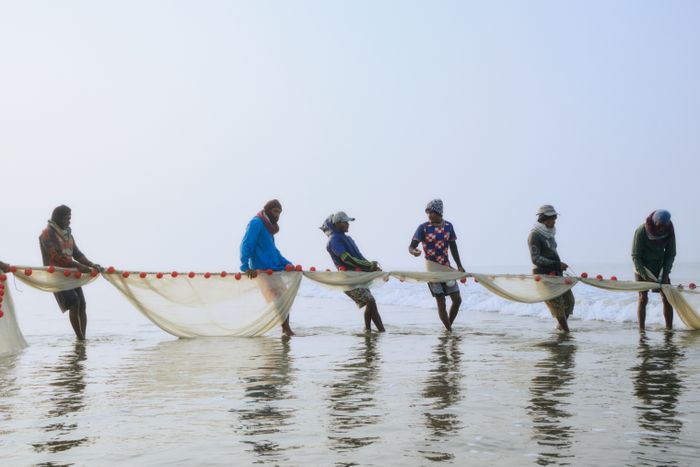
Teknaf is where the Marine Drive runs out. The town is a working port on the Naf River, with Myanmar’s hills rising green on the far bank and fishing boats unloading all morning. Seafood is the cheapest and freshest on the coast, and almost nobody here is on holiday.
Most visitors come for the St Martin’s Island ferry, which runs in the dry season only, and stay one night either side of it. Rooms are basic and inexpensive; the point is the port, the river and the sense of having reached the edge of the country.
The southernmost town in Bangladesh
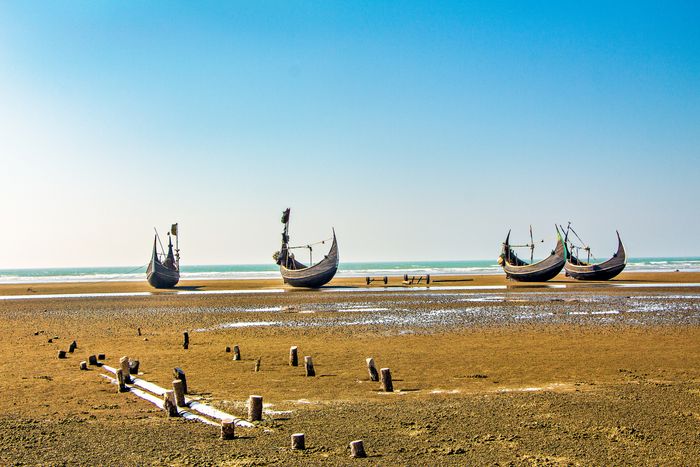
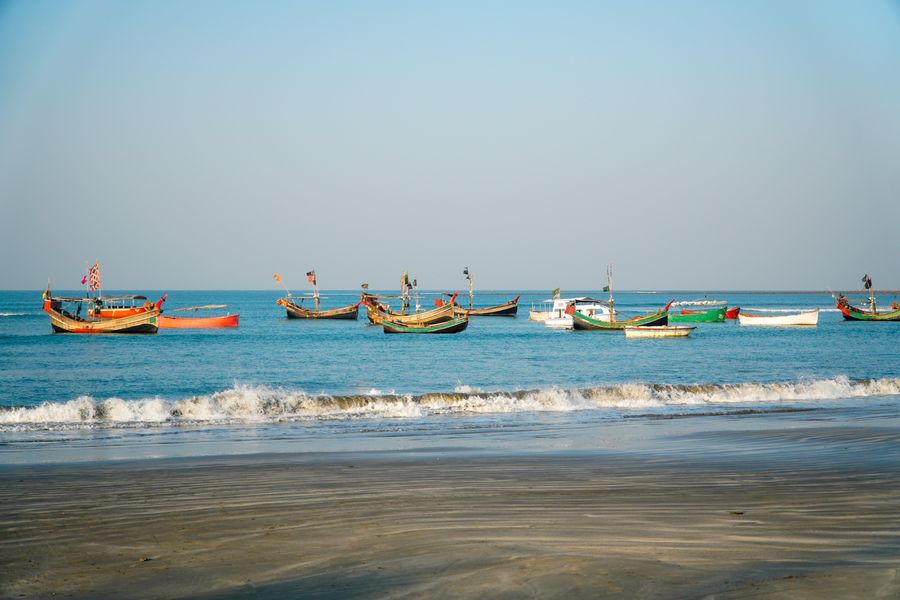
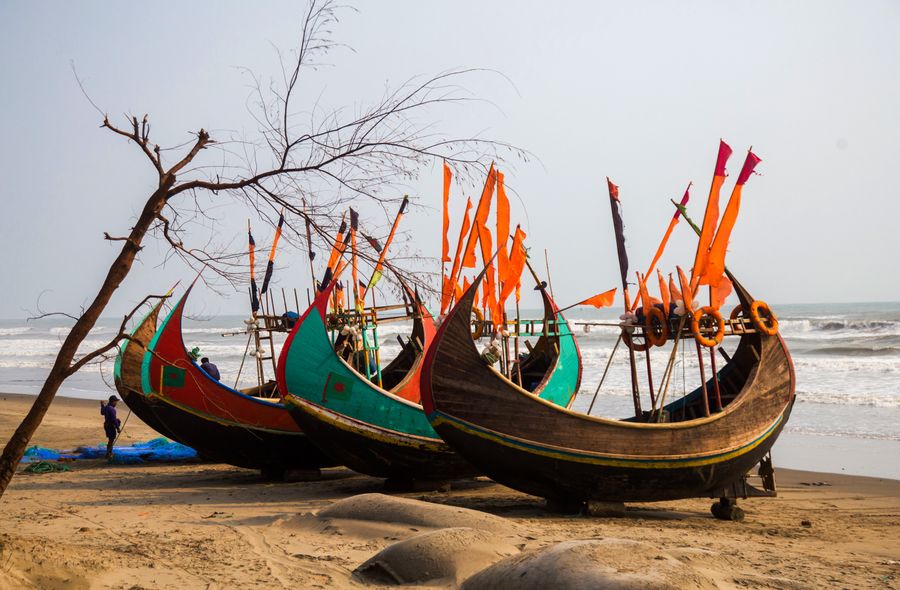
Teknaf is where the Marine Drive and the country both run out: a narrow town squeezed between forested hills and the Naf River, eighty kilometres south of Cox’s Bazar, with Myanmar’s Rakhine hills rising green on the far bank a couple of kilometres away. The river frontage is the town — a working port where trawlers and fishing boats unload through the morning, ice is loaded, and the day’s catch is sorted on the concrete in front of you.
Almost nobody here is on holiday, and that is the appeal. There is no beach promenade, no hawkers, no hotel strip; there is a bazar, a port, a long river bank, a hill behind the town with a long view over the water, and an unmistakable end-of-the-road atmosphere. Foreign visitors are rare enough to be greeted rather than solicited.
Two practical realities shape a visit. The Myanmar border crossing here is closed to casual travel and the riverine border zone is sensitive and patrolled — stay in town and on the main roads. And the town’s tourist economy, such as it is, exists almost entirely to serve the St Martin’s Island ferry.
The St Martin’s Island ferry: what to know before you plan around it
St Martin’s, the country’s only coral island, lies nine kilometres offshore and is reached by ship from the Teknaf jetty, a couple of kilometres out of town. Services run in the dry season only — broadly November to March — and are subject to sea conditions and to government regulation that has changed repeatedly in recent years, including caps on daily visitor numbers, mandatory registration and, in some seasons, restrictions on overnight stays. Nothing about this route should be treated as fixed.
In practice that means: confirm current rules and sailings within a few days of travel, not weeks; book the ship in advance in peak season, as it sells out; expect to show photo identification and register; and build a spare day into your plans, because cancellations for weather are common and the return sailing is the one that strands people. The crossing takes roughly two to three hours each way and costs $12 to $25 depending on class.
Most travellers spend one night in Teknaf either side of the crossing, which is exactly what the town’s hotels are built for. If the ferry is not running, there is no boat substitute worth taking — the open sea here is not a place for a small craft.
Eating, sleeping and the port at dawn
The seafood is the cheapest and freshest on the coast, for the obvious reason. Port-side and bazar stalls will grill whatever came in that morning — rupchanda, coral, king prawns, crab — with rice and dal for 250 to 500 taka, roughly half what the same plate costs on the Kolatoli strip. Ask the price by weight before it goes on the fire, as everywhere. Away from the port, the rice-and-curry places do a full plate for under 200.
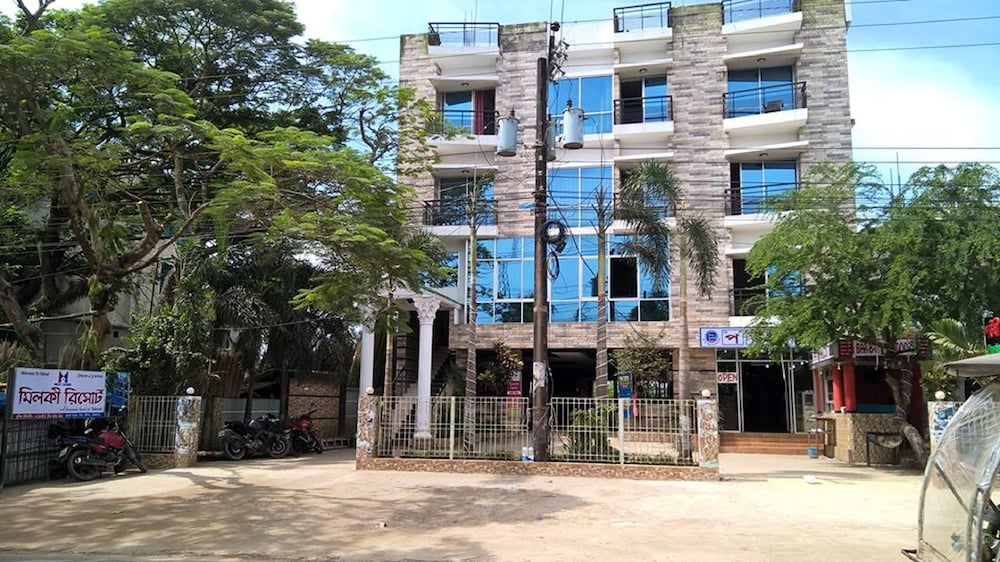
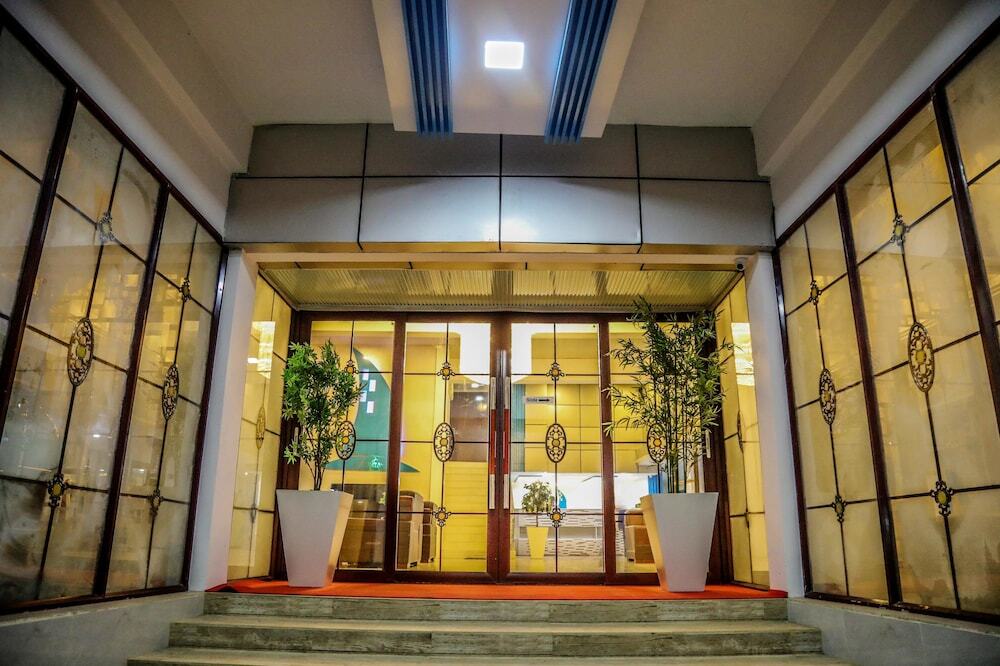
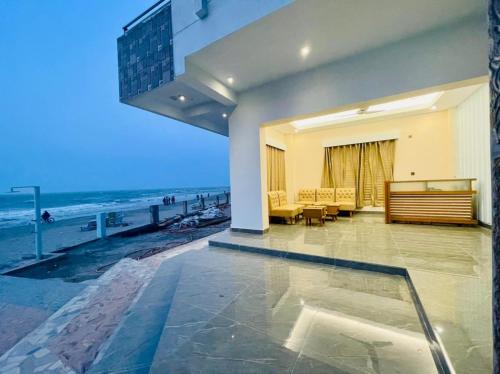
Rooms are basic and inexpensive: $15 to $35 for a fan or air-conditioned double, with a handful of slightly better places near the jetty road charging $40 to $60 in ferry season. Hot water is unlikely, generator cover is the question to ask, and the better rooms face the river. In the December to January peak, book ahead — the town’s room stock is small and the ferry fills it.
Be at the port between six and eight in the morning. The boats come in, the ice trucks arrive, the sorting and auctioning starts, and it is the single best hour anyone spends in Teknaf. Afterwards, walk or ride up to the hilltop viewpoint behind the town for the view across the Naf, and along the river bank towards the Shah Porir Dwip road.
Getting here, and staying sensible
Buses run from Cox’s Bazar to Teknaf all day for 150 to 300 taka, taking two and a half to three hours on the inland road; a car and driver down the Marine Drive is $35 to $55 and a great deal more scenic. Motorbike is the most enjoyable option in the dry season, but eighty kilometres each way in the heat is a long day. Plan to travel in daylight in both directions.
Carry your passport and a photocopy: there are checkposts on the approach roads and at the jetty, and identification is checked routinely and politely. Do not photograph border installations, military positions or the far bank. Do not walk the river bank after dark. Cash in small notes, since card acceptance is minimal, and a torch for the power cuts.
The town is a normal working port and ordinary caution is enough. The restricted areas are the border zone itself and the camp districts north of town; stay out of both and Teknaf is one of the most rewarding stops in the district.
Hotels in Teknaf
Live prices, re-checked this morning. Tap through for room types and cancellation terms.
Getting here and around
Teknaf in pictures
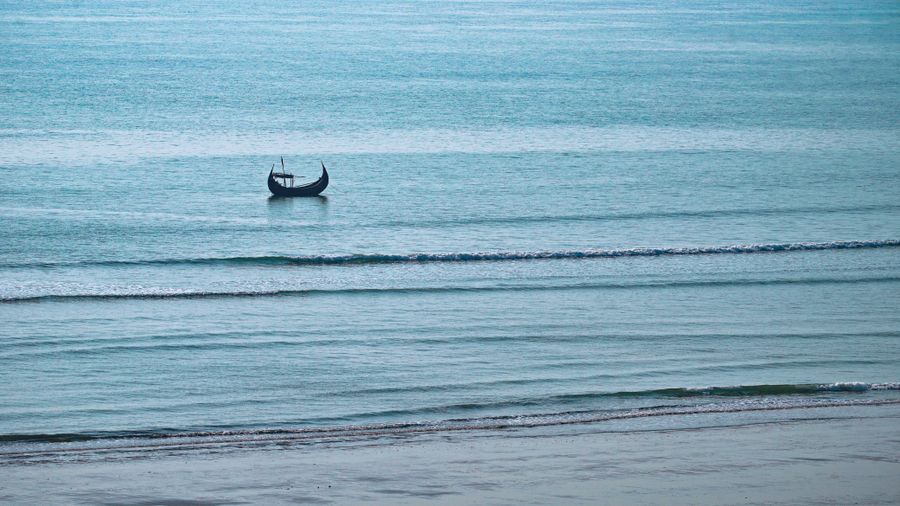
Questions about Teknaf
When does the St Martin’s Island ferry run?+
In the dry season only, roughly November to March, and subject to sea conditions and current regulations. Confirm locally before committing to a night in Teknaf.
Is Teknaf safe to visit?+
The town itself is a normal working port. The border area and the camp districts to the north are restricted — stay in town and on the main roads.
What is there to eat?+
The best-value seafood on the coast: whatever came off the boats that morning, grilled at the port-side stalls for a few dollars.