Why the Bay of Bengal bites back
Cox's Bazar's beach is 120 km of unbroken sand, but the sea is not a swimming pool. The Bay of Bengal here is shallow for a long way out, and that shallowness is exactly what makes it dangerous. Waves that have travelled from the Andaman Sea and beyond dump their energy onto the sandbar, then the water has to find a way back out. It does so in narrow, fast channels called rip currents. These are not the gentle sidewash you see in holiday photos; they can run at 2 metres per second, faster than an Olympic swimmer. Every year, usually between November and March, local newspapers report drownings — most often young men who went in after dark, or on a day when the red flags were up.
The shape of the beach makes it worse. Around the fishing neighbourhood of Fisherman's Beach, just north of the main strip, the sea bed drops away more steeply. At Sugandha Beach, in the middle of town, the sand is flatter but the rip currents are still there, especially at low tide when the water is squeezed between sandbars. The popular section at Kolatoli, where most hotels stand, has a long, shallow shelf, so weak swimmers feel safe, then get pulled out by a current they cannot see. The Bangladesh Inland Water Transport Authority and local police do not publish a daily current report, so your best defence is understanding the flags and the seasons before you book.
The flag system: what the colours actually mean
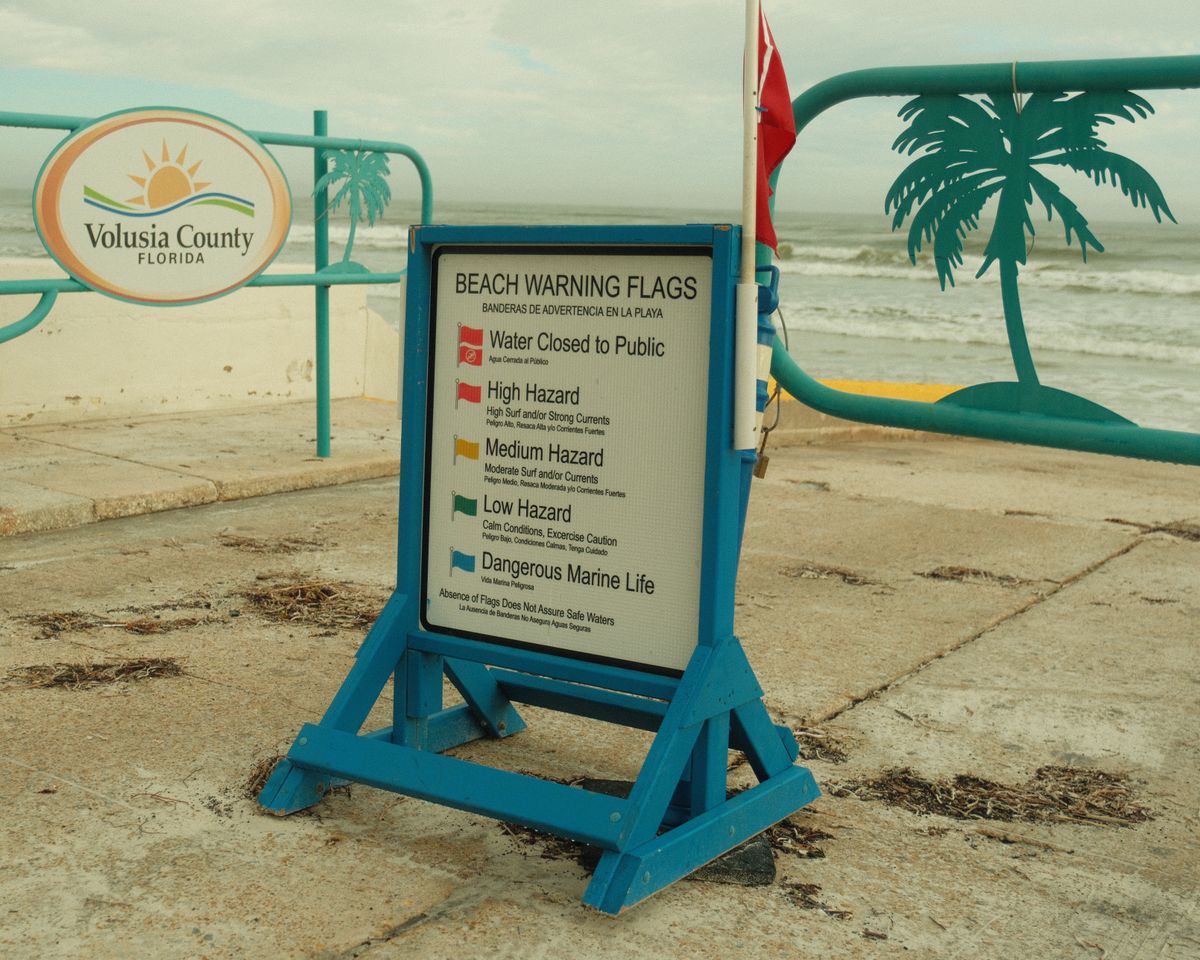
If you see a beach umbrella with a flag, it is not decoration. Cox's Bazar's seasonal lifeguard service, run by the district administration with support from the Bangladesh Red Crescent, uses a three-colour system on the few stretches it patrols. A red flag means no swimming: the current is too strong, the sea is too rough, or it is after hours. A yellow flag means you can go in waist-deep only, and you should stay within sight of the lifeguard tower. A green flag means swimming is allowed but still within the marked zone between the two flags. There is no flag for 'safe everywhere' — the green zone is maybe 50 metres wide, not the whole beach.
The problem is coverage. Lifeguards are usually stationed only at Kolatoli Point, in front of the main hotel cluster, and at Sugandha Beach, and only from around 8 am to 5 pm during the peak season (November to February). Outside those hours, and at Laboni Point, Himchari, Inani, and Patuartek, there is no patrol at all. If you are staying at a hotel in Kolatoli, you can walk to a guarded spot. If you are at Inani, 30 km south, you are on your own. The flags are also physical: a red flag on a bamboo pole stuck in the sand at the water's edge. If the pole is gone, the flag means nothing. Do not rely on a flag you saw yesterday.
Where the lifeguards actually are (and are not)
In the 2023-24 season, the district administration trained and deployed around 40 lifeguards for the entire 120 km beach. That is one lifeguard for every 3 km. They are concentrated at Kolatoli Point, near the huge 'Cox's Bazar' sign, and at Sugandha Beach, near the Burmese Market end. At Laboni Point, just south of Kolatoli, there is often a police post but no dedicated lifeguard. At Himchari, 18 km south, the beach is steeper and the currents stronger, but there is no regular patrol. At Inani, 30 km south, and Patuartek, 32 km south, you will see local fishermen and maybe a few vendors, but no lifeguard tower.
That means your swimming plan should start with where you sleep. If you are at a hotel in Kolatoli or Sugandha, walk to the guarded zone. If you are at a resort in Inani or Himchari, treat the sea as unguarded. The hotel staff may tell you it is fine to swim, but they are not lifeguards and they will not be watching you. The only exception is a handful of larger resorts that employ their own beach attendants, but these are not trained in rescue and do not have rescue boards or tubes. Ask at your hotel reception: 'Is there a lifeguard on the beach right now?' If the answer is vague, do not go in.
The months to stay out of the water
The safest months for swimming at Cox's Bazar are late November to late February. The sea is calmest, the sky is clear, and the lifeguards are on duty. Even then, check the flags every morning. From March, the sea starts to build. By April and May, the pre-monsoon winds kick up short, steep waves and the rip currents become more frequent. This is also when the heat is at its worst, so people are tempted to swim at midday when the lifeguards are on a break. Local advice is blunt: if the wind is blowing hard from the south or west, stay out.
The monsoon runs from June to September, and this is when you should not swim at all. The sea is rough, the beach is often closed by the district administration, and the lifeguard service is suspended. Even wading at the edge can be fatal: a single wave can knock you down and the backwash can pull you out. From October to mid-November, the tail end of the monsoon and the start of the dry season bring unpredictable swells. Fishermen will tell you the sea is 'turning'. If you are here in October, enjoy the beach from the sand, not the water. The same goes for the cyclone season in May and October-November; if a cyclone warning is issued, the beach is off-limits and police will move you on.
How to swim safely if you do go in
First, never swim alone. Second, never swim after dark — the lifeguards are gone, the flags are down, and the beach is unlit. Third, stay in the guarded zone at Kolatoli or Sugandha, and stay within waist-deep water. If you are a weak swimmer, do not go past your knees. If you are caught in a rip current, do not try to swim straight back to shore. Swim parallel to the beach until you feel the current release, then angle back in. Shout and wave one arm. Do not fight the current; you will tire. If you have a float, hold it. If you see someone else in trouble, do not jump in after them unless you are a trained rescuer. Throw them something that floats and call for help.
What would I do? I would swim only at Kolatoli Point or Sugandha Beach between 8 am and 5 pm, in the green-flag zone, between November and February, and I would keep my feet on the sand. I would skip swimming at Inani, Himchari, and Patuartek altogether, and I would never enter the water in the monsoon or after dark. A holiday is not worth a life. If you want to be in the water, use your hotel pool and walk on the beach. The Bay of Bengal is beautiful from the shore. Treat it with respect and it will not surprise you.
Questions, answered
Hotels in Cox’s Bazar
See all stays →Curated picks are coming — meanwhile, the live search covers every bookable property at the same price or better.