What to Expect on the Beach
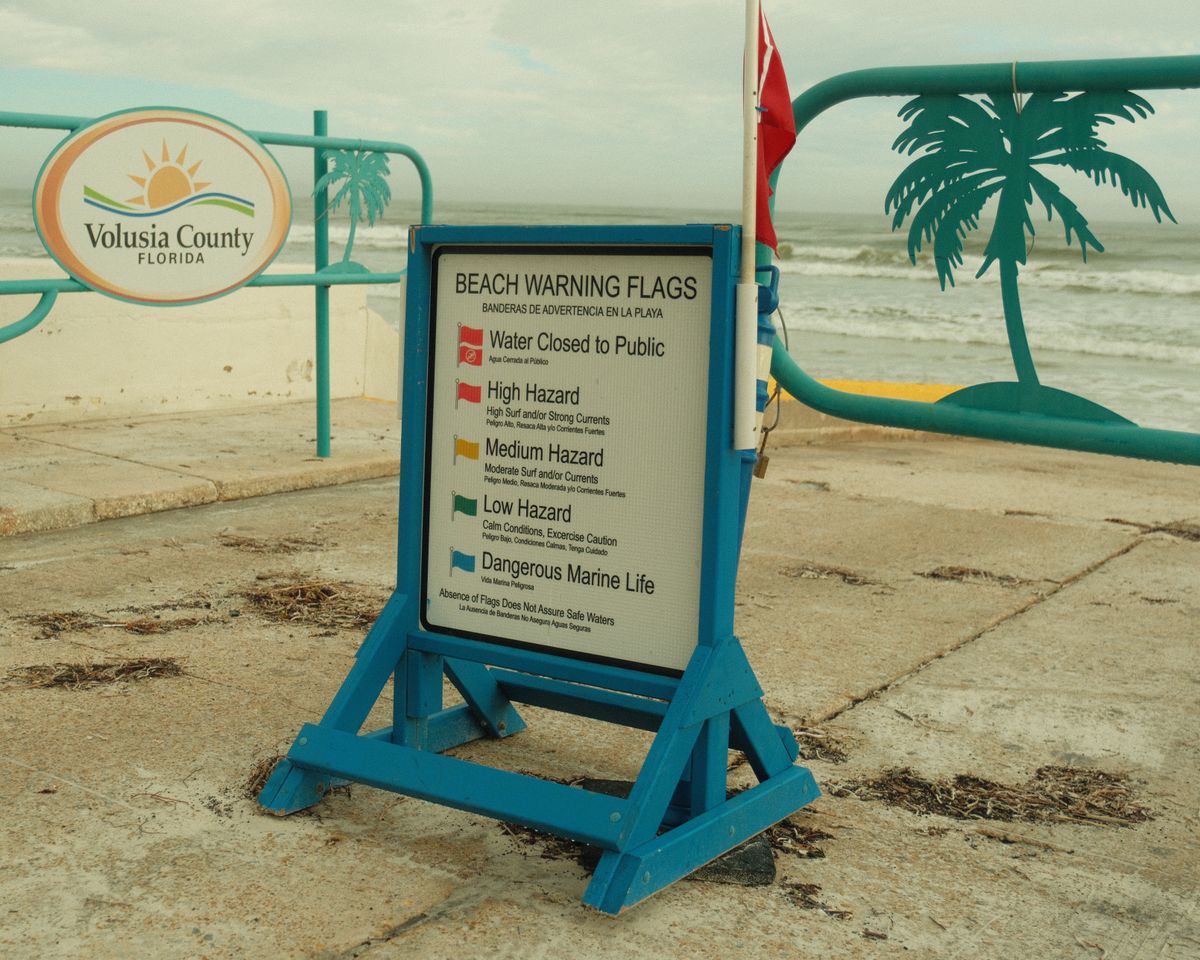
Cox's Bazar's main beach is a 120-kilometre strip of sand stretching from the town's Kolatoli Point down to Himchari and beyond. It is not a resort beach; it is a working coastline and a domestic holiday destination. On weekends and holidays, especially Friday and Saturday, it fills with families, groups of young men, and vendors selling dried fish, oysters, and horse rides. You will be looked at — not always discreetly — and you may be approached for selfies or conversation. This is rarely hostile, but it is constant. If you want solitude, walk 15–20 minutes north from Kolatoli toward Sugandha Beach, or head south past the fish processing yards near the Burmese market. Early morning, before 8 am, is the calmest and coolest time to swim or walk. Swimming is only safe in the flagged areas near lifeguard towers, and even then, currents can be strong; most local women do not swim in the sea, so a solo woman in swimwear will draw significant attention. I would swim only in the early morning, in a modest swimsuit with a cover-up, and stick to the busiest stretches.
The beach is also a thoroughfare. Fishermen haul nets, children play cricket, and vendors push carts of pineapple and boiled eggs. You will be offered henna, massages, and boat trips. A polite 'na' (no) and continued walking works. If you stop, you will be surrounded. The sand is firm near the waterline, making it easy to walk long distances, but the heat from 11 am to 3 pm is brutal; carry water, wear a hat, and use high-SPF sunscreen. There are a few shaded seating areas run by local hotels, but they are for guests. Public toilets are scarce; the cleanest are at the larger hotels or the Bangladesh Parjatan Corporation motel near Kolatoli. Expect to pay 20–50 taka (US$0.25–0.60) for a bottle of water and 100–200 taka (US$1.20–2.40) for a plate of rice and curry at a simple beachside stall. I would skip the horse rides and the sunset boat trips unless you are with a trusted group; they are not dangerous, but they are not restful either.
Dress and Behaviour in Town
Cox's Bazar is a conservative Muslim-majority town. Away from the beach, dress codes are modest: loose clothing that covers shoulders and knees is the norm for women. A salwar kameez or a long tunic with loose trousers is ideal — it is cool, respectful, and widely available. You can buy one at the Burmese market (near the fish harbour) for 800–1,500 taka (US$9.50–18) or at Aarong on Main Road for 2,500–4,000 taka (US$30–48). On the beach, you will see some Bangladeshi women in burkinis or full clothing, and a few foreign women in shorts and tank tops, but the latter attract stares. I would wear a light, long-sleeved shirt over a swimsuit and remove it only when swimming. In town, cover your head if you visit a mosque, and always remove shoes before entering. Men will often greet you with 'Hello, where from?' — a friendly response is fine, but you are not obliged to stop. If someone follows you or becomes persistent, walk into a shop or hotel lobby and ask for help. Public displays of affection are not acceptable, and LGBTQ+ travellers should be aware that same-sex relationships are illegal under Bangladeshi law. For solo women, the key is to blend in as much as possible while staying comfortable.
Getting Around After Dark
After sunset, Cox's Bazar's main roads are lit but not brightly; side streets and the beach become very dark. As a solo woman, you should not walk on the beach after dark. Even during the day, the beach is not patrolled, and there have been reports of harassment and theft in isolated stretches. In town, use CNGs (auto-rickshaws) or ride-hailing apps like Pathao and Shohoz, which are available in Cox's Bazar. A CNG from Kolatoli to the bus station (about 3 km) costs 100–150 taka (US$1.20–1.80); a Pathao bike is 60–100 taka (US$0.70–1.20). Always agree on the fare before getting in, or insist on the meter — though meters are often 'broken'. If you are out after 8 pm, take a CNG even for short distances. Shared taxis and tempos (local minivans) are cheaper but crowded and stop frequently; they are fine during the day but I would avoid them at night. If you are staying at a hotel in Kolatoli or Sugandha, the streets are busy until about 10 pm with food stalls and shops, so you can walk in those immediate areas. Beyond that, take transport. Keep your phone charged and share your live location with someone you trust. Hotel staff can call a trusted driver for you; use that service if you are unsure.
Easiest Areas to Stay
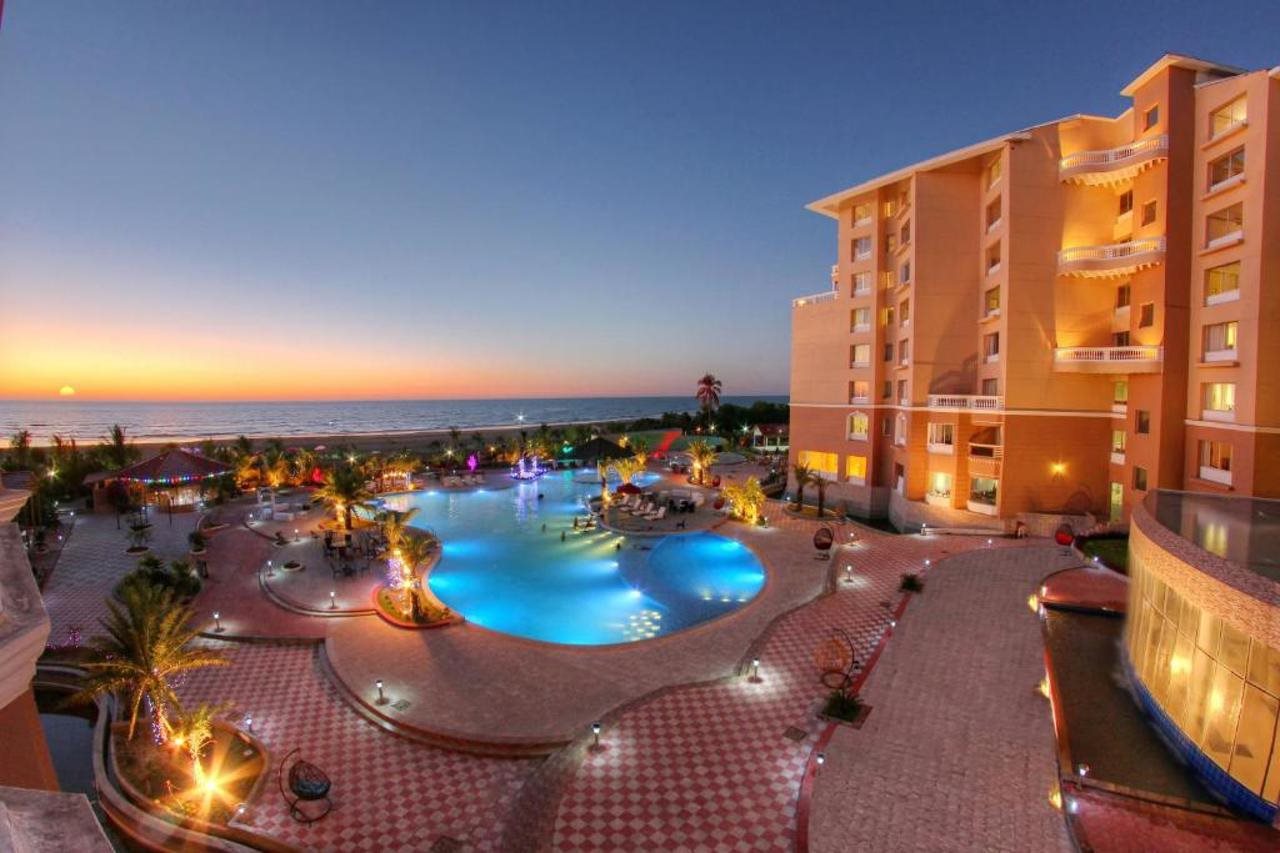
Kolatoli Point is the main tourist hub, with the highest concentration of hotels, restaurants, and shops. It is the easiest area for a solo woman because it is busy, well-lit, and has many options within walking distance. Hotels range from 1,500 taka (US$18) for a basic room to 8,000 taka (US$96) for a mid-range place with a pool. I would choose a hotel on or just off Main Road, not directly on the beach, to avoid late-night noise and unwanted attention. Sugandha Beach, about 2 km north of Kolatoli, is quieter and more residential; it has a few good hotels and a pleasant beach walk, but fewer street lights and restaurants. It is a good choice if you want peace but still want to be within a 50-taka CNG ride of the action. Himchari, 12 km south, is a national park area with a waterfall and viewpoints; accommodation is limited to a few eco-resorts and it is very quiet at night — I would not stay there solo unless I had my own transport and a confirmed booking. Inani Beach, 28 km south, is beautiful but remote; the nearby coral island of St Martin's is a day trip or overnight by boat (2 hours, 300–800 taka, US$3.60–9.60) but has very basic accommodation and no nightlife. For a first solo trip, I would base myself in Kolatoli, use it as a hub for day trips, and avoid staying in isolated beach huts.
Food, Money, and Practicalities
Cox's Bazar is a cash economy. ATMs are available at Dutch-Bangla Bank and BRAC Bank on Main Road, but they can run out of cash on weekends. Carry enough taka for two days; US dollars can be exchanged at the airport or at money changers near the bus station, but rates are better in Dhaka. Credit cards are accepted at larger hotels but rarely elsewhere. For meals, you can eat well for 200–400 taka (US$2.40–4.80) at local restaurants serving rice, dal, fish, and vegetables. Seafood is the specialty: try grilled pomfret or crab at a place like Jhowa Bazar (the fish market) where you can buy fresh fish and have it cooked nearby for 300–500 taka (US$3.60–6). There is no licensed alcohol in Cox's Bazar; do not expect it at hotels or restaurants. Drinking tea and chatting with locals is the social norm. If you have dietary restrictions, stick to freshly cooked food and avoid raw salads. Bottled water is widely available; I would avoid tap water even for brushing teeth. Pharmacies are common, but bring any specific medication you need. For internet, buy a local SIM from Grameenphone or Robi at the airport or in town; a 10 GB data package costs about 300 taka (US$3.60).
Questions, answered
Hotels in Cox’s Bazar
See all stays →Curated picks are coming — meanwhile, the live search covers every bookable property at the same price or better.