The Lay of the Land: Two Strips, One Long Beach
Cox's Bazar's beach runs unbroken for tens of kilometres, but almost every visitor ends up on one of two adjacent strips at the town end. Laboni Point sits at the southern end of the main beach road, the older, denser strip, with the beach a short walk down a lane from the hotels. Kolatoli Point lies about 2 km north along the same sand, beside the wide, well-lit Kolatoli Circle roundabout and the road toward the airport. They are close enough to walk between, and most people do at some point. But the two strips feel different enough that your choice will shape your trip more than any single hotel booking. Here is the practical difference.
The geography matters because it decides everything else: how far you walk to the water, where the buses and CNGs drop you, and how loud your room is at 11pm. Laboni grew up first, around the old beach-side hotels and the Burmese market lanes behind them. Kolatoli grew later, along a wider road, with bigger plots and more space between buildings. That single fact, older and tighter versus newer and roomier, drives the crowds, the prices and the noise. If you keep that in mind, the rest of this guide is just detail.
Both strips sit in the same town, so the sand, the sea and the sunsets are identical. You are not choosing between two beaches. You are choosing between two ways of staying at the same beach: the busy, walkable, slightly shabbier south, or the calmer, more spread-out, slightly pricier north.
Crowds: Laboni Is Busier, Kolatoli Breathes
Laboni is where the day-trippers land. The beach has a designated swimming zone with lifeguards, and the stretch in front of the strip fills from mid-morning with families, groups of teenagers and the inevitable photographers with horses and balloons. On a Friday or a public holiday the crowd is genuinely dense, hundreds of people in the water at once. Behind the beach, the lane to the hotels and the Burmese market area are shoulder-to-shoulder in the evening. If you want to feel a resort town, this is it; if you want to feel a beach, you may not.
Kolatoli is quieter by a clear margin. The beach is wider and the buildings further back, so people spread out instead of packing into one zone. The swimming area is there, but it never feels like a scrum. The Kolatoli Circle end is busy in its own way, with cars, rickshaws and street food carts, but the beach itself has room to walk. You can find a patch of sand to sit on without being in someone's photo. For a family with small children or anyone who dislikes crowds, Kolatoli wins comfortably.
My call: if you are here on a weekend or holiday and want quiet, book Kolatoli. On a normal weekday, Laboni's crowds thin enough to be pleasant, and the extra life is an asset. If your trip is short and you want to see the busy side, spend one evening at Laboni and sleep at Kolatoli.
Noise and Walkability: Two Different Trades
Noise is Laboni's weak point. The strip is tight: hotels, restaurants and shops packed along a narrow lane, with the main road close behind. Add generators, the call to prayer from nearby mosques, hawkers and traffic, and a front-facing room can be loud from early morning until late. Rooms at the back of the same hotels are much quieter for the same price. Check which side your window faces before you pay, and ask to see the room. Kolatoli's wider road and greater setbacks mean less noise even at the front, though rooms facing Kolatoli Circle get traffic and horns until the roundabout empties, usually by around 11pm.
Walkability is where Laboni is clearly better. Everything is on your doorstep: restaurants, pharmacies, the Burmese market, the beach lane and dozens of hotels. You can park your bags and not take a vehicle all day. Kolatoli is more spread out; the beach is a 5 to 10 minute walk from most hotels, and the cluster of restaurants is smaller, so you will likely take a CNG or rickshaw (Tk 30–60, about $0.25–0.50) for dinner or to reach Laboni. The footpath along the beach road is patchy in both areas; expect to walk on the road edge in places, especially after dark.
If you are travelling without a car and want to walk everywhere, stay at Laboni and accept the noise. If you have a car or don't mind short rickshaw rides, Kolatoli gives you space and quiet for a small daily transport cost.
Prices: Small Gaps, Real Savings
Prices differ, but less than you might expect. At the budget end, Laboni has the cheapest rooms: basic fan or AC doubles from Tk 800–1,500 ($7–13) a night in the low season, rising to Tk 2,000–3,500 ($17–30) in peak winter. These are older buildings, sometimes with thin mattresses and weak Wi-Fi, but the location is unbeatable. Kolatoli's budget options are fewer and start around Tk 1,200–2,000 ($10–17) low season, Tk 2,500–4,000 ($22–35) peak. Mid-range hotels are comparable in both areas: Tk 3,000–6,000 ($26–52) in peak season for an AC double with breakfast.
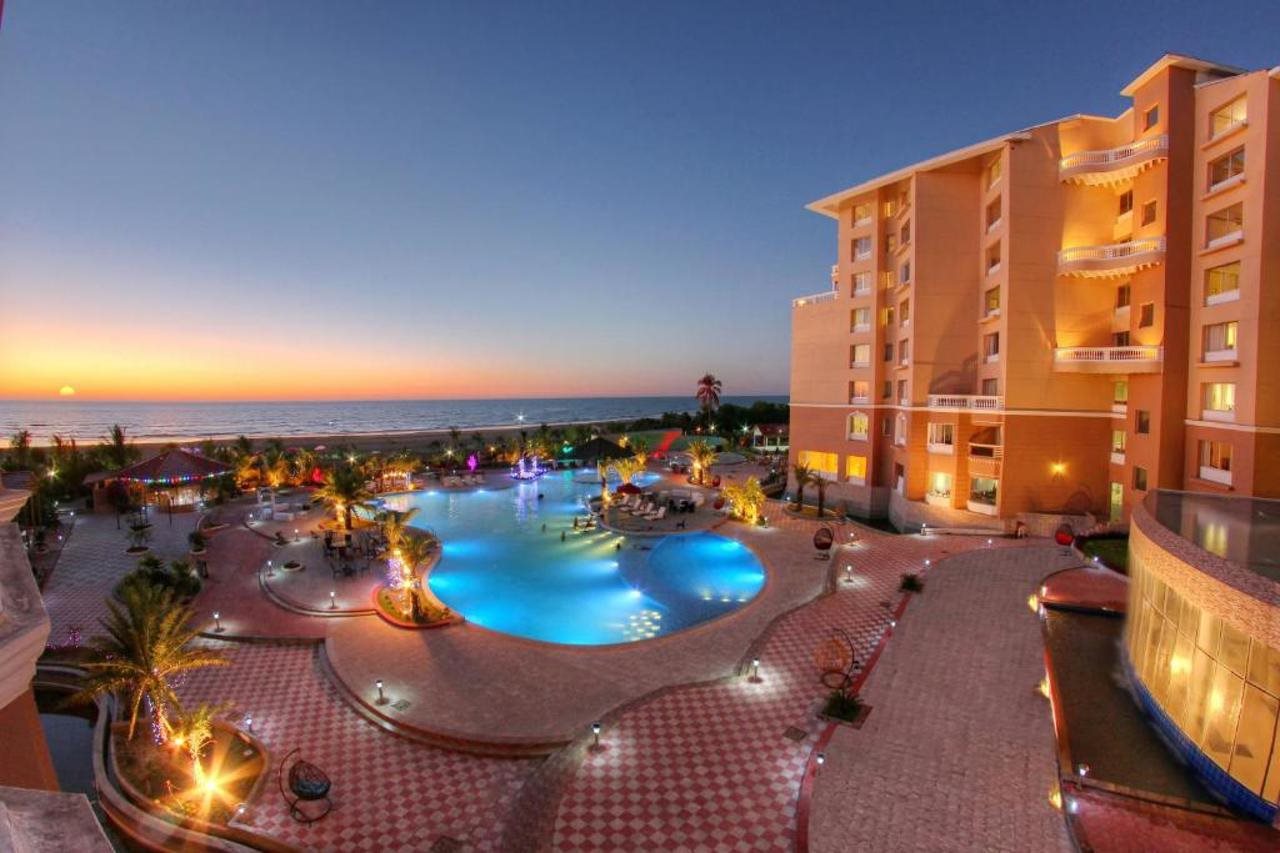
The real price difference is at the top. Kolatoli and the road toward the airport have the newer, larger hotels with pools, bigger rooms and sea-facing balconies, typically Tk 8,000–15,000 ($70–130) and up in peak season. Laboni has fewer of these, and they are older. Food is similar on both strips, with a plate of rice and fish or chicken from Tk 150–350 ($1.30–3) and a decent meal for two from Tk 700–1,200 ($6–10). Kolatoli's restaurants are slightly pricier, maybe 10–15%, because the clientele is more hotel-based.
Book early for December to February, when both strips sell out and prices double. In the monsoon months, rooms are cheap everywhere and you can negotiate; that is when Laboni's low-end value is hard to beat. If your budget is tight, Laboni; if you want a pool and a bigger room, Kolatoli; otherwise the gap is small enough not to decide your trip.
After Dark: Life, Light and Last Orders
This is a conservative Muslim-majority coast with almost no licensed alcohol. There are no bars on either strip, and no beach clubs. Evenings are about food, tea, walks and family time, not drinking. Keep that in mind and you will enjoy both strips more. Laboni after dark is the livelier of the two: the beach lane fills with people strolling, snack stalls, and restaurants serving until around 10 or 11pm. The Burmese market area has shops open late. It feels busy and safe, with plenty of other people around. The downside is noise and hawkers, and the beach itself is not lit, so swimming after sunset is not advisable.
Kolatoli's evenings are calmer. The Circle area has street food and tea stalls, and a handful of restaurants stay open until 10 or 11pm, but the beach road empties earlier. The beach is unlit here too, and the lifeguards are gone by late afternoon, so treat the water as off-limits after dark on both strips. Women travelling in groups report feeling comfortable on both, but Laboni's crowds give more of a sense of company; Kolatoli's quiet streets can feel empty after 10pm, so take a rickshaw rather than walk long stretches.
My advice: base yourself at Kolatoli for the night's sleep, and go to Laboni for dinner and a walk two or three times during your stay. If you want to step out of your hotel at 9pm and find a busy street immediately, stay at Laboni and ask for a room away from the road.
Questions, answered
Hotels in Cox’s Bazar
See all stays →Curated picks are coming — meanwhile, the live search covers every bookable property at the same price or better.