The Road: What You're Actually Driving
The Marine Drive between Cox's Bazar and Teknaf runs about 80 km along the coast, with the Bay of Bengal on your right and the hills of Ukhia and Teknaf on your left. The road is mostly two lanes with a rough shoulder, and the surface alternates between new asphalt and patched concrete. In the dry season (November to March) it's a straightforward drive; in the monsoon, expect standing water and occasional landslides near Himchari. There are no petrol stations after Cox's Bazar until you reach Teknaf town, so fill up before you leave. The speed limit is unofficial but the potholes enforce it; count on two hours each way without stops.
The drive starts just south of Kolatoli Beach, where the road leaves the hotel strip and hugs the coastline. You'll pass through fishing villages like Khurushkul and Chowfaldandi, where wooden trawlers are pulled up on the sand. The first 20 km to Himchari is the most developed, with small tea stalls and souvenir shops. After that, the road narrows and the hills come closer. You'll cross several wooden bridges over tidal creeks; some are single-lane, so honk before you go. Traffic is light on weekdays but heavy on Fridays and public holidays, when Bangladeshi families head to the beach.
If you're driving yourself, a motorbike or a small car is fine, but a 4x4 is better for the rough patches after Ukhia. The road is not lit at night, and there are few signs, so a daytime drive is essential. You'll share the road with CNGs, buses, and the occasional cow. Police checkpoints are common near Teknaf, where you may be asked for ID. Carry your passport or a photocopy if you're a foreigner. The drive is not about speed; it's about the views, the fishing villages, and the sudden stretches where the sea is right below the road.
Where to Stop: Beaches, Hills, and a Monastery
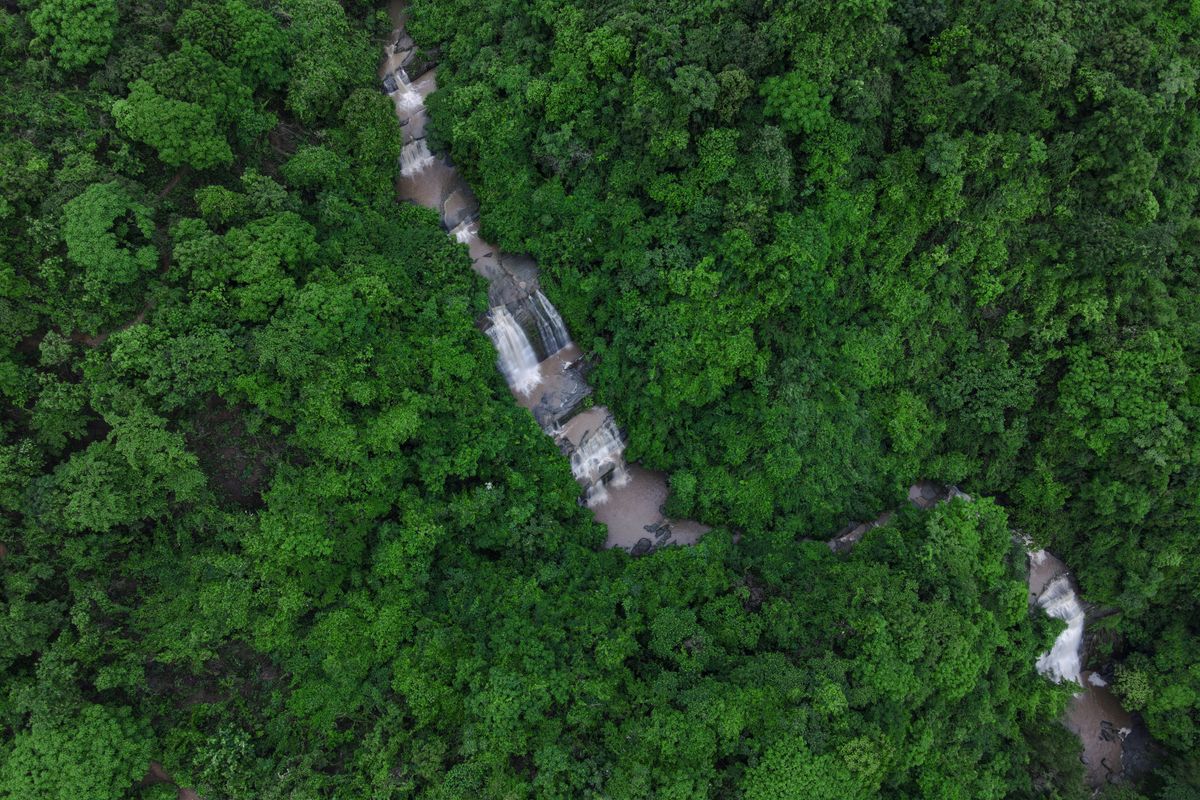
Himchari National Park, about 12 km south of Cox's Bazar, is the first proper stop. There's a small entrance fee (around 50 taka / $0.45) and a short walk to a waterfall that's best in the monsoon. The beach here is quieter than Cox's Bazar, but the current is strong, so swim only if you know what you're doing. Further south, Inani Beach is a long stretch of golden sand and coral stones, about 25 km from town. It's popular for day trips, so arrive before 10 am to avoid the crowds. There are a few local restaurants serving fresh fish and rice; a meal costs about 200–300 taka ($1.80–$2.70).
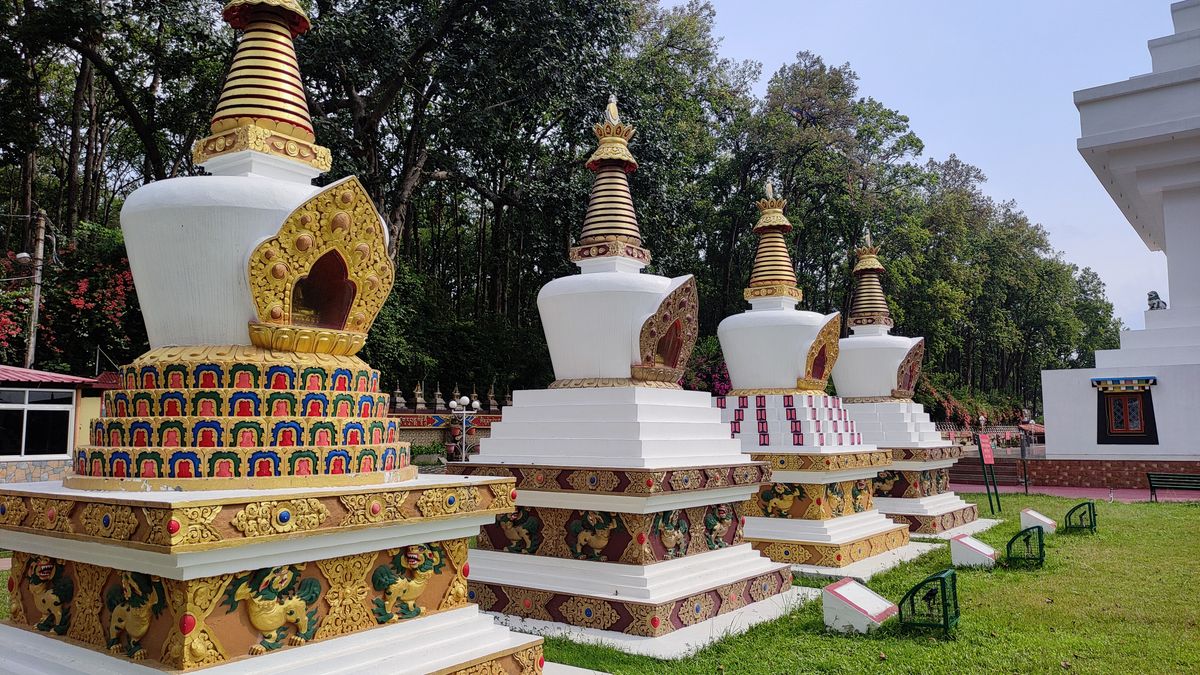
About 40 km in, you'll reach the turnoff for Ukhia, where you can detour to the Ukhia Buddhist Monastery, a small temple with a peaceful garden. It's not a major tourist site, but it's a good place to stretch your legs. The road then climbs into the hills, offering panoramic views of the coast. Near the 60 km mark, you'll pass the village of Whykong, where you can see salt fields and fishing boats. There's no formal car park; just pull over on the wide shoulder. The best stops are the ones you make yourself: a tea stall with a view, a fishing boat coming in, a group of children waving.
Teknaf itself is a gritty border town with a few sights: the Teknaf Landing Station for boats to St Martin's Island, and the nearby Himchari-Teknaf road's end at the Naf River, which separates Bangladesh from Myanmar. The riverbank is not a beach; it's a working port with cargo boats. You can walk along the embankment, but don't expect a resort. Most people turn around here or take a boat to St Martin's (a 2-hour ride, around 300–500 taka / $2.70–$4.50 one way). If you're not going to St Martin's, Teknaf is a logical turnaround point. There's a small market where you can buy dried fish and betel nut.
Costs: Car, CNG, or Motorbike
Hiring a private car with a driver for the day from Cox's Bazar costs 4,000–6,000 taka ($36–$54), depending on the vehicle and your bargaining. That usually includes fuel and the driver's lunch, but confirm before you set off. A CNG (auto-rickshaw) is cheaper: 2,000–3,000 taka ($18–$27) for a round trip, but it's open-sided and slower, and you'll get dusty. For a one-way trip to Teknaf, a CNG should be around 1,200–1,500 taka ($11–$14). Shared CNGs leave from the main bus stand in Cox's Bazar, but they wait until full, which can take an hour. If you're a couple or a small group, a private car is more comfortable and not much more per person.
Motorbikes are available for rent from several shops near Kolatoli Beach. Rates are 800–1,200 taka ($7–$11) per day, plus fuel (you'll use about 2 litres, costing 200 taka / $1.80). You'll need to leave your passport as deposit and show a driving licence. The road is manageable on a bike, but be careful on gravel and blind corners. Helmets are required by law, though enforcement varies. If you're not confident on two wheels, don't do it; the Marine Drive is not a place to learn. For a group of four, a car is the best value. For two, a CNG is fine if you don't mind the noise.
There are no tolls on the Marine Drive. Parking at Himchari and Inani costs 20–50 taka ($0.20–$0.45). Food and drinks: a bottle of water is 20 taka ($0.20), a plate of rice and curry 150–250 taka ($1.40–$2.30), and a coconut 50 taka ($0.45). Bring small notes; change is scarce. If you're staying overnight in Teknaf, budget hotels cost 1,000–2,000 taka ($9–$18) per night, but most are basic. I'd recommend returning to Cox's Bazar for better accommodation. Always agree on the total price before you get in, and don't pay until you're back if you've hired a round trip.
Light and Timing: When to Go
The best light on the Marine Drive is early morning, from 6:30 to 9:00, when the sun is low and the sea is calm. The fishing boats are coming in, and the hills are soft. If you leave Cox's Bazar by 7 am, you'll have the road mostly to yourself and reach Inani before the day-trippers. The midday sun is harsh and the views flatten; plus, it's hot. The second-best time is late afternoon, from 4:00 to 5:30, when the light turns golden, but you must be back before dark. Sunset is around 5:30–6:00 in winter and 6:30 in summer. Do not attempt to drive back after sunset; the road is unlit, and the curves are dangerous.
If you're photographing, the stretch between Himchari and Inani faces west, so afternoon light is good for shooting the beach. The hills between Ukhia and Teknaf face east, so morning light is better there. For a full day, leave at 7 am, drive to Teknaf with stops, have lunch, and start back by 3 pm. That gives you plenty of buffer. On Fridays, traffic is heavier, so leave earlier. During Ramadan, the roads are quiet in the morning but busy before iftar. Avoid the Eid holidays unless you like crowds; the beach at Cox's Bazar is packed, and the Marine Drive becomes a slow crawl.
Weather matters. The dry season (November to February) is cool and clear, with temperatures 15–25°C. March to May is hot and humid, up to 35°C. The monsoon (June to September) brings rain, rough seas, and occasional road closures. I'd skip the drive in heavy rain. If you're here in the monsoon, check with locals about the road condition before you go. The best months for the drive are December and January. Whatever the season, carry water, sunscreen, and a hat. There are few shops after Inani, so buy snacks in Cox's Bazar. And remember: the Marine Drive is a road, not a race track; take your time.
Why You Must Be Back Before Dark
The Marine Drive has no streetlights, and the road is bordered by steep hills on one side and the sea on the other. After sunset, it's pitch black. There are no reflectors on the curves, and you'll be sharing the road with trucks and buses that often drive with high beams. Accidents are not rare. The police advise against night travel, and many rental drivers refuse to go after 6 pm. If you're on a motorbike, it's worse: potholes are invisible, and stray dogs and cows wander onto the road. You might think you can handle it, but the risk isn't worth it. Plan your day so you're back in Cox's Bazar by 5:30 pm.
There's also the security situation near Teknaf. The border area with Myanmar has seen tensions, and there are checkpoints. In the past, there have been reports of robberies on the road at night. It's uncommon, but why take the chance? If you're staying in Teknaf overnight, choose a hotel in the town centre and don't wander after dark. For most visitors, a day trip is enough. If you find yourself running late, stop at a tea stall and ask the owner to call a local driver who knows the road. Don't speed. The last 20 km into Cox's Bazar is the busiest, with CNGs and pedestrians.
My advice: treat the Marine Drive as a daylight activity. Start early, finish early. If you want to see sunset, watch it from Cox's Bazar beach or from a rooftop restaurant in town. The drive itself is the attraction, not the destination. And if you're hiring a car, tell the driver you want to be back by 5 pm. Most will agree. If they don't, find another driver. The extra 500 taka ($4.50) you might pay for a reliable driver is worth it for the peace of mind. The Marine Drive is one of the most beautiful coastal roads in Asia; don't ruin it with a night-time emergency.
Questions, answered
Hotels in Cox’s Bazar
See all stays →Curated picks are coming — meanwhile, the live search covers every bookable property at the same price or better.