Catching the Boat at Cox's Bazar Jetty
Moheshkhali sits across a narrow channel from Cox's Bazar, close enough that you can see the low green line of it from the beach on a clear morning. Boats leave from the fish jetty area near the main beach, not from the tourist strip itself, so you need a short CNG auto-rickshaw ride (around 150-200 taka, about $1.40-1.80) from Kolatoli or Sugandha. Go early. The channel is calm in the morning and boats fill fast; by 9am the good light for the temple is gone anyway.
There are two ways across. The speedboat (locally called a 'speed boat' or trawler-taxi) takes about 20-30 minutes depending on the landing point and costs roughly 2,000-3,000 taka ($18-27) for a full boat if you charter it, or 200-300 taka ($1.80-2.70) per person if you share. The local ferry, a slower wooden vessel, takes 45-70 minutes, costs 30-60 taka ($0.25-0.55), and leaves when it is full rather than on a schedule.
I would take the shared speedboat out and the local ferry back. The speedboat buys you the cooler morning hours on the island, and the ferry return gives you the crossing at a price that will not make you wince. What I would skip: anyone at the jetty offering a 'full package' including a car on the island and a guide. The island roads are flat and short; you can hire a CNG or a motorbike once you land for a fraction of that.
The boat ride itself is worth the fare. You pass fishing trawlers, bundles of bamboo, salt bags stacked on the far shore, and the water shifts from grey-brown to a cleaner green as you cross. If you are prone to seasickness, the speedboat is the better choice; the ferry rolls more than you would expect in a channel this narrow.
Getting Around: CNG, Motorbike and the Long Way Round
Moheshkhali is about 30 kilometres long and 12 kilometres wide at its broadest, linked to the mainland at the northern end by a bridge these days, though most visitors still come by water. From the main landing jetties on the western side, the island's one main road runs south past salt pans, betel groves and village bazaars. A CNG from the jetty to the Adinath temple area takes about 25-35 minutes and costs 400-600 taka ($3.60-5.40) one way, depending on your bargaining.
Motorbikes are everywhere and can be hired with a rider for around 800-1,200 taka ($7-11) for a half day. This is the best way to see the salt pans, which sit in flat, blinding-white grids beside the road, and the betel groves, where the vines are grown up betel-nut palms on bamboo frames and the leaves are picked in the cool of the morning. If you want to stop often for photographs, a motorbike beats a CNG because the driver can pull over anywhere and wait without running a meter.
What I would skip: trying to 'do' the whole island in one day. The distances look small on a map but the roads are narrow, shared with bicycles and cows, and a 30-kilometre round trip eats three hours. Pick the temple, one salt-pan stretch and one betel village, and leave the rest. There is no bridge toll issue here; the cost is all in the vehicle hire and your time.
The Adinath Temple Climb
The Adinath temple sits on top of a hill at the southern end of the island, a short, steep climb of 10-15 minutes up stone steps. It is an old Hindu temple, its stone doorway and carved lintel weathered to the colour of ash, and it is one of the few old structures on the coast that has survived both cyclones and time. The view from the top is the real reward: you look back down over the channel to Cox's Bazar, the coastline running north, and the salt pans catching the light below.
There is no ticket booth and no opening clock in any official sense; the temple is a working place of worship and you visit it as a guest. Women should carry a scarf; shoes come off before the inner steps. There is usually someone at the top who will tell you the temple's history and point out the carved figures on the doorway, and a small donation of 50-100 taka ($0.45-0.90) is appropriate if you take their time. Photography is fine outside, but ask before photographing anyone at prayer or worship.
The climb is the one part of the day that demands a little effort, and it is worth timing. Go before 10am or after 4pm; by midday the steps hold the heat and the hill blocks what little breeze there is. I would not skip this. It is the reason most people come to Moheshkhali, and the temple plus the view together take under an hour. Bring water; there is nothing to buy on the way up.
Salt Pans, Betel Groves and the Working Island
Salt is one of Moheshkhali's main crops. From roughly November to April, the pans are worked: seawater is let into shallow beds, evaporated by sun and wind, and raked into white mounds by workers who are on the pans from dawn. The pans are private working land, not a tourist site. You can stop on the road and watch and photograph from the edge, but do not walk into the beds; you will disturb the salt and the people raking it. A hand of bananas or a bottle of water offered to the workers is a better gesture than money.
Betel leaf is the other crop that defines the island's look. The groves are orderly in a way the rest of the island is not: betel-nut palms in rows, with the betel vine climbing bamboo and the leaves harvested young. If you ask at a village shop, someone will usually show you the picking and packing. A bundle of leaves sells for 50-150 taka ($0.45-1.35) depending on quality and season, and you will see them stacked in damp cloths at every market on the way back.
The dried fish is harder to avoid than to find. It is laid out to dry on bamboo racks and on the bare ground along parts of the coast, and the smell reaches you before the sight does. It is the island's oldest industry and the reason the ferry jetties are as busy as they are. What I would skip: buying dried fish at the first stall you see near the landing. Prices are higher there; buy at a village market inland or on your way back to the jetty, and expect to pay 200-500 taka ($1.80-4.50) for a good-sized bundle of the better-grade fish.
How Long the Trip Really Takes
A realistic Moheshkhali day trip from Cox's Bazar is seven to nine hours door to door. That breaks down as: 20-30 minutes to the jetty by CNG, 20-30 minutes across by speedboat, 25-35 minutes to the temple by CNG, an hour at the temple and the climb, an hour or so for salt pans and a betel village, 30-40 minutes stuck in the island's slow traffic, and the ferry crossing back (45-70 minutes) plus the ride home. Start at 7am and you will be back on Cox's Bazar beach by late afternoon.
If you try to compress this into half a day, something gets cut, and it is usually the part you came for. The people who look miserable at the temple are the ones who arrived at noon after a rushed morning and have a ferry to catch. The people who enjoy it left early, went up the hill first, and ate lunch on the island at a village restaurant (rice, dal, fish, 150-250 taka, $1.35-2.25) instead of racing back.
What I would do: leave Cox's Bazar at 7am, speedboat out, temple before 10am, salt pans and betel on the way back, lunch at a village bazaar, local ferry back mid-afternoon. What I would skip: a same-day trip that also tries to include Sonadia island or a beach stop. Moheshkhali alone is a full day. Add Sonadia only if you are staying overnight on the island or coming back the next morning, and even then check the boat situation before you commit.
Practical Notes Before You Go
Cash only. There are no reliable ATMs on Moheshkhali, so bring everything you need in taka from Cox's Bazar. A sensible day budget per person, excluding your hotel, is 800-1,500 taka ($7-14) if you share boats and vehicles, and 3,000-4,000 taka ($27-36) if you charter a speedboat and a CNG for the day. Keep small notes for ferry fares and temple donations.
Dress for a conservative Muslim-majority island. Loose trousers or a long skirt, shoulders covered, and a scarf for women is right for both the village roads and the temple. There is no licensed alcohol anywhere on the island or in Cox's Bazar, and there is nowhere to buy it; do not ask. Food is rice, fish, dal and vegetables, and the small bazaar restaurants are reliable and cheap.
The weather decides everything. The good season is November to March: dry, breezy, salt pans working, roads firm. From late April the heat and humidity build, and the monsoon from June to September can make the channel rough and the ferry crossing unpleasant or, in a bad year, suspended. Check the sea before you set out, and if the boat operators at the jetty are hesitating, take that seriously. The island is close, but it is still an island.
Sonadia and Other Add-Ons
Sonadia island lies just north-east of Moheshkhali and is reached by a further boat ride from the island's eastern side, not from Cox's Bazar directly in most cases. It is a low, sandy island with mangroves, a long empty beach and almost no settlement, and it is genuinely beautiful in the dry season. The problem is the connection: boats are irregular, the crossing depends on tide and weather, and there is no scheduled service. You need to ask at the Moheshkhali jetty on the morning itself, not book ahead online, because there is nothing to book.
If the boat is going and the sea is calm, the round trip from Moheshkhali takes three to four hours including time on the sand, and it costs whatever you agree with the boatman, typically 1,500-3,000 taka ($13-27) for the boat. That pushes your total day to ten or eleven hours, which is only realistic if you started early and are not catching a bus or flight that evening.
My honest advice: do Moheshkhali properly first. Come back for Sonadia on a second day, or stay a night on Moheshkhali at one of the small guesthouses near the jetty (1,000-2,500 taka, $9-22) and do Sonadia the next morning. What I would skip is the rushed version where you see the temple through a boat window and Sonadia from the deck. Both places deserve better than that, and the sea does not care about your schedule.
Questions, answered
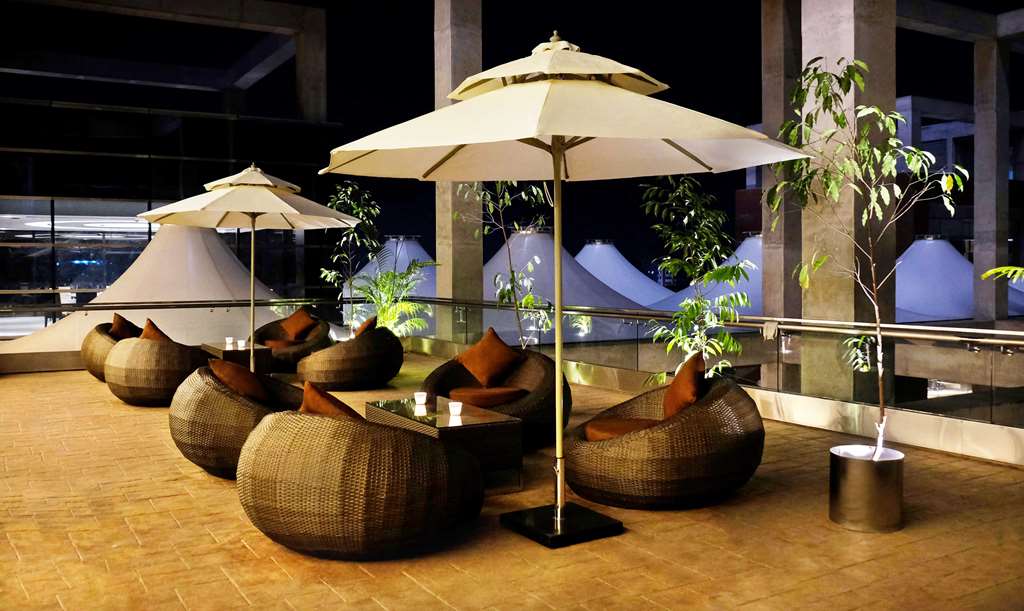
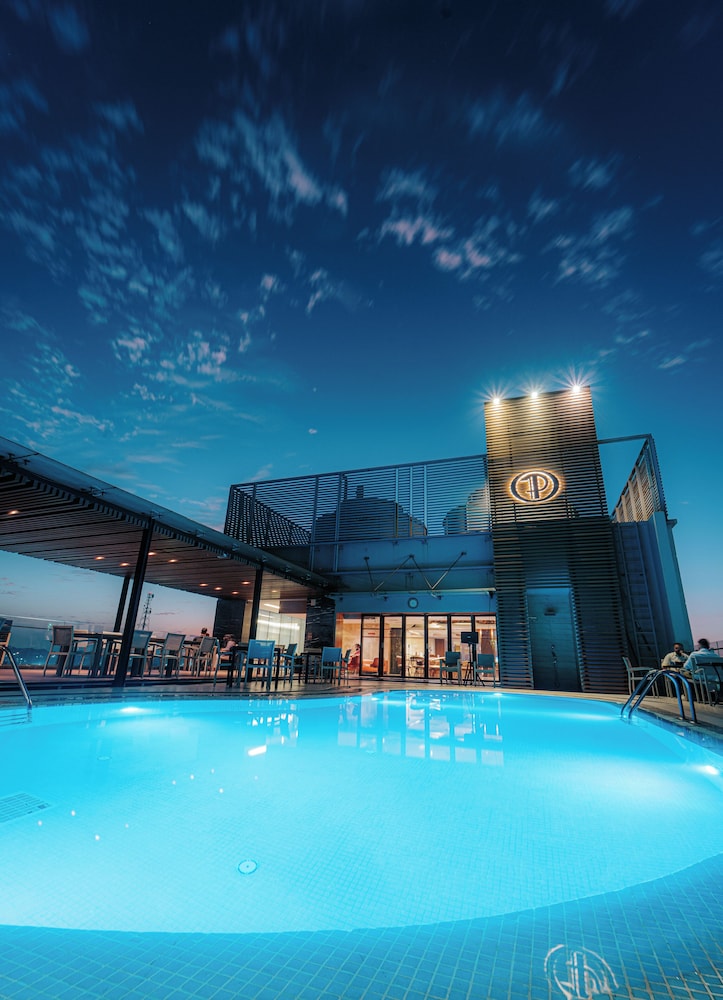
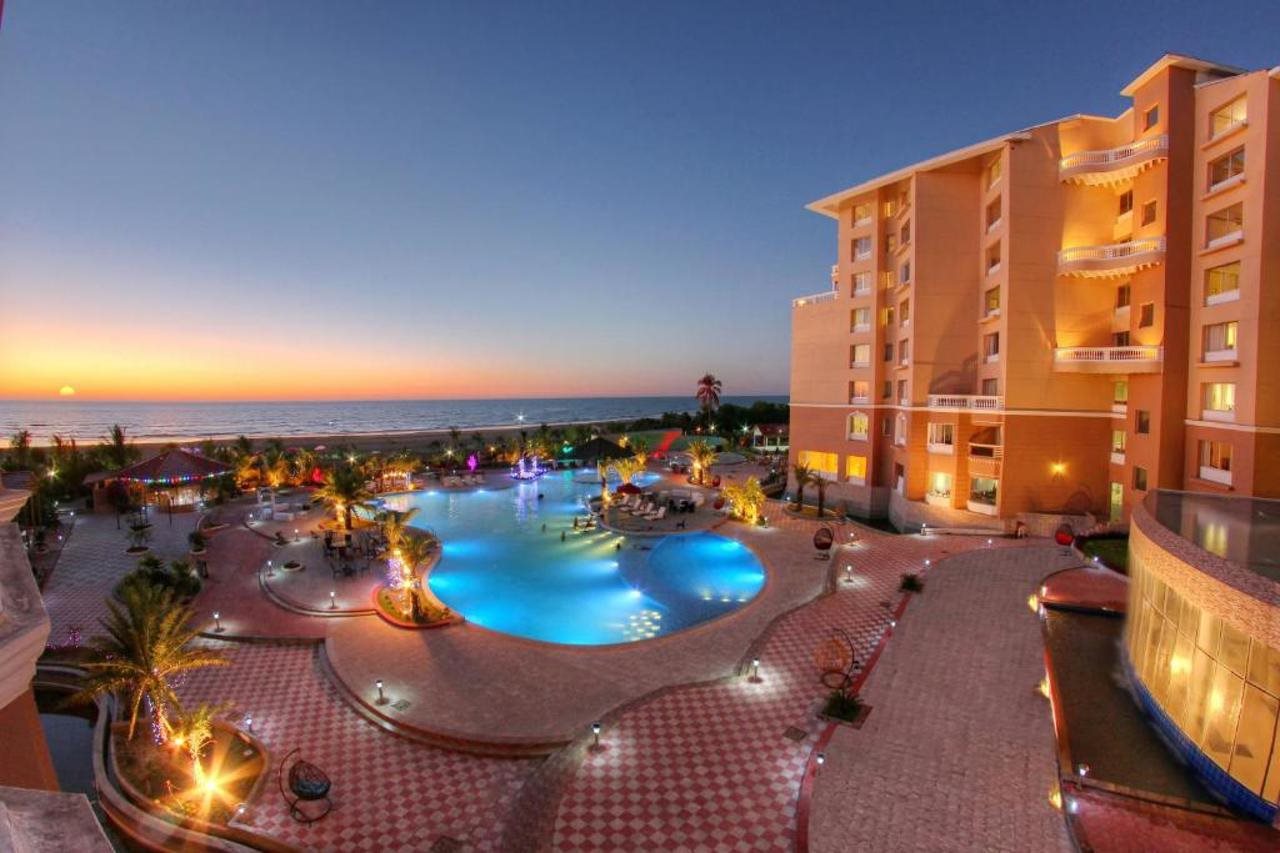
Hotels in Cox’s Bazar
See all stays →Curated picks are coming — meanwhile, the live search covers every bookable property at the same price or better.