Sun: the beach is five kilometres of reflector
Cox's Bazar beach runs unbroken for about 5 kilometres from Kolatoli to Himchari Road, and the sand is pale enough to bounce light back at you from below. Between November and March the UV index on a clear midday sits at 8–10, and the sea breeze makes it feel milder than it is. Pack a high-factor, water-resistant sunscreen (SPF 50), a wide-brimmed hat, and polarised sunglasses. You will not find reliable high-SPF sunscreen in the local shops; the tube you bring is the tube you have. A light cotton scarf doubles as neck cover and, later, as modest dress.
For the water itself, reef shoes or old trainers beat flip-flops. The first 30–40 metres off Kolatoli are gentle, but at Himchari and Inani the slope steepens and the undertow is real; between November and February lifeguards are scarce. A rash vest protects your shoulders during long swims and dries in twenty minutes. Bring a dry bag for your phone — a 10-litre roll-top costs about ৳800 (US$7) in Dhaka, and double that in the hotel gift shops here. Skip the cheap inflatable rings sold on the sand; they puncture by lunchtime.
Modesty: cover up, and you will be treated better
Cox's Bazar is a conservative Muslim-majority town. On the main beach near Kolatoli you will see Bangladeshi families in full dress and a handful of foreign tourists in swimwear; the foreign women in one-piece swimsuits with a sarong wrapped from waist to knee attract no comment. Further south at Sugandha Beach and the fishing ghats, cover your shoulders and knees. For men, shorts that stop above the knee look out of place in the markets and the mosques. A light long-sleeved shirt and loose trousers (a punjabi or a simple cotton kurta) will keep you cool and let you walk anywhere without feeling watched.
Women should pack at least one scarf or stole. You will want it for the Ma Thin Myaing and other Burmese temples, for the crowded Kutubdia Para area, and for the ride to Himchari when the open jeep throws dust. A cotton or linen scarf costs ৳300–600 (US$2.60–5.30) locally, but the ones in the Burmese Market are thinner and dye-run; bring one from home if you care about colour. For the beach, a swimsuit under a quick-dry tunic works better than a hotel towel, which is bulky when wet. Do not plan on buying modest swimwear here — it does not exist in the local shops.
Monsoon and the wet-season kit list
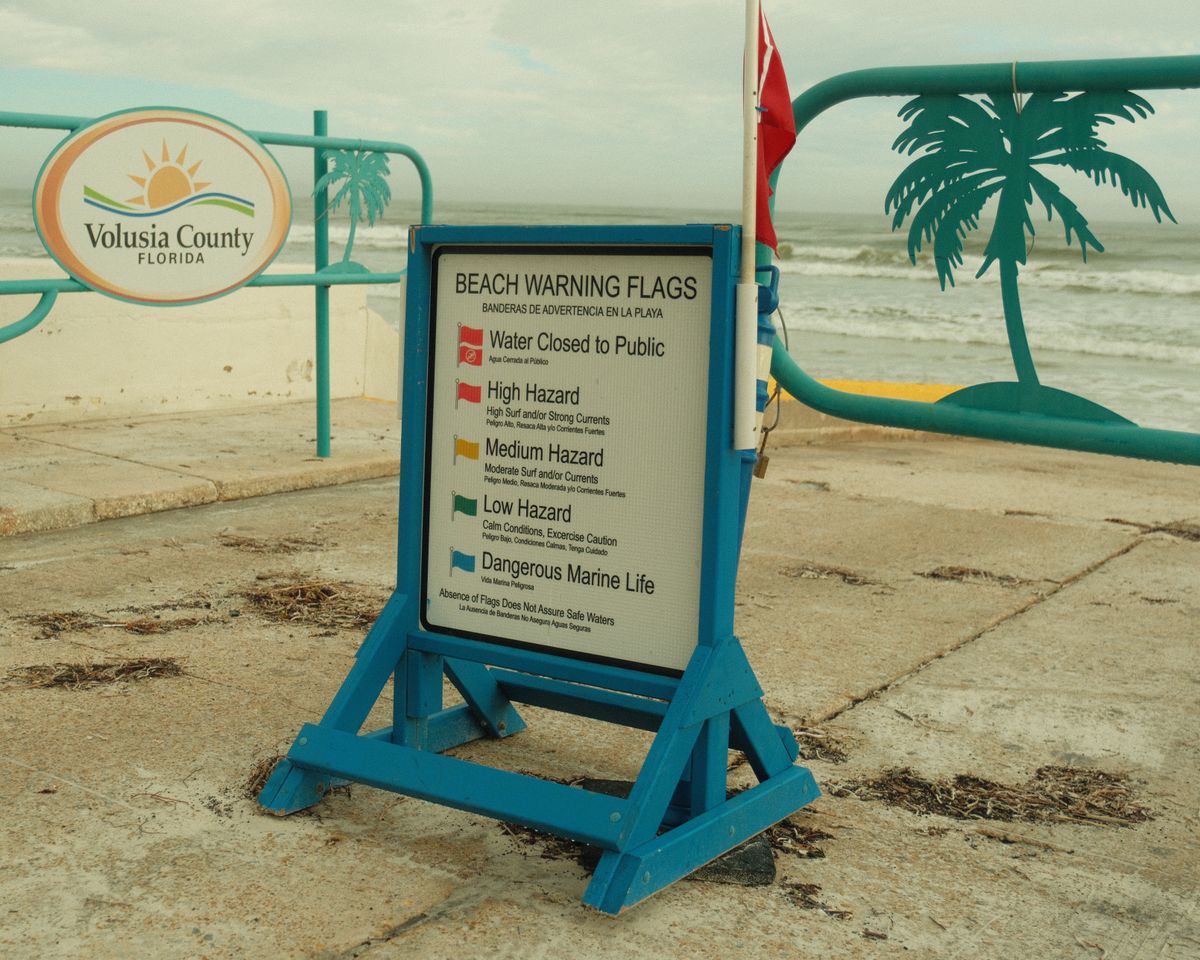
The monsoon runs from late May to early October. In July and August, Cox's Bazar gets 700–900 mm of rain and the sea is closed for swimming most days — red flags fly from Kolatoli to Himchari, and the lifeguards will wave you out. If you are travelling in this window, pack a proper rain jacket rather than an umbrella; the wind on the beach inverts umbrellas within minutes. A dry bag for your electronics, a spare pair of sandals that can get soaked, and quick-dry trousers are essential. Hotel air-conditioning plus wet clothes equals a damp room; a couple of plastic bags for wet swimwear help.
The upside of monsoon packing is that you need less sunscreen and more mosquito repellent. Standing water around the hotel gardens breeds mosquitoes from June to September; bring a DEET-based repellent (20–30%) and a plug-in for the room if you are sensitive. Antihistamine cream for sand-fly bites is useful on the quieter stretches south of Inani. A small torch is worth its weight — power cuts are less common than they were, but they still happen in the smaller guesthouses at Bakkhali and Ramu Road. Skip the heavy hiking boots; the ground is sand or paved, and they will never dry.
What is expensive locally (and what to bring instead)
Imported toiletries and pharmacy items carry a heavy mark-up. A 50 ml bottle of branded sunscreen that costs ৳1,200 (US$10.50) in Dhaka can be ৳2,000–2,500 (US$18–22) in the hotel shops along Kolatoli Road. Oral rehydration salts, paracetamol, and antiseptic cream are cheap and widely available at Lazz Pharma and other chemists in the main town, so do not overpack those. What you should bring from home: any prescription medicine, contact lens solution, tampons (rare outside Dhaka), and a decent razor. Tampons in particular are hard to find in Cox's Bazar; the pharmacies usually stock pads only.
Electronics accessories are another trap. A spare phone charging cable costs ৳150–250 (US$1.30–2.20) in the Burmese Market, but the quality is poor and they fail within weeks. Bring a spare cable and a power bank. A local SIM from Grameenphone or Robi costs about ৳200 (US$1.75) for the SIM plus a data pack; you will need your passport and a photograph. Hotel Wi-Fi is slow everywhere except the large resorts, so if you need to work, a local SIM with 20 GB is a better investment than any gadget you can buy here.
What is cheap in the Burmese Market — and what to skip
The Burmese Market, centred on Cox's Bazar's main town near the Bazar Road and the fishing ghat, is where you buy the things you forgot. Cheap and genuinely useful: cotton scarves and lungis (৳250–500 / US$2.20–4.40), flip-flops (৳150–300 / US$1.30–2.60), small dry bags (৳400–700 / US$3.50–6.20), and beach mats (৳200–350 / US$1.75–3.10). Local sunscreen exists but is low-SPF and heavily perfumed; test it on your arm before you buy. A wide-brimmed straw hat is ৳200–400 (US$1.75–3.50) and works fine for a week. Shan-style cotton shirts and Burmese longyis are the best-value clothing buys, usually ৳400–900 (US$3.50–7.90).
Skip the electronic accessories — cables, chargers, earbuds — unless you are desperate. They are cheap but fail fast, and there is no returns culture. Also skip the packaged 'souvenir' shells and dried fish unless you know how to cook them; the smell will follow you home. Do buy the local dried fish if you have a kitchen and a sealed bag. For cash, bring enough taka; ATMs in Cox's Bazar are limited and often empty, and the Burmese Market stalls do not take cards. A useful rule: if you would not buy it in Dhaka, do not buy it here just because it is ৳50 cheaper.
The two-bag strategy that actually works
Pack one small day bag and one larger bag, and keep the day bag with you on the bus or the flight from Dhaka. The bus from Dhaka to Cox's Bazar takes 10–12 hours on the new expressway; the train to the new station at Cox's Bazar is faster and more comfortable but books out days ahead in peak season (November–February). In the day bag: sunscreen, a scarf, a hat, a spare shirt, your medicines, and a photocopy of your passport. The rest can go underneath. Do not check a bag you cannot live without for 24 hours; domestic baggage handling is not gentle.
What you wear on the journey matters. Buses are cold, so a light fleece or long-sleeved shirt is useful even in summer. Trains on the Cox's Bazar route have both AC and non-AC classes; the AC class is worth the extra ৳300–500 (US$2.60–4.40) in monsoon humidity. Once you arrive, the hotel will usually have a place to rinse and dry swimwear. If you are staying at a guesthouse in Kolatoli or Bakkhali, expect a bucket and a line, not a dryer. Pack two swimsuits if you plan to swim twice a day — nothing dries overnight in the monsoon, and a wet swimsuit next to your clothes will make everything smell of salt and damp.
Questions, answered
Hotels in Cox’s Bazar
See all stays →Curated picks are coming — meanwhile, the live search covers every bookable property at the same price or better.