The one cultural stop that justifies the detour
Ramu is the Rakhine Buddhist heart of the district: monasteries, prayer flags, workshops turning out bronze and lacquer, and the Aggameda Khyang temple complex, which is the single most rewarding non-beach sight in the region. It sits in a green valley half an hour inland, and feels like a different country from the beach strip.
There are only a few places to sleep, all simple, and no reason to book one unless you specifically want a monastery-side morning. Most visitors come for three or four hours and return to the coast for dinner.
A Rakhine Buddhist valley, half an hour inland
Ramu lies sixteen kilometres east of Cox’s Bazar on the Chittagong road, in a green valley of rice fields and betel gardens. It is one of the oldest Rakhine Buddhist settlements in Bangladesh, and the density of monasteries, pagodas and religious workshops in and around the village is unlike anywhere else in the district. Coming from the beach strip, the change of atmosphere within thirty minutes is the most striking thing about the trip: prayer flags instead of hotel signs, and near-silence in the middle of the day.
The anchor is the Ramu Aggameda Khyang monastery complex, a raised timber prayer hall on carved pillars with a collection of bronze and stone Buddha images, some of them centuries old, and a working monastic community around it. Several smaller kyangs stand within walking distance, and the village has a long tradition of producing religious bronzes, lacquerware, handloom cloth and cigars.
Ramu is also where the district’s harder recent history is visible: the Buddhist community here was attacked and temples burned in 2012, and much of what you see has been rebuilt since. Visitors are welcomed warmly, and a little awareness of that context goes a long way.
What to see, and how to behave while seeing it
Half a day covers the village comfortably. Start at the Aggameda Khyang complex, allow an hour, then walk or ride between the smaller monasteries and the craft workshops — the bronze casters and lacquer workers will usually let you watch and will sell directly, at prices well below the Burmese Market in town. The weaving sheds produce the striped Rakhine cloth used for thami skirts, and a length of it is the best souvenir in the district.
Etiquette is straightforward and matters. Shoes and socks off before entering any prayer hall, shoulders and knees covered, voices low, no pointing your feet towards Buddha images or sitting with your back to them. Ask before photographing monks or the interior of a hall; you will almost always be told yes, and being asked is the point. Do not put a Buddha image in a bag on the floor. A small donation at the hall is customary rather than required.
Getting there, eating there, and whether to stay
A CNG from the beach strip takes about thirty minutes on the Chittagong road and costs 250 to 600 taka one way depending on your bargaining; a car and driver for the half day is $15 to $25. Local buses run to Ramu bazar for around 30 taka from the main bus stand, dropping you a short rickshaw ride from the monasteries. The road is good, and the drive itself — through betel groves and rice fields — is part of the pleasure.
Food in the village is simple and local: rice, fish and vegetable curries at small places around the bazar for 120 to 250 taka, tea stalls everywhere, and occasionally Rakhine dishes if you ask and are lucky. There is no tourist restaurant, which is entirely to the good.
Four very basic guesthouses operate in and around Ramu, at $18 to $30. Almost nobody needs them: the standard visit is a morning from the coast, back on the beach for lunch or dinner. The exception is anyone specifically interested in monastic life or Rakhine craft, for whom being here at six in the morning, when the prayer halls are actually in use, is worth a plain room and a cold shower.
Fitting Ramu into a Cox’s Bazar trip
Ramu is the one inland excursion that consistently justifies a day taken away from the sea, and it pairs naturally with the Burmese Market in town: see the crafts being made in the morning, then understand what you are looking at in the market that evening. On a four-night trip, the usual shape is two beach days, one Marine Drive day, and one morning in Ramu.
Go on a weekday if you can — the workshops are working — and go early, because the valley heat between noon and three is heavy and the light for photographs is much better before nine.
Where to book near Ramu
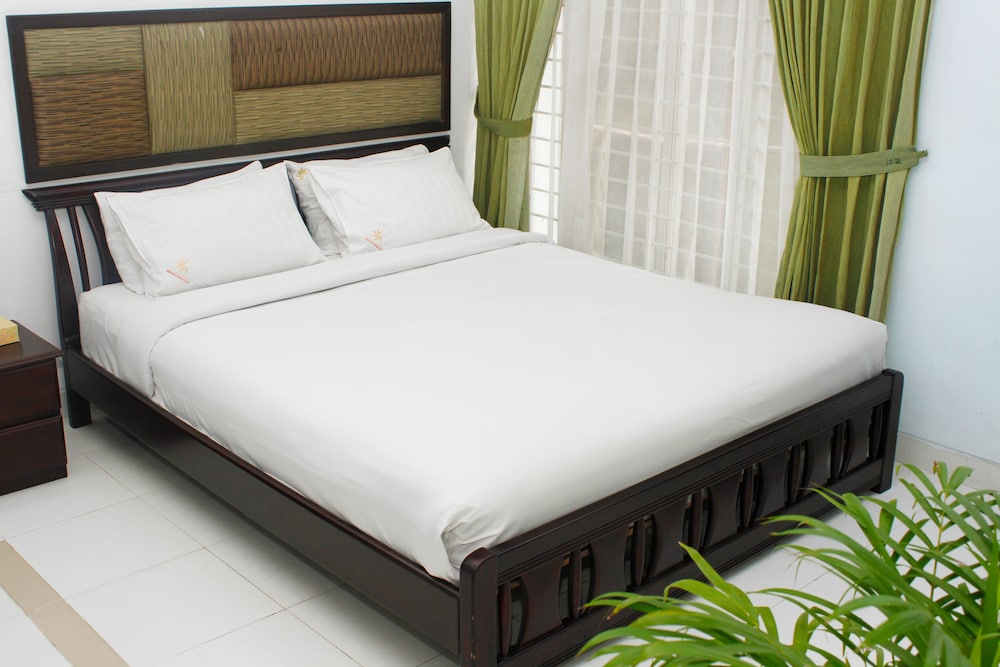
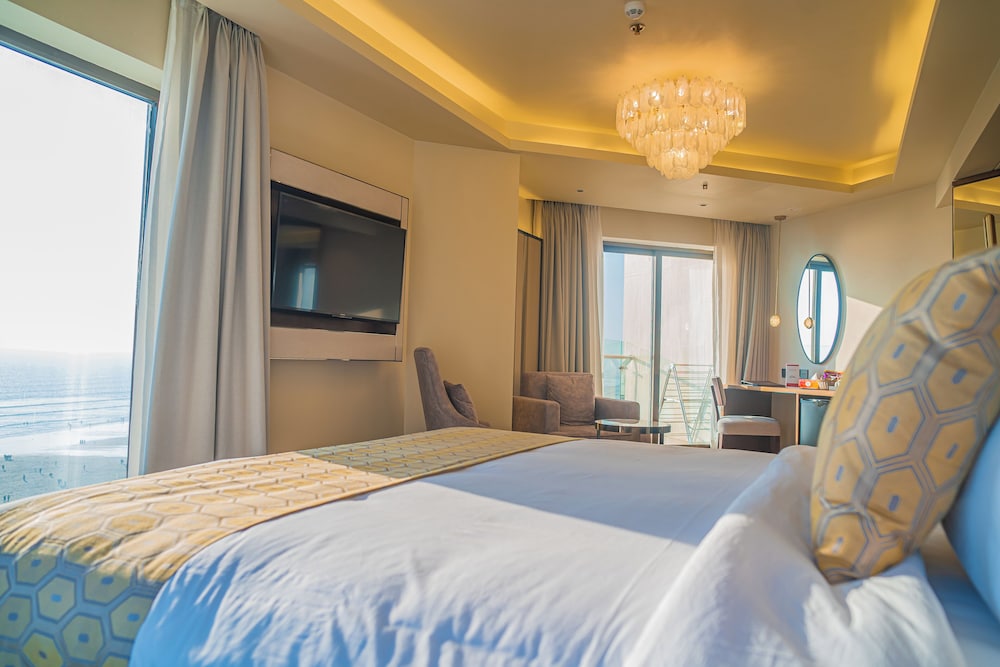
We track too few rooms in Ramu to rank them honestly. The nearest area we cover in depth is Cox’s Bazar Town — these are its live prices.

Getting here and around
Ramu in pictures
Questions about Ramu
What is there to see in Ramu?+
The Aggameda Khyang monastery complex, several smaller temples, and workshops producing bronze, lacquer and handloom textiles. Half a day covers it comfortably.
Can I visit from the beach?+
Easily — it is a 30-minute CNG ride each way, and most people go in the morning and are back on the coast for lunch.
Is it worth sleeping in Ramu?+
Only for the atmosphere. Rooms are basic and the village is quiet after dark, but a monastery-side morning is memorable.