A junction, not a destination
Chakaria exists on a traveller’s map for two reasons: it is where the Chittagong highway meets the roads west to the coast, and it is a jumping-off point for boats towards Moheshkhali. The town itself is markets, transport offices and rice fields.
Rooms are cheap and adequate, and if a late bus leaves you stranded here it is a perfectly fine place to sleep. Otherwise, keep going — the beach is forty minutes south.
What Chakaria is for
Chakaria is an upazila town on the Chittagong to Cox’s Bazar highway about thirty kilometres north of the coast, and it exists on a traveller’s map for its junctions rather than its sights. This is where the highway meets the roads west towards the Magnama ghat and the island crossings, and it is the nearest town to the Dulahazara safari park. The town itself is markets, transport offices, workshops, rice fields and shrimp ghers — a busy, unglamorous, entirely functional place.
The surrounding landscape is more interesting than the town: the Matamuhuri river, extensive salt and shrimp farming on the coastal flats, and the low hills inland. Driving through at dawn, the salt pans and fish ponds catching the light are the best thing on the road between Chittagong and the beach.
Nobody comes here for a holiday, and this guide does not pretend otherwise. It is listed because people get stuck here, pass through here, or want the cheapest bed on the highway.
When staying here makes sense
Three situations justify a night. A late bus from Chittagong that terminates or breaks down here; an early boat west towards Moheshkhali or Kutubdia from the mainland ghats, which is easier from Chakaria than from the coast; and a morning at Dulahazara safari park with small children, where being twenty minutes away rather than an hour helps. Beyond those, keep going: the beach is forty minutes south.
Rooms run $15 to $28 for a simple air-conditioned double near the highway, less with a fan. Standards are plain but generally clean, and the constant through-traffic means somebody is always awake at reception. Ask for a room at the back — highway noise is the main complaint — and check generator cover, since load-shedding is more noticeable here than on the coast.
Food is the town’s quiet strength. The highway restaurants along the main road feed bus passengers all day and all night, which means hot rice, dal, fish, beef curry and paratha are available at almost any hour for 120 to 250 taka — something that is not true in most of the district.
Onward travel from Chakaria
Buses south to Cox’s Bazar leave constantly through the day and cost 80 to 200 taka, taking forty to sixty minutes. North to Chittagong is three to four hours for 200 to 400. CNGs will run you south to the coast for $2 to $6, or west to the ghats for a similar amount, and the drivers congregate around the main junction and the bus counters.
For the islands, local boats towards Moheshkhali and the Kutubdia crossing at Magnama leave from the ghats beyond town, on tide-dependent schedules. Ask locally the evening before rather than relying on any published time. For most visitors the standard route to Moheshkhali remains the ferry from Cox’s Bazar itself; Chakaria is the route for Kutubdia.
One practical note: if you are heading to the safari park by public transport, any Chakaria-bound bus from Cox’s Bazar will drop you at the park gate on the way, so you rarely need to enter the town at all.
Where to book near Chakaria
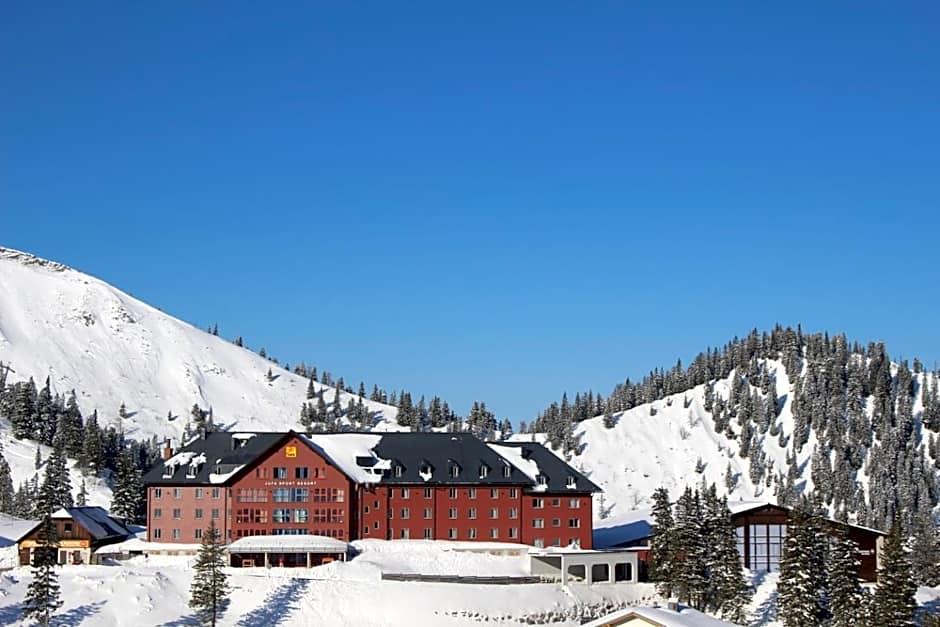
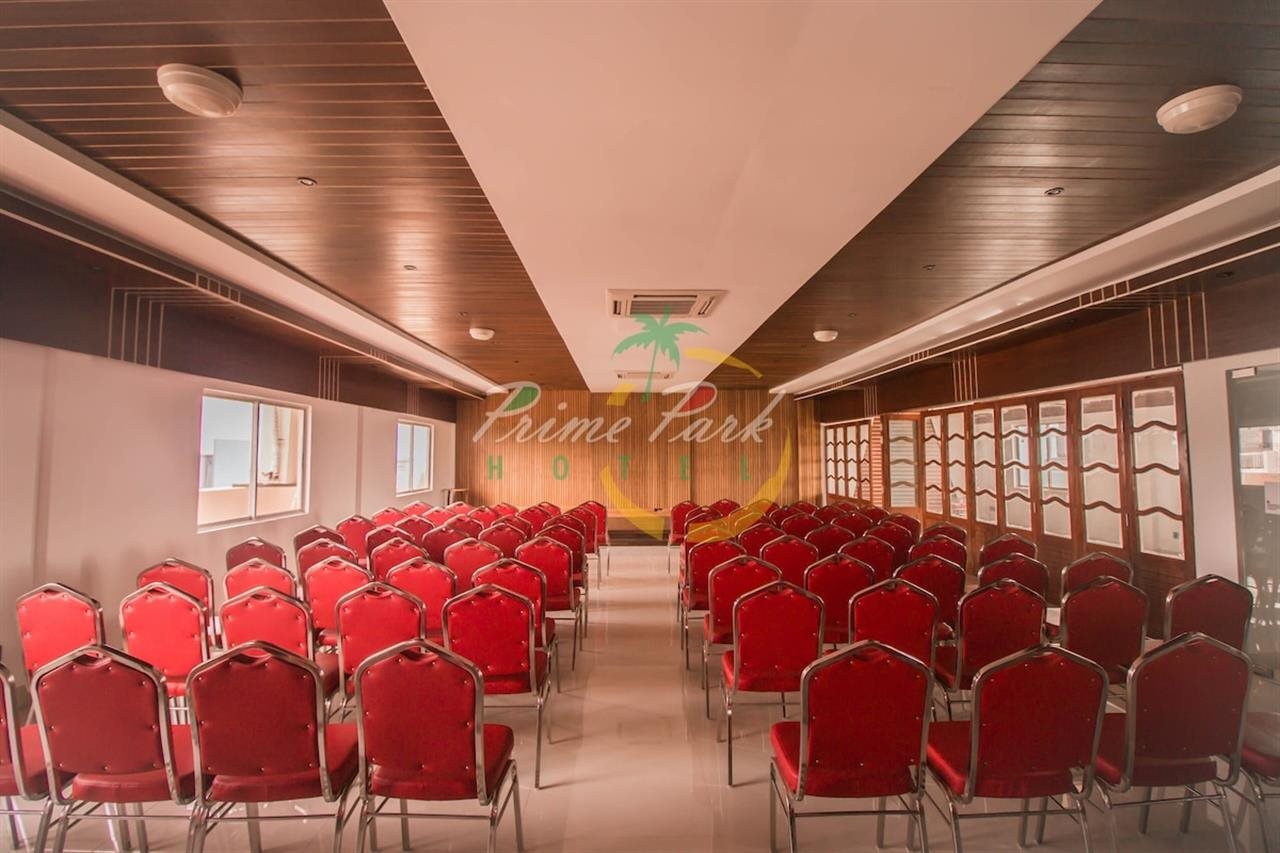
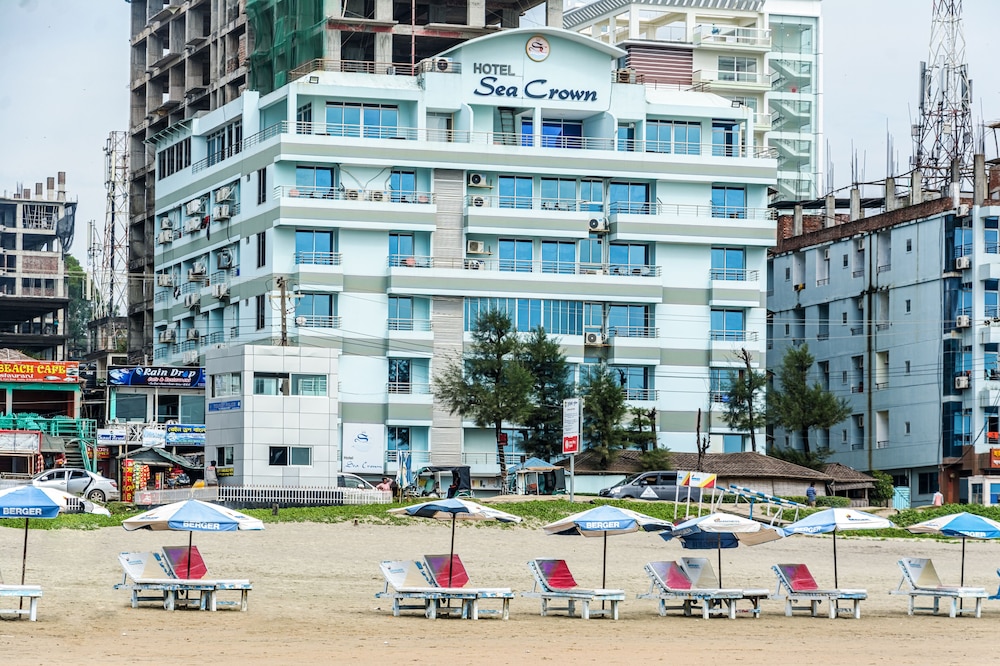
We track too few rooms in Chakaria to rank them honestly. The nearest area we cover in depth is Kolatoli — these are its live prices.
Getting here and around
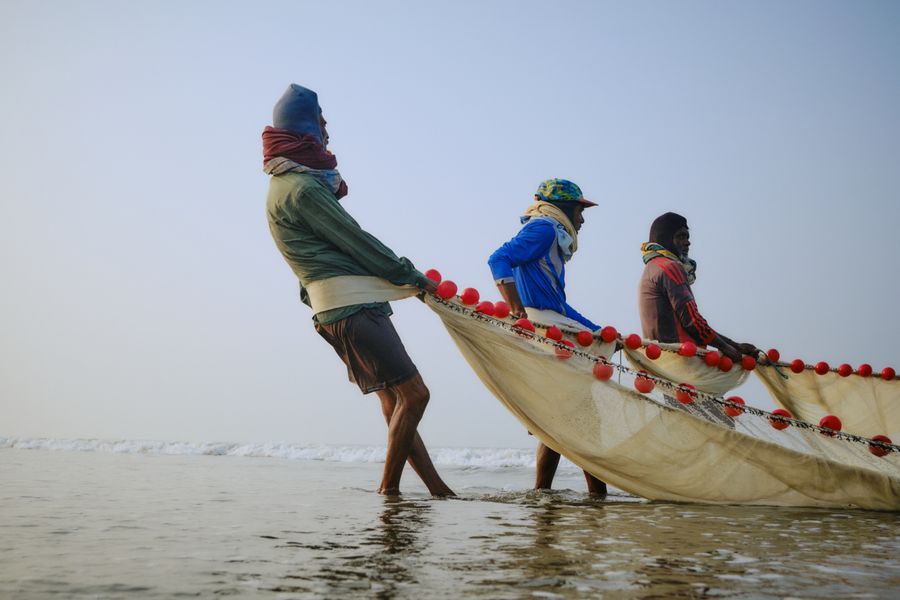
Chakaria in pictures
Questions about Chakaria
Is there any reason to stay in Chakaria?+
Only logistics: a late bus, an early ferry west, or the cheapest highway room in the district.
How far is the beach?+
About forty minutes south by bus or CNG to the Cox’s Bazar strip.
Can I reach Moheshkhali from here?+
Local boats run from the ghats beyond town, though the standard route for visitors is the ferry from Cox’s Bazar itself.