The cheapest bed in the region, and the hardest earned
Kutubdia is the least visited place in this guide, and honestly so. Getting there means a bus to the mainland ghat and then a boat that runs on tide and weather rather than timetable. What waits is a flat, wind-blown island of salt pans, wind turbines, fishing hamlets and a lighthouse, with almost no infrastructure for visitors.
Rooms start around $18 because there is virtually no demand. If total isolation and a working coastline are the point of your trip, this delivers. If you need a restaurant, a pharmacy or a reliable way home, it does not.
Where Kutubdia is, and why so few people go
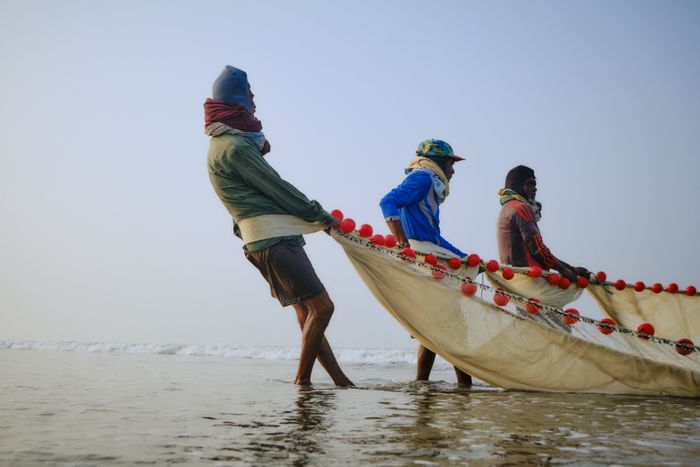
Kutubdia is a low, flat island off the coast north-west of Cox’s Bazar, separated from the mainland by a channel of a few kilometres. Around a hundred and fifty thousand people live on it, working salt pans, shrimp ghers and the fishing grounds. It carries a nineteenth-century lighthouse, one of the country’s early wind farms, long empty beaches on the western shore, and essentially nothing built for visitors.
Getting there is the filter. The route is a bus or CNG north to the Magnama ghat near Chakaria — two to three hours from Cox’s Bazar — then a crowded engine boat or trawler across the channel, which runs on tide, load and weather rather than a timetable. Allow half a day each way and treat any schedule you are given as an aspiration. In the monsoon, from June to September, crossings are cancelled outright in rough seas, sometimes for days.
The island is also one of the most climate-exposed places in Bangladesh. Cyclones have repeatedly breached its embankments, parts of the western shore have eroded into the sea, and salinity has taken farmland out of use. That is visible while you are there, and it is a large part of what makes the visit worthwhile and sobering.
What there is to see
The lighthouse on the west coast is the island’s landmark, standing in and among the eroded shoreline — an old one partly taken by the sea and a newer one behind it. Nearby, rows of wind turbines from the pioneering wind project stand over the salt flats, and the combination of turbines, salt pans and open water is genuinely striking in late light.
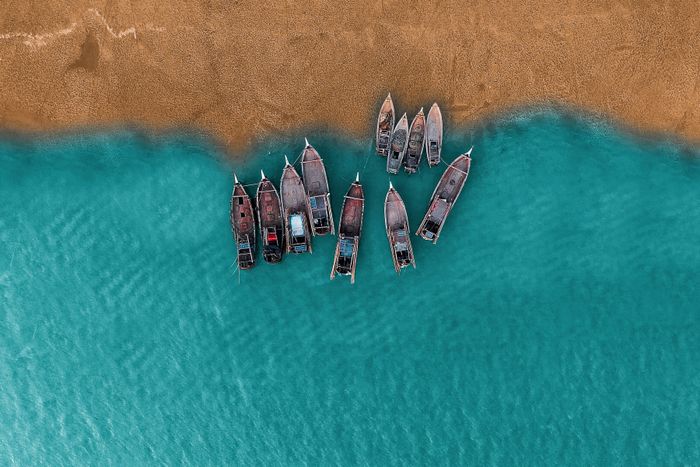
Beyond that: a long, wild, entirely undeveloped western beach with nobody on it; the salt fields, worked by hand in the dry season and one of the best things to watch anywhere in the district; fishing hamlets and boat-building yards along the channel side; and the Kutubdia Para community with its old mosques and shrine. A rickshaw or motorbike taxi covers the whole island in a day for a few hundred taka.
There is no restaurant, no tourist office, no ATM, no pharmacy worth relying on, and no reliable way to leave in a hurry. That is the deal.
Staying, eating and getting back
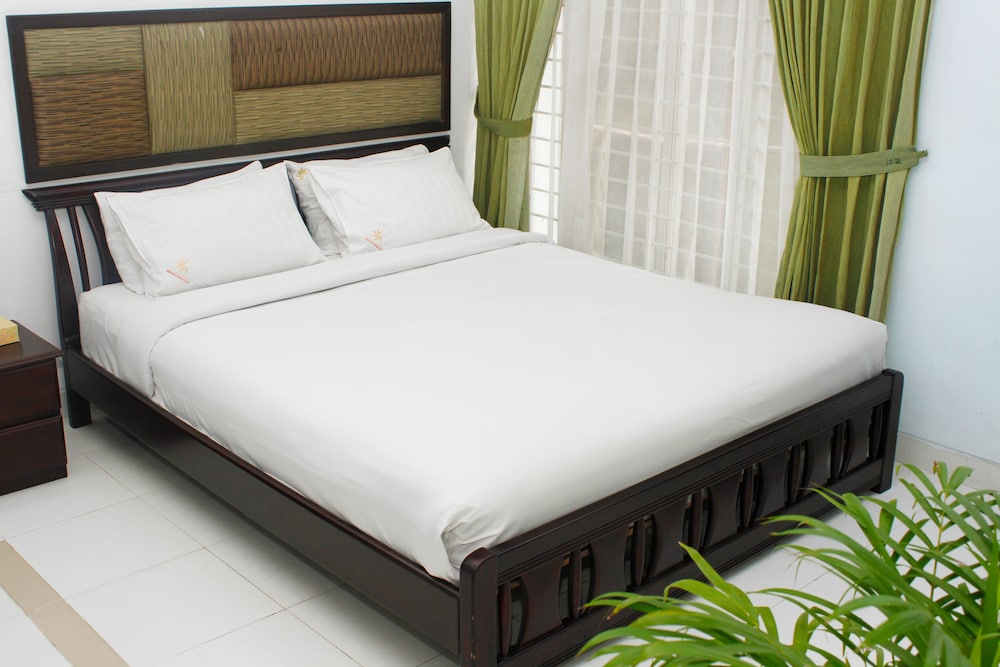
Two very basic guesthouses operate near the ghat and the bazar, from about $18 a night — fan, cold bucket water, intermittent power, thin walls, and a mosquito net you should check for holes. Food comes from small rice-and-fish places at the bazar for 100 to 200 taka, and from tea stalls. Bring water purification or bottled water, snacks, a torch, a power bank, insect repellent, any medication, and cash in small notes.
Plan the return before you commit to the outbound. Ask at the ghat, on arrival, when the last boats run and whether the weather is expected to hold; then build a day of slack into your onward travel. Travellers with fixed flights out of Cox’s Bazar or Chittagong should not attempt this at the end of a trip.
Dress and behave conservatively. This is a rural, religiously observant community that sees almost no foreign visitors; you will be an event. Long clothing, a greeting, and patience with the crowd of curious children go a long way, and the hospitality you get in return is the thing most people remember.
Should you go at all?
Honestly: only if remoteness itself is what you are after, you have at least two spare days, and you are comfortable with informal boat travel and no comfort. For a first trip to Cox’s Bazar, Inani gives you the empty beach and Moheshkhali gives you the island crossing, both without the risk.
For the small number of travellers for whom that is exactly the appeal — photographers, anyone interested in coastal climate adaptation, and people who like arriving somewhere nobody arrives — Kutubdia is the most memorable place in this guide, and the cheapest bed in it.
Where to book near Kutubdia
We track too few rooms in Kutubdia to rank them honestly. The nearest area we cover in depth is Cox’s Bazar Town — these are its live prices.


Getting here and around
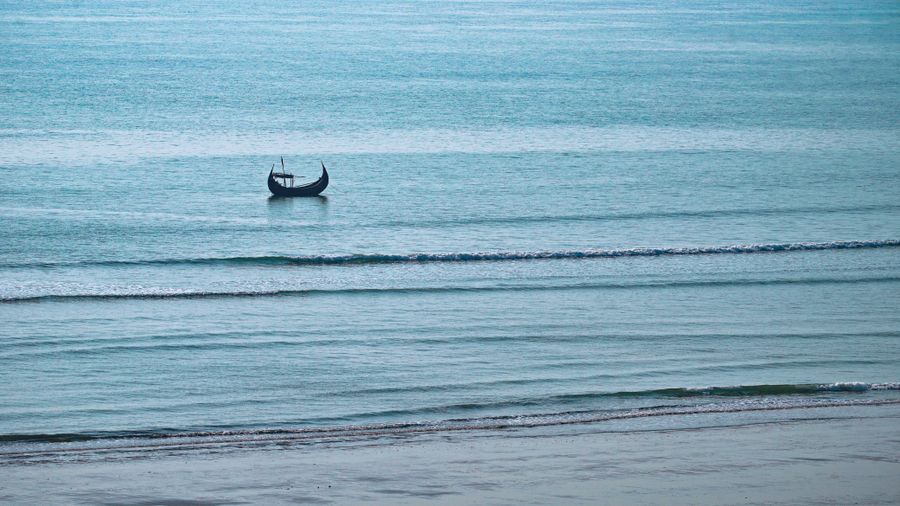
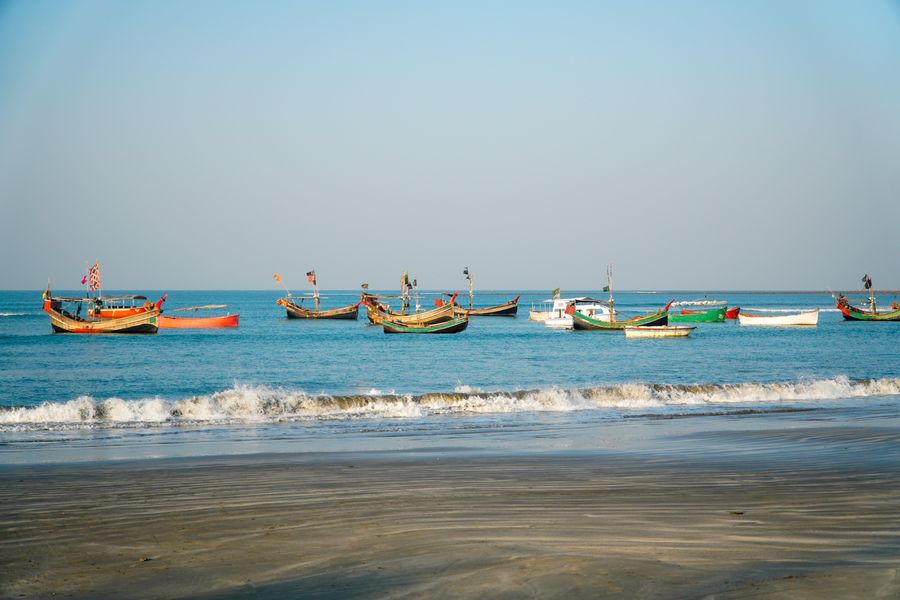
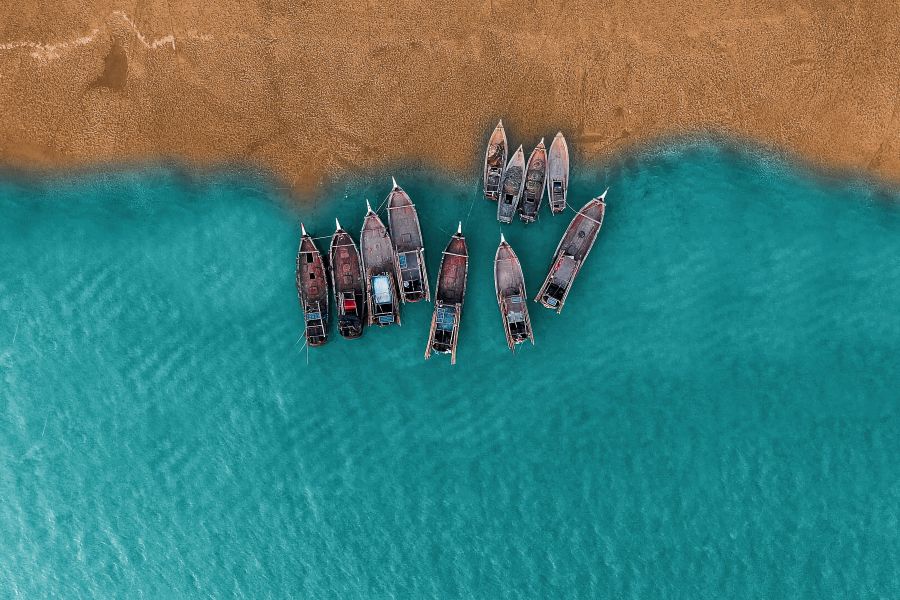
Kutubdia in pictures
Questions about Kutubdia
Is Kutubdia worth visiting?+
Only if remoteness itself is the attraction. There is a lighthouse, wind turbines, salt flats and a fishing community — and almost nothing built for visitors.
How hard is the journey?+
Half a day each way: a bus to the mainland ghat, then a boat that depends on tide and weather. Crossings are often cancelled in the monsoon.
Where would I sleep?+
Two very basic guesthouses. Expect around $18 a night, cold water and intermittent power.