Thirty minutes of water, and a different pace
The ferry to Moheshkhali takes about half an hour and lands you somewhere that feels considerably further from the beach strip than that. The Adinath Temple sits on a wooded hill above the port, reached by a stepped path lined with stalls; below it, salt pans and racks of drying fish stretch along the shore.
Beaches here are muddy rather than sandy — that is not what you come for. A handful of simple guesthouses make an overnight possible, but the island is at its best as a long morning: early ferry out, temple, lunch at the port, afternoon boat back.
The crossing, and what lands you on
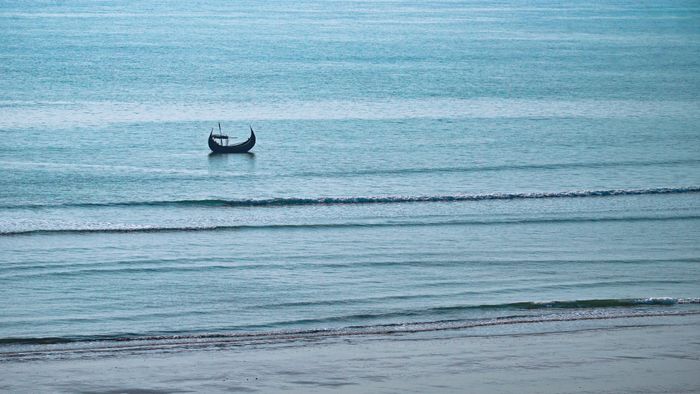
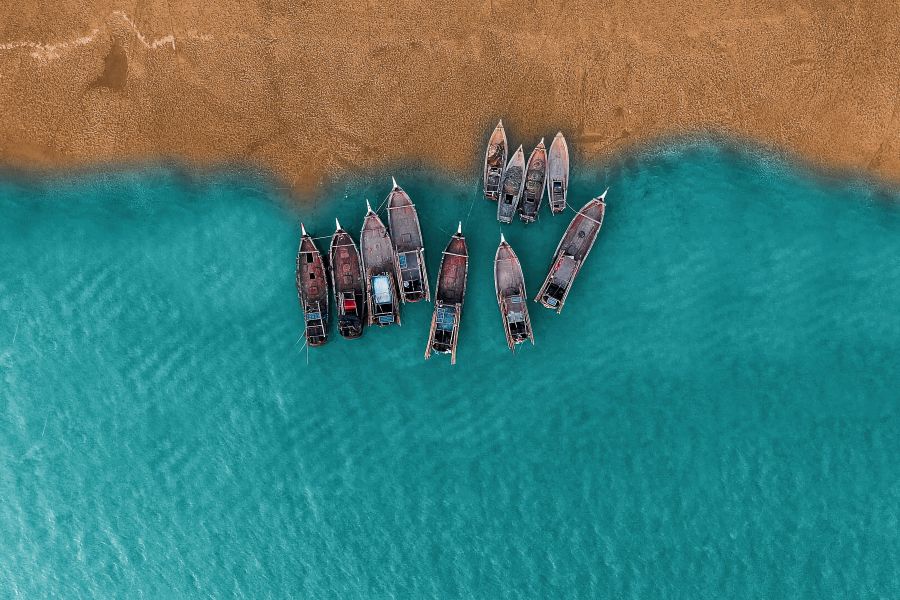
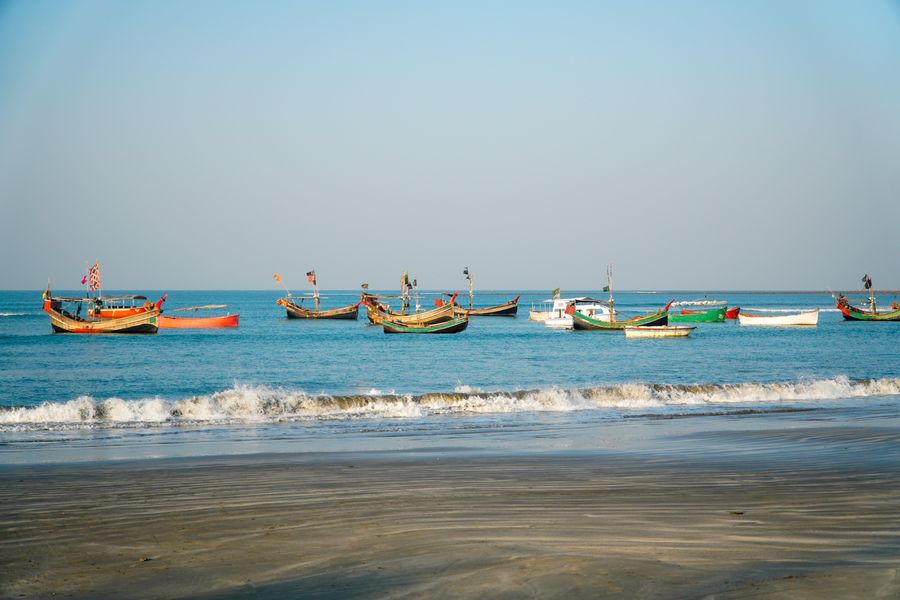
Moheshkhali is a large inhabited island in the bay north-west of Cox’s Bazar, reached by boat from the town jetty in roughly thirty minutes by speedboat or an hour on the slower passenger launch. The crossing is half the experience: past moored trawlers and fish-drying racks, out across open brown water, then into the island channel with the low green hump of Maheshkhali hill ahead. Speedboats leave when full and cost a few dollars; the launch is cheaper, slower, more crowded and considerably more interesting.
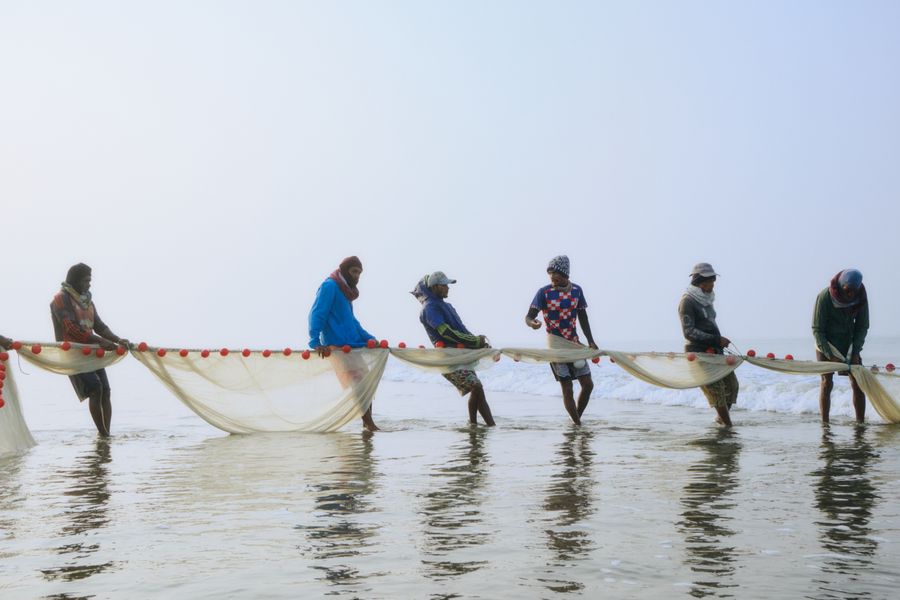
What you arrive at is a working island of about three hundred thousand people — salt pans, shrimp ghers, betel-leaf gardens, fishing hamlets and a busy little port — with one major sight and no tourist infrastructure to speak of. The pace changes the moment you step off the boat, and that contrast with the beach strip is the reason to come.
This is not a beach destination. The shoreline here is mudflat, mangrove and salt pan rather than sand, and swimming is neither pleasant nor sensible. Come for the temple, the working waterfront and the boat ride.
Adinath Temple and the hill above the port
The Adinath temple complex sits on Maheshkhali hill above the port, reached by a long stepped path lined with stalls selling offerings, sweets, shell trinkets and tea. The main shrine is dedicated to Shiva as Adinath and is a genuine pilgrimage site, busiest during the Shiva Chaturdashi festival in February and March, when boats run constantly and the hill fills with pilgrims from across the country. A Buddhist temple and a small mosque stand on the same hill, which is much of the point.
From the top, the view over the salt pans, the channel and the mainland hills is the best on the island. Allow an hour for the climb, the shrine and the view, more if you stop to talk. Shoes off at the shrine, modest clothing, ask before photographing worshippers, and expect to be offered prasad — accepting graciously is the right move.
Around the base of the hill, the stalls sell the island’s two specialities: betel leaf, which grows here in quantity and is regarded as the best in Bangladesh, and dried fish. Both make better souvenirs than they sound, though dried fish in hand luggage is a decision you make only once.
Practicalities: a morning, not an overnight
Take an early boat — the first speedboats leave the Cox’s Bazar jetty from around seven — and confirm the time of the last service back before you go anywhere, because departures thin out through the afternoon and stop altogether at dusk. Being stranded here is a real possibility and a bad outcome. On the island, CNGs and rickshaws wait at the port and will do a temple round trip for 150 to 400 taka, or take you out to the salt pans and the western shore for a little more.
Bring cash in small notes; there is no reliable ATM for visitors and card acceptance is nil. Eat at the port — simple rice, fish and vegetable meals for 150 to 250 taka, and the fish is as fresh as it gets anywhere. Signal is adequate, power is intermittent, and there is nowhere to buy sunscreen or medicine you should be relying on.
Crossings depend on weather. From June to September the bay gets rough and speedboats are cancelled without notice; in the dry season the water is usually flat by mid-morning. If you are prone to seasickness, take the launch rather than the speedboat, and sit near the middle.
If you do stay the night
Five simple guesthouses operate near the port, at $15 to $30 — fans, cold water, intermittent power, and a mosquito net you should use. The argument for a night is a dawn on the hill before the first boats arrive, and an evening at the port when the fleet comes in; both are memorable. The argument against is that everything else about the island is easier as a long morning.
If you do stay, tell your Cox’s Bazar hotel you are coming back the following day rather than checking out, unless you are certain of the boats — losing a room in peak season costs more than the guesthouse saves.
Where to book near Moheshkhali
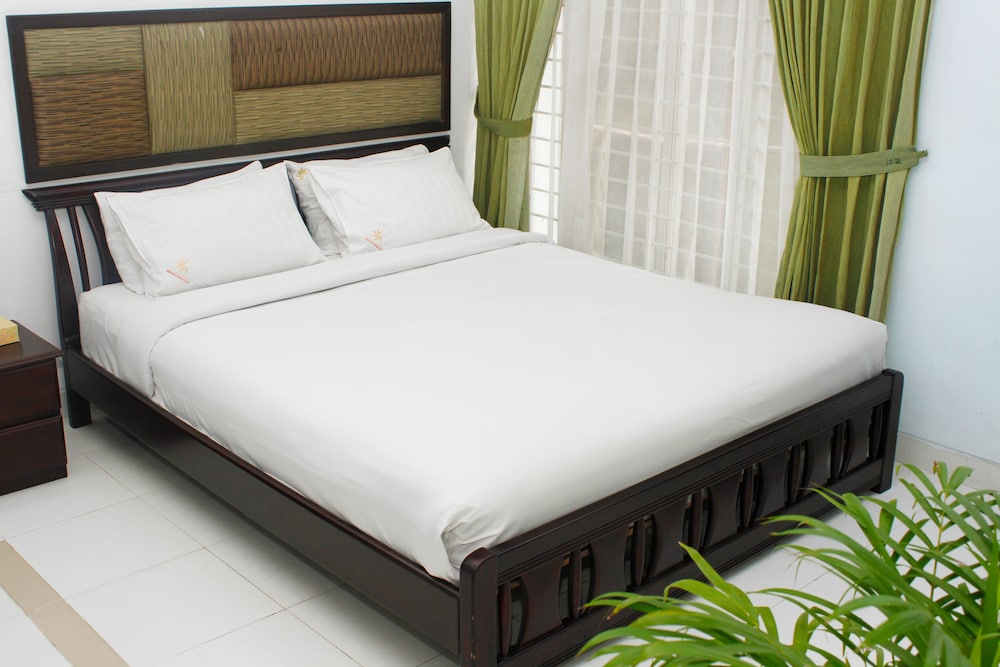
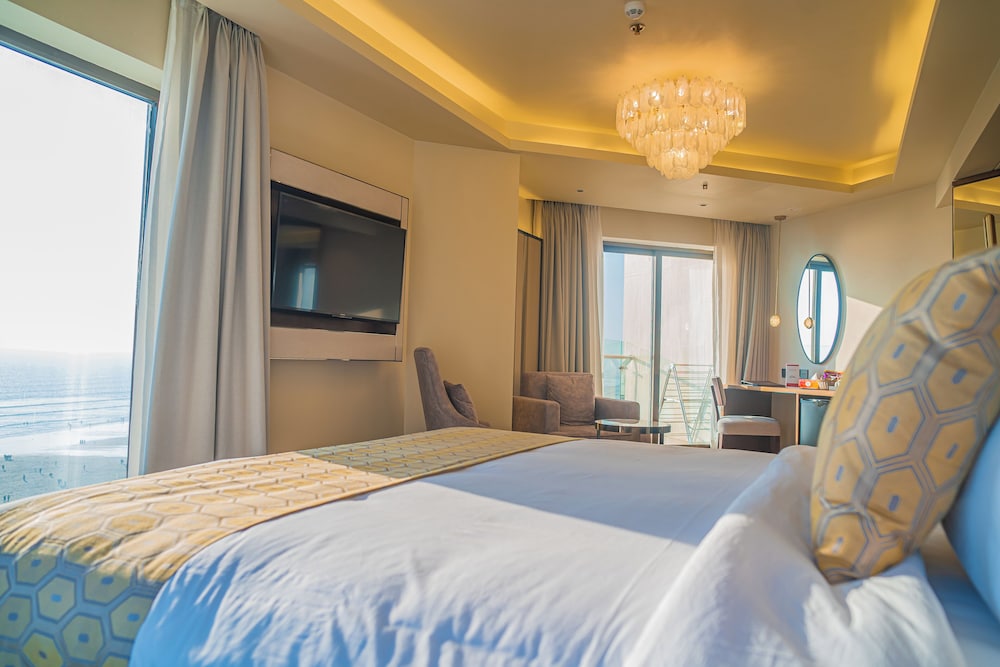
We track too few rooms in Moheshkhali to rank them honestly. The nearest area we cover in depth is Cox’s Bazar Town — these are its live prices.

Getting here and around
Moheshkhali in pictures
Questions about Moheshkhali
How do I get to Moheshkhali?+
Speedboats and a slower passenger launch leave from the Cox’s Bazar jetty through the day; the crossing takes around 30 minutes and costs a few dollars at most.
Is there a beach on the island?+
Not a swimming one. The shoreline is mudflat and salt pan — the draw is the temple, the working waterfront and the ferry itself.
Can I visit in a day?+
Yes, and most people do. Take an early boat, allow three or four hours, and confirm the time of the last service back.